

Pure Extracts are increasingly popular across food, wellness, beauty, and aromatherapy industries. As consumers become more conscious of the ingredients they use, there is a growing demand for extracts that are authentic, natural, and free from unnecessary additives. The challenge is that not every product labeled as “pure” truly meets the expected standards. This guide explains what Pure Extracts are, how they are created, what defines high quality, and how you can confidently select the best options for your needs.
Understanding Pure Extracts
Pure Extracts are concentrated forms of natural botanical ingredients such as herbs, spices, flowers, fruits, and plant materials. They are produced through extraction processes designed to capture a plant’s essential compounds, aroma, flavor, or therapeutic benefits. Pure Extracts are commonly used in cooking, skincare, supplements, and natural health applications. The term “pure” suggests minimal processing, natural composition, clean sourcing, and the absence of synthetic additives. Because labeling laws vary, understanding quality markers is essential for consumers.
Why Choosing High-Quality Pure Extracts Matters
The quality of an extract directly influences its effectiveness, potency, and safety. High-quality Pure Extracts deliver richer flavor, stronger aroma, and greater nutrient or therapeutic benefits. Lower-quality extracts may contain synthetic flavor compounds, harsh chemicals, diluted formulas, or harmful fillers. According to studies from journals such as Food Chemistry, extract quality impacts antioxidant activity and bioactive compound stability, making it important for consumers to understand what separates genuine extracts from inferior alternatives.
How Extraction Methods Affect Quality
Different extraction methods yield different results. Cold press extraction relies on mechanical pressure without using heat, making it ideal for preserving nutrients and aromatic compounds. Steam distillation is frequently used for aromatic plant materials and is known for producing clean extracts without chemical residue. Supercritical CO₂ extraction uses pressurized carbon dioxide, resulting in highly concentrated, exceptionally pure extracts without solvent contamination. Alcohol extraction uses food-grade ethanol to pull beneficial compounds from herbs, roots, and spices. Water extraction is gentle and suitable for teas and delicate botanicals but may produce less potent results. Solvent-based extraction is sometimes used in perfumery but may leave undesirable residues, making it less desirable for consumption.
How to Choose the Highest-Quality Pure Extracts
Selecting the best Pure Extracts requires paying attention to several key factors. The first step is reviewing the ingredient list. High-quality extracts should contain only the active botanical ingredient and a natural extraction medium such as water, alcohol, or CO₂. If the ingredients include artificial colors, synthetic flavors, chemical preservatives, or vague flavoring agents, the product may not be truly pure.
Sourcing transparency is another important factor. Brands that disclose the plant’s geographic origin, farming practices, and whether the product is organic or non-GMO tend to produce higher-quality extracts. This transparency also indicates ethical sourcing and responsible production.
Extraction methods should also be evaluated. CO₂ extraction, steam distillation, and cold pressing generally preserve the highest quality. Products that rely on harsh chemical solvents may compromise purity. Consumers should look for clear descriptions of the extraction process on the product label or brand website.
Purity testing is a significant marker of quality. High-quality brands often provide Certificates of Analysis or third-party test reports showing the extract has been screened for microbial contamination, heavy metals, adulteration, and potency. Reports such as GC-MS analyses are especially important for essential-oil-based extracts and aroma concentrates.
Concentration level also influences value. Some extracts are standardized to ensure consistent potency across batches. Others may be diluted for cost-saving reasons. Genuine Pure Extracts should offer clear strength indications rather than vague descriptions.
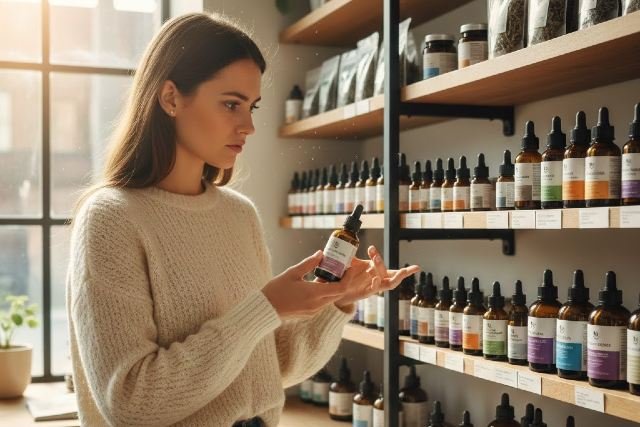
Packaging helps preserve extract quality. Amber or dark glass bottles protect delicate compounds from UV light and oxidation. Plastic bottles or clear containers may degrade extract quality over time and signal cheaper production practices.
Brand reputation is another reliable marker. Well-reviewed, transparent brands known for clean ingredients generally deliver better products. Customer testimonials, lab certifications, and educational content often reflect integrity and product expertise.
Types of Pure Extracts and Their Uses
Pure Extracts appear in several categories. Culinary extracts, such as vanilla, almond, mint, and lemon, are ideal for baking and flavor enhancement. Herbal extracts, including ingredients like turmeric, elderberry, or ashwagandha, are used for wellness and supplements. Essential oil extracts derived from lavender, eucalyptus, or tea tree are popular in aromatherapy and skincare. Cosmetic extracts enrich serums, creams, and toners with natural antioxidants and active plant compounds. In the food and beverage industry, extracts play a role in natural flavoring for drinks, sauces, and confectionery.
High-Quality vs. Low-Quality Extracts: Key Differences
High-quality extracts have clean ingredient lists, validated extraction methods, and reliable testing documents. They provide natural aroma, authentic flavor, and consistent performance. Low-quality extracts often rely on synthetic additives, undisclosed solvents, and artificial fragrances. They may also have weaker flavor or reduced therapeutic value due to dilution or poor sourcing.
Example: How to Evaluate Pure Vanilla Extract
Consider two brands of Pure Vanilla Extract. One contains only vanilla beans, alcohol, and water, is packaged in a dark glass bottle, and includes third-party test results. The other contains artificial vanillin, propylene glycol, and preservatives, packaged in a plastic bottle with no transparency. The first option is clearly high quality because it aligns with purity standards, clean extraction, and trustworthy packaging.
Frequently Asked Questions
What does “pure” mean on an extract label?
It means the product contains only natural plant-based ingredients and does not include synthetic additives, flavor enhancers, or unnecessary chemicals.
Are Pure Extracts safer to use?
Pure Extracts made from natural ingredients and tested for contaminants are generally safer and more reliable than artificial alternatives.
Can Pure Extracts be used in cooking?
Yes. Many Pure Extracts are made specifically for culinary use and enhance the flavor and aroma of recipes.
Is organic better?
Organic extracts reduce the likelihood of pesticide contamination and often have higher-quality sourcing.
How do I know if an extract is authentic?
Authenticity is best confirmed through transparent ingredient lists, lab testing results, and reputable brand practices.
Conclusion: Choosing the Best Pure Extracts with Confidence
Choosing the highest-quality Pure Extracts becomes far easier once you understand how to evaluate ingredients, extraction methods, purity testing, packaging, sourcing, and brand reputation. The best Pure Extracts are clean, potent, authentic, and produced using methods that preserve the plant’s natural integrity. By applying the insights from this guide, you can confidently select extracts that offer true value, safety, and effectiveness — whether you use them in cooking, skincare, aromatherapy, or wellness routines.