


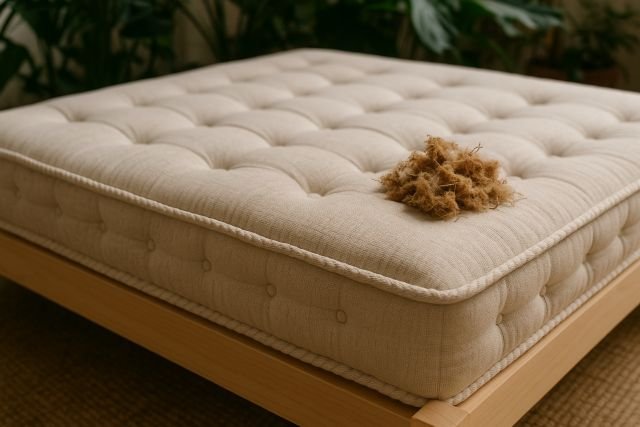
A Natural Mattress has become one of the most trusted investments for individuals seeking a healthier, cleaner, and more restorative sleeping environment. Within the first hundred words of this article, it’s essential to understand that a Natural Mattress is more than just a bedding choice — it represents a shift toward toxin-free living, improved indoor air quality, and long-term well-being. As more families look for eco-friendly and health-conscious home solutions, the Natural Mattress continues to gain popularity for its comfort, durability, and sustainable materials. This guide explores why it stands out as the healthiest sleep choice for your home and how it compares to conventional bedding options.
- What Is a Natural Mattress and Why Does It Matter?
- Health Benefits of Sleeping on a Natural Mattress
- Why a Natural Mattress Supports Better Sleep Quality
- Natural Mattress Materials and Their Unique Benefits
- Natural Mattress vs. Traditional Mattress: A Clear Comparison
- How a Natural Mattress Promotes a Cleaner Home Environment
- Real-Life Example: How One Family Transformed Their Sleep Health
- Are Natural Mattresses Eco-Friendly?
- Frequently Asked Questions About Natural Mattresses
- Conclusion: Why a Natural Mattress Is the Healthiest Sleep Choice for Your Home
What Is a Natural Mattress and Why Does It Matter?
A Natural Mattress is made from materials sourced directly from nature — such as organic latex, cotton, wool, and plant-based fibers — without the synthetic foams, flame retardants, and chemical adhesives commonly found in conventional mattresses. This matters because traditional mattresses often release volatile organic compounds (VOCs), which can affect indoor air quality and contribute to headaches, allergies, and respiratory irritation. The Environmental Protection Agency (EPA) notes that indoor air can be two to five times more polluted than outdoor air, largely due to chemical-based household products (source: epa.gov).
Choosing a Natural Mattress helps reduce exposure to synthetic chemicals and supports a cleaner home environment. Its materials are biodegradable and renewable, making it an excellent choice for anyone prioritizing sustainability and long-term health.
Health Benefits of Sleeping on a Natural Mattress
Sleeping on a Natural Mattress provides several scientifically supported health advantages. Organic materials naturally resist dust mites, mold, and bacteria, making them ideal for individuals with asthma or allergies. A study published in the Journal of Allergy and Clinical Immunology found that dust mites thrive in synthetic materials but struggle to survive in natural wool bedding due to its temperature-regulating properties.
Another key benefit is reduced chemical exposure. Synthetic foam mattresses can contain polyurethane and flame retardants linked to respiratory irritation. In contrast, Natural Mattresses often use wool as a natural flame barrier, eliminating the need for toxins. This allows you to sleep in an environment free from harmful off-gassing.
Additionally, natural latex offers exceptional orthopedic support. Its structure adapts to your body shape, reducing pressure on joints and supporting spinal alignment. Many chiropractors recommend natural latex for individuals experiencing chronic back or neck pain.
Why a Natural Mattress Supports Better Sleep Quality
A Natural Mattress enhances overall sleep quality by regulating temperature more effectively than synthetic mattresses. Wool and cotton are naturally breathable, helping your body maintain a consistent temperature throughout the night. Sleep Foundation research indicates that maintaining optimal body temperature is crucial for deep, uninterrupted sleep (source: sleepfoundation.org).
The responsive nature of natural latex also minimizes motion transfer. Couples share fewer disturbances when one partner moves or changes position. This results in a deeper, more restorative sleep cycle.
Natural Mattresses also tend to last longer. Organic latex can maintain its shape and support for up to twenty years, outlasting most memory foam mattresses. This durability ensures consistent comfort without sagging or deterioration.
Natural Mattress Materials and Their Unique Benefits
Natural Mattresses are composed of premium materials that each contribute to comfort, health, and sustainability. Organic latex comes from rubber trees and undergoes a meticulous process to maintain its purity. It is hypoallergenic, breathable, and resilient. Wool is naturally flame-resistant and regulates moisture while discouraging dust mites. Organic cotton offers softness, breathability, and toxin-free comfort.
These materials create a sleeping environment free from microplastics, petroleum-based foams, and industrial adhesives. They help reduce carbon footprint and support global sustainability initiatives. For eco-conscious consumers, this mattress type aligns perfectly with a greener lifestyle.
Natural Mattress vs. Traditional Mattress: A Clear Comparison
When choosing between a Natural Mattress and a traditional mattress, the differences extend far beyond the materials. Traditional mattresses typically use polyurethane foam, synthetic fibers, and chemical flame retardants. These substances can emit VOCs for months, if not years.
A Natural Mattress, however, contains materials certified by organizations such as GOTS (Global Organic Textile Standard) or GOLS (Global Organic Latex Standard). These certifications ensure purity, ethical sourcing, and environmental responsibility. While traditional mattresses may offer a lower upfront cost, Natural Mattresses provide better long-term value due to durability, reduced allergens, and improved sleep quality.
Moreover, traditional mattresses often sag quicker, leading to discomfort and poor spinal alignment. Natural latex maintains structural integrity for decades, supporting healthy posture throughout the night.
How a Natural Mattress Promotes a Cleaner Home Environment
A Natural Mattress plays a significant role in improving overall home wellness. Indoor air pollutants from synthetic bedding can accumulate, especially in small bedrooms. Natural Mattresses reduce airborne toxins and improve indoor air quality, particularly important for babies, older adults, and individuals with autoimmune sensitivities.
Natural materials also resist moisture accumulation, reducing the chance of mold — one of the most common indoor allergens. By choosing a Natural Mattress, you contribute to a healthier home ecosystem.
Real-Life Example: How One Family Transformed Their Sleep Health
Consider a family who recently transitioned from a synthetic memory foam mattress to a Natural Mattress after their child developed persistent allergies. Within weeks, they noticed fewer nighttime coughs, improved breathing, and deeper sleep patterns. After tracking environmental changes with an indoor air quality monitor, they found their room had significantly fewer airborne VOCs. This simple switch helped transform not only their sleep environment but also their overall wellness.
This scenario exemplifies how choosing a Natural Mattress can generate real, measurable benefits for families seeking healthier living spaces.
Are Natural Mattresses Eco-Friendly?
A Natural Mattress is one of the most eco-friendly bedding choices available today. Latex trees absorb carbon dioxide throughout their lifespan, making latex harvesting environmentally beneficial. Wool is renewable and biodegradable. Organic cotton farming uses significantly less water and eliminates pesticide exposure.
The Sustainable Furnishings Council reports that sustainable bedding materials help reduce global carbon emissions and prevent environmental degradation. This makes Natural Mattresses an ideal choice for consumers wanting to minimize their ecological footprint without sacrificing comfort.
Frequently Asked Questions About Natural Mattresses
What is a Natural Mattress made of?
A Natural Mattress is made from organic latex, wool, cotton, or plant-based fibers without synthetic foams or chemicals.
Are Natural Mattresses good for back pain?
Yes. Natural latex provides excellent orthopedic support and helps maintain proper spinal alignment, reducing back pain.
Do Natural Mattresses last long?
They can last up to 15–20 years due to their durable, high-density natural latex and resilient materials.
Are Natural Mattresses expensive?
They may cost more upfront, but their durability, health benefits, and longevity offer better overall value.
Conclusion: Why a Natural Mattress Is the Healthiest Sleep Choice for Your Home
In conclusion, a Natural Mattress offers unparalleled comfort, health benefits, and sustainability compared to traditional bedding. It improves indoor air quality, supports spinal health, regulates temperature, and eliminates exposure to harmful chemicals. As people seek cleaner and healthier living environments, Natural Mattresses continue to stand out as the smartest long-term investment for families and individuals alike. Choosing a Natural Mattress means choosing better sleep, better health, and a better future for your home.