


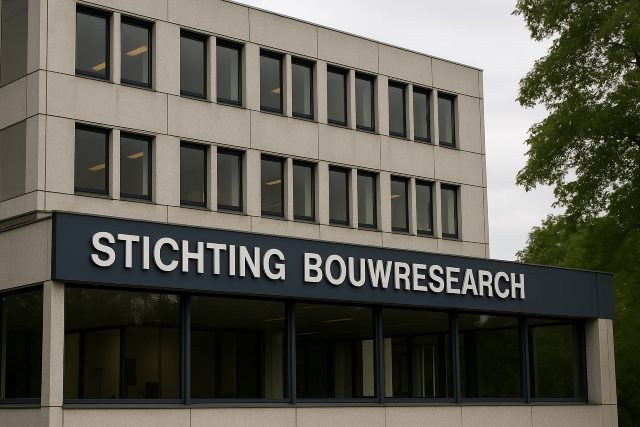
Stichting Bouwresearch has played a crucial role in shaping the modern construction landscape through research, innovation, and evidence-based building standards. Within the first hundred words, it’s important to understand that Stichting Bouwresearch is more than a historical research foundation — it represents a legacy of structural improvement, safety advancements, and forward-thinking development across the Dutch construction sector. As today’s building environment evolves with sustainability, digital transformation, and performance efficiency, the work formerly carried out by Stichting Bouwresearch continues to influence architects, engineers, and policymakers.
- What Is Stichting Bouwresearch and Why Does It Matter Today?
- The Historical Impact of Stichting Bouwresearch on the Construction Industry
- How Stichting Bouwresearch Influenced Modern Building Standards
- Stichting Bouwresearch and Sustainability in Construction
- Case Study: Applying SBR Principles in Modern Construction Projects
- Digital Transformation and the Legacy of Stichting Bouwresearch
- Why Stichting Bouwresearch Remains Relevant for Today’s Professionals
- Frequently Asked Questions About Stichting Bouwresearch
- Conclusion: Why Stichting Bouwresearch Still Shapes Modern Construction
What Is Stichting Bouwresearch and Why Does It Matter Today?
Stichting Bouwresearch, often referred to as SBR, was a Dutch research foundation responsible for developing knowledge, guidelines, and technical solutions for the construction industry. Although organizational structures in the sector have changed over time, the methodologies and research pioneered by Stichting Bouwresearch remain foundational in modern construction practices.
Its work influenced structural safety, building performance, material standards, and sustainable design. Many of today’s technical guidelines used by builders and engineers can be traced back to SBR’s early research initiatives. This ongoing relevance makes Stichting Bouwresearch an important reference point for anyone seeking to understand how construction best practices evolved.
The Historical Impact of Stichting Bouwresearch on the Construction Industry
For decades, Stichting Bouwresearch encouraged cooperation between contractors, engineers, manufacturers, and academic institutions. Its goal was to solve real-world construction challenges through independent research. Reports published under SBR helped identify failure mechanisms in buildings, reduce construction defects, and improve lifecycle performance.
One of the organization’s core missions was to support knowledge sharing. According to Delft University of Technology, research collaboration significantly improves construction innovation and technical adoption across the sector (source: tudelft.nl). Stichting Bouwresearch played a central role in facilitating such collaboration long before digital knowledge networks became common.
How Stichting Bouwresearch Influenced Modern Building Standards
Many modern building codes and technical guidelines stem from SBR publications. These include recommendations for structural stability, façade systems, insulation methods, and moisture control. Builders relied on SBR’s technical reports to navigate complex construction dilemmas, ensuring safer and more reliable structures.
The emphasis on methodical testing and scientific evaluation allowed SBR to set benchmarks for performance. Its influence is still seen in contemporary directives such as energy-efficiency requirements, material durability testing, and construction safety protocols.
Stichting Bouwresearch and Sustainability in Construction
Even before sustainability became a global priority, Stichting Bouwresearch recognized the importance of environmentally responsible building. The foundation conducted studies on energy-saving construction techniques, efficient material use, and long-term building maintenance. These early insights laid the groundwork for today’s green building standards.
A study by the World Green Building Council states that sustainable construction can reduce CO₂ emissions by up to forty percent (source: worldgbc.org). Stichting Bouwresearch was ahead of its time in encouraging approaches that minimized environmental impact while promoting structural efficiency.
Case Study: Applying SBR Principles in Modern Construction Projects
Consider a renovation firm working on a mid-century apartment block. Using archived SBR moisture control guidelines, the team identified outdated insulation methods contributing to condensation issues. By applying modern solutions derived from SBR principles — such as vapor-resistant barriers and proper ventilation mechanics — they transformed the building into a healthier, energy-efficient living space.
This example highlights how Stichting Bouwresearch continues to influence practical decision-making, even long after its original publications.
Digital Transformation and the Legacy of Stichting Bouwresearch
Today’s construction industry is driven by BIM software, 3D modeling, and data-driven design. While Stichting Bouwresearch existed before these technologies, its structured, analytical approach to problem-solving aligns naturally with modern digital workflows. Its legacy helps architects and engineers think methodically about risk assessment, structural behavior, and performance optimization.
Additionally, many SBR guidelines have been digitized, making them accessible for integration into modern planning tools. This ensures that foundational knowledge continues to support digital construction strategies.
Why Stichting Bouwresearch Remains Relevant for Today’s Professionals
Educators, architects, contractors, and policymakers still reference SBR materials because of their technical accuracy and real-world applicability. The organization’s influence is visible in:
Building inspections
Energy performance assessments
Facade engineering
Moisture and ventilation design
Material selection and durability planning
Even with ongoing advancements, the construction industry still relies on timeless principles established by Stichting Bouwresearch to maintain safety, efficiency, and quality.
Frequently Asked Questions About Stichting Bouwresearch
What was Stichting Bouwresearch?
A Dutch research foundation specializing in construction technology, technical guidelines, and industry knowledge development.
Is the research from SBR still used today?
Yes. Many technical standards, building codes, and engineering procedures originate from SBR’s extensive research publications.
How does Stichting Bouwresearch influence modern construction?
Through guidelines on structural safety, energy efficiency, material performance, and sustainable building practices.
Where can professionals access SBR-related research?
Many archived documents are maintained through Dutch construction bodies, universities, and technical guideline platforms.
Conclusion: Why Stichting Bouwresearch Still Shapes Modern Construction
In conclusion, Stichting Bouwresearch remains a cornerstone of modern construction knowledge. Its research shaped standards that continue to guide architects, builders, and engineers. From sustainability to structural safety, SBR’s influence is woven into nearly every aspect of contemporary building practices. Whether you are improving a residential property or designing a commercial structure, the principles rooted in Stichting Bouwresearch offer valuable, reliable direction. Understanding its role helps ensure that today’s construction remains safe, efficient, and forward-thinking.