

The world of Japanese tea continues to expand as more people discover unique varieties like Bin Matcha, a term often used to describe finely milled matcha stored, preserved, or packaged in bins or airtight containers. Within the first 100 words, it’s clear that Bin Matcha represents both a category of matcha and a method of preserving its freshness, aroma, and ceremonial quality. As global matcha consumption rises, more tea enthusiasts are searching for high-quality, sustainably produced matcha that delivers authentic flavor and nutritional benefits.
- A Tradition Rooted in Japanese Tea Culture
- Matcha Production Regions and Their Influence
- Use Fresh, Well-Stored Matcha
- Select the Right Water Temperature
- Sift Before Mixing
- Choose the Correct Tools
- Use the Correct Technique
- Look for Vibrant Green Color
- Check Aroma and Texture
- Consider Harvest Timing
- Review Packaging Integrity
- Matcha Lattes and Beverages
- Culinary Applications
- Mindfulness and Ritual
This guide explores the origins of Bin Matcha, its cultural relevance, preparation methods, expert brewing insights, and how to recognize premium-quality matcha.
What Is Bin Matcha?
Bin Matcha generally refers to high-grade matcha that is sealed in bins, canisters, or airtight containers to protect its delicate flavor and vibrant color. The term can also be used to describe matcha that has undergone traditional grinding and is stored in controlled environments to preserve freshness.
Matcha is a powdered Japanese green tea made from stone-ground Tencha leaves. Because matcha rapidly deteriorates when exposed to oxygen, humidity, or heat, storing it in specialized bins became a tradition to maintain quality.
This storage tradition aligns with tea preservation techniques documented by Japan’s Ministry of Agriculture, which emphasizes airtight protection as essential for preventing oxidation and nutrient loss.
Origins of Bin Matcha
A Tradition Rooted in Japanese Tea Culture
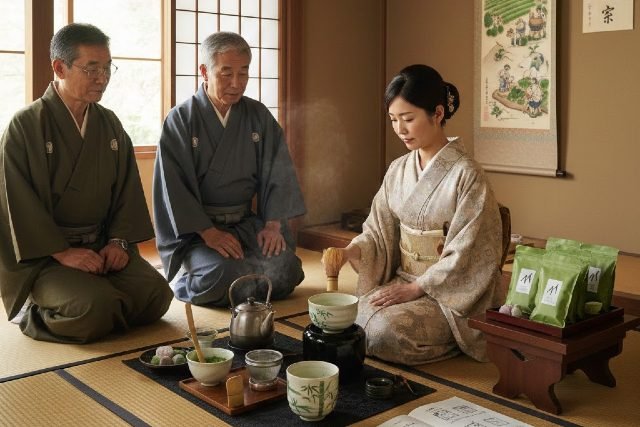
Matcha originated in Japan during the Heian and Kamakura periods, influenced by Zen monks who valued powdered green tea for meditation. The modern concept of “Bin Matcha” stems from traditional storage methods used in tea ceremonies, where premium matcha was stored in skilled potter-crafted containers known as Natsume or Chaki.
As matcha production grew globally, manufacturers began packaging matcha in airtight metal bins, glass jars, or UV-protected containers to preserve the same ceremonial qualities.
Matcha Production Regions and Their Influence
High-quality Bin Matcha typically comes from well-known matcha regions such as Uji, Shizuoka, and Nishio. These regions produce Tencha leaves cultivated under shade, enhancing chlorophyll concentration and rich umami flavor.
Shade-growing boosts amino acids such as L-theanine, contributing to matcha’s smooth sweetness — a fact supported by tea physiology research from Kyoto University.
Bin Matcha Preparation Tips: How to Get the Best Flavor
Use Fresh, Well-Stored Matcha
The entire purpose of Bin Matcha is to retain freshness. Always use matcha from an airtight container and avoid leaving it open. Matcha that has oxidized turns dull green or brown and loses its signature flavor.
Select the Right Water Temperature
Water between 70–80°C (158–176°F) is ideal. Using boiling water can scorch the delicate tea powder, resulting in bitterness. The right temperature brings out the natural sweetness and creamy texture of ceremonial-grade Bin Matcha.
Research from the University of Shizuoka shows that catechin and amino acid release varies significantly based on water temperature, influencing flavor balance.
Sift Before Mixing
Experts always sift matcha before whisking to break up clumps formed by static or compressed powder. This improves texture, whisking efficiency, and final foam quality.
Choose the Correct Tools
Traditional preparation uses a bamboo whisk (chasen), tea scoop (chashaku), and matcha bowl (chawan). These tools allow air to incorporate evenly into the tea, creating a silky froth.
Use the Correct Technique
Mix matcha using fast, M-shaped motions rather than circular stirring. This creates micro-foam and enhances mouthfeel. Many tea ceremony teachers emphasize wrist movement over arm strength for better control.
Expert Insights on Choosing Quality Bin Matcha
Look for Vibrant Green Color
High-quality Bin Matcha has a bright, electric green color due to abundant chlorophyll. Dull or yellowish tones indicate lower-grade matcha or improper storage.
Check Aroma and Texture
Fresh matcha has a sweet, grassy aroma with a smooth, silky texture. Grainy or sandy powder often signals poor grinding or stale leaves.
Consider Harvest Timing
First-harvest matcha (Ichibancha) provides the highest quality. These early spring leaves offer exceptional sweetness and low bitterness.
Review Packaging Integrity
Premium Bin Matcha should come in airtight, opaque, or UV-protected containers. Exposure to light reduces the catechin content and degrades color.
Uses of Bin Matcha Beyond Traditional Tea
Matcha Lattes and Beverages
While ceremonial matcha is typically consumed on its own, many people enjoy Bin Matcha in lattes, smoothies, and wellness drinks. Using high-quality matcha enhances the flavor and nutritional value.
Culinary Applications
Bin Matcha can be used in desserts, baked goods, and specialty foods. Its vibrant color makes it ideal for pastries, ice creams, and modern fusion dishes.
Mindfulness and Ritual
Tea preparation is deeply connected to mindfulness. Preparing Bin Matcha slowly and intentionally mirrors the traditional chanoyu tea ceremony, enhancing mental clarity and relaxation.
Case Study: How a Café Uses Bin Matcha for Premium Drinks
A specialty café introduced Bin Matcha lattes using matcha stored in nitrogen-flushed tins. Customers noticed improved flavor, brighter color, and smoother texture. The café integrated intentional preparation techniques inspired by Japanese tea ceremonies, which created a unique brand identity and significantly increased matcha drink sales.
This example highlights how proper storage and authentic preparation can elevate matcha quality in commercial settings.
Frequently Asked Questions (FAQ)
1. What makes Bin Matcha different from regular matcha?
Bin Matcha emphasizes freshness through airtight, protective storage, preserving color and flavor more effectively.
2. How long does Bin Matcha stay fresh?
When kept airtight and refrigerated, matcha generally stays fresh for 1–2 months after opening.
3. Can beginners prepare Bin Matcha easily?
Yes. With proper tools and temperature control, even beginners can achieve excellent results.
4. Is Bin Matcha good for health?
Matcha contains antioxidants, L-theanine, and chlorophyll, which support energy, focus, and overall wellness.
5. Can Bin Matcha be used in cooking?
Absolutely. Many chefs use it in desserts, pastries, drinks, and fusion recipes.
Conclusion: Why Bin Matcha Deserves a Place in Your Tea Ritual
In conclusion, Bin Matcha offers exceptional freshness, rich flavor, and cultural authenticity, making it a favorite for both tea enthusiasts and beginners. In the conclusion, repeating the keyword reinforces its importance. Whether used for traditional tea ceremonies, modern lattes, or culinary creations, Bin Matcha stands out due to its protected storage, vivid color, and smooth, aromatic taste.
By understanding its origins, choosing high-quality varieties, and mastering proper preparation techniques, you can elevate your tea experience and enjoy matcha as it was meant to be savored—fresh, vibrant, and full of character.