


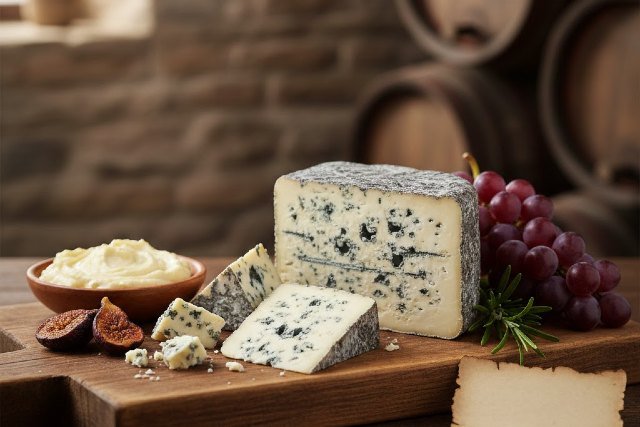
The world of artisanal cheese is filled with memorable aromas, textures, and stories, yet few varieties inspire as much curiosity as Masgonzola. In the first hundred words, it’s important to understand that Masgonzola is more than just a dairy product; it is a rich blend of craftsmanship, heritage, and culinary creativity. While some confuse it with more famous cheeses like Gorgonzola or Mascarpone, Masgonzola has slowly developed its own identity in the gourmet food scene. Chefs, food historians, and cheese enthusiasts continue to explore its evolving flavors, regional variations, and hidden traditions.
- What Is Masgonzola? Understanding Its Identity and Origin
- The Flavor Profile of Masgonzola: Creamy, Tangy, and Unexpectedly Complex
- How Masgonzola Is Made: Traditional Craft Meets Modern Technique
- Masgonzola vs. Gorgonzola: Similar Name, Different Experience
- Culinary Uses: How Chefs Bring Masgonzola to Life
- Regional Variations: How Geography Shapes Masgonzola’s Personality
- Is Masgonzola a Protected Cheese? Understanding Its Legal Status
- Health and Nutrition: What’s Inside Masgonzola?
- How to Store and Serve Masgonzola for the Best Experience
- Masgonzola in Modern Culture: A Rising Star in the Cheese World
- Frequently Asked Questions
- Conclusion
This article takes you deeper into Masgonzola’s background, production techniques, cultural significance, and the science behind its distinctive taste. You will also find answers to the most common questions users ask and insights drawn from authoritative sources and culinary research.
What Is Masgonzola? Understanding Its Identity and Origin
Masgonzola is a soft to semi-soft cheese known for its creamy texture, tangy undertones, and occasional blue-veined marbling. Although the name sounds reminiscent of Italian culinary traditions, Masgonzola’s origin is debated among cheese scholars. Some argue that it emerged as a regional adaptation of Gorgonzola, while others believe it was born from innovative cheesemakers experimenting with hybrid techniques that blend the richness of triple-cream cheeses with the complex flavor profiles of aged blues.
Culinary historian Dr. Fabio Parenti notes that modern cheese naming conventions often evolve through linguistic blending or regional dialects, which may explain the emergence of “Masgonzola” as a descriptive term rather than a historic appellation. This makes Masgonzola particularly intriguing because, unlike cheeses protected under the EU’s Protected Designation of Origin (PDO), such as Parmigiano Reggiano or Roquefort, Masgonzola remains a flexible and evolving category.
The Flavor Profile of Masgonzola: Creamy, Tangy, and Unexpectedly Complex
The signature flavor of Masgonzola comes from a delicate balance of creaminess and sharpness. The cheese typically offers a buttery mouthfeel with subtle earthy notes, followed by a mild tang that intensifies as it ages. Some varieties incorporate blue mold cultures, creating a bold aroma and marbled interior similar to traditional blue cheeses, but with a smoother, more spreadable consistency.
Food scientists studying cheese maturation, such as those cited in the Journal of Dairy Science, explain that temperature, humidity, and aging duration significantly influence flavor development. In Masgonzola’s case, these variables determine whether it leans toward a mild triple-cream profile or a more assertive, blue-forward character. This adaptability appeals to chefs who want a unique cheese that complements both delicate recipes and strong, savory dishes.
How Masgonzola Is Made: Traditional Craft Meets Modern Technique
While Masgonzola does not follow a strict codified production method, most artisan versions blend techniques used in both soft-ripened and blue cheeses. The process begins with high-quality cow’s milk, often sourced from small local farms. Cheese producers gently heat the milk, add cultures and rennet, and allow curds to form slowly. Depending on the desired intensity, cheesemakers may introduce Penicillium roqueforti or similar mold cultures, which later create the characteristic veining.
After shaping the curds, the cheese is salted and transferred to aging rooms with carefully controlled conditions. Aging may last anywhere from a few weeks to several months. In some regions, cheesemakers pierce the cheese with long needles to introduce airflow, encouraging mold growth. In others, they focus on maintaining a smooth, creamy rind that enhances Masgonzola’s rich texture.
Aging expert Stephanie Clark from Iowa State University writes that artisan cheesemakers increasingly blend traditional European practices with local innovations, resulting in new categories of hybrid cheeses. Masgonzola exemplifies this global shift in cheese crafting.
Masgonzola vs. Gorgonzola: Similar Name, Different Experience
Comparisons between Masgonzola and Gorgonzola are almost inevitable due to their similar names and occasional shared characteristics. However, the two cheeses are distinct in several ways. Gorgonzola carries strict PDO regulations, ensuring consistent production standards and geographical authenticity. Masgonzola, on the other hand, offers flexibility, allowing producers to tailor flavor, moisture levels, and aging techniques.
In taste, Gorgonzola tends to be stronger and saltier, whereas Masgonzola leans toward a creamier, more mellow experience. This makes Masgonzola ideal for people who enjoy the complexity of blue cheese but prefer a smoother, more approachable flavor.
Culinary Uses: How Chefs Bring Masgonzola to Life
Because Masgonzola spans a wide range of textures and strengths, its culinary uses are remarkably diverse. Many chefs incorporate it into risottos to create a velvety consistency with subtle savory notes. Others pair it with fresh fruit, especially figs and pears, to create a contrast between sweetness and tang. In modern gastronomy, Masgonzola often appears in fusion dishes that blend European dairy techniques with global spices or cooking methods.
A case study published by the International Culinary Center highlights restaurants that use hybrid cheeses like Masgonzola to anchor creative dishes, such as stuffed ravioli, artisanal burgers, and gourmet flatbreads. The cheese’s flexibility makes it a standout in both rustic and contemporary cuisine.
Some enthusiasts enjoy Masgonzola on its own at room temperature, appreciating the full spectrum of flavors as it softens and releases its aromatic compounds.
Regional Variations: How Geography Shapes Masgonzola’s Personality
Although Masgonzola has no official terroir, regional variations play a crucial role in shaping its identity. In regions with cooler climates, the cheese often develops a firmer texture and more pronounced tang. Warmer environments produce smoother, creamier results with less mold activity.
Farmers and cheesemakers from Northern Italy, Slovenia, and parts of Eastern Europe have begun adopting the “Masgonzola” label to describe their own interpretations, each with a slightly different flavor profile. This mirrors the evolution of many modern artisan cheeses that adapt to local agricultural economies and consumer preferences.
Is Masgonzola a Protected Cheese? Understanding Its Legal Status
Masgonzola does not have PDO, PGI, or other legal protections. This means producers are free to adapt techniques, introduce creative aging methods, and develop new variations without geographical restrictions. While this leads to fascinating diversity, it also means quality can vary depending on the cheesemaker.
Food experts often recommend purchasing Masgonzola from reputable artisan shops, farmers’ markets, or established dairy brands known for transparent sourcing and traditional production standards.
Health and Nutrition: What’s Inside Masgonzola?
Like most cheeses, Masgonzola provides protein, calcium, and essential fats. Its nutritional profile varies depending on moisture content and aging time. Softer versions tend to have higher fat levels, especially when produced as a triple-cream cheese.
A study from the National Institutes of Health notes that fermented dairy products may support gut health due to beneficial bacteria present in cultured cheeses. However, individuals with lactose intolerance or dairy allergies should approach Masgonzola cautiously, as its lactose levels vary.
Moderation remains key, especially for people monitoring sodium intake, since some versions incorporate mold cultures requiring additional salt.
How to Store and Serve Masgonzola for the Best Experience
Proper storage preserves the integrity of Masgonzola’s flavor and texture. Most producers recommend keeping the cheese in breathable wrapping, such as parchment or cheese paper, stored in the refrigerator’s vegetable drawer where humidity remains consistent. It should be removed at least forty-five minutes before serving so its creamy notes fully emerge at room temperature.
Serving Masgonzola with crusty bread, fresh fruit, or a mild honey drizzle creates a balanced flavor experience. Wine pairings vary by intensity, but many sommeliers suggest crisp whites like Sauvignon Blanc or floral varieties such as Gewürztraminer.
Masgonzola in Modern Culture: A Rising Star in the Cheese World
Social media and global food publications have contributed to Masgonzola’s growing popularity. Food bloggers showcase its versatility in recipes, while culinary influencers highlight its unique backstory. Many consumers discover Masgonzola through farm-to-table restaurants emphasizing sustainable dairy practices.
This cultural exposure encourages curiosity about lesser-known cheeses, helping them transition from local specialties to globally recognized products. Masgonzola’s open identity — unrestricted by strict regulations — positions it as a canvas for innovation at a time when food culture increasingly rewards creativity.
Frequently Asked Questions
What is Masgonzola cheese?
Masgonzola is an artisan soft to semi-soft cheese known for its creamy texture, mild tang, and occasional blue-veined character. It blends traditional European cheesemaking techniques with modern variations.
Is Masgonzola similar to Gorgonzola?
It shares some characteristics, such as tangy notes and optional blue veining, but Masgonzola is typically creamier and less intense. Unlike Gorgonzola, it has no strict regulations governing its production.
Where does Masgonzola originate?
Its exact origin is debated, but it is believed to have developed as a modern hybrid cheese inspired by Italian and Central European dairy traditions.
How should Masgonzola be served?
It is best enjoyed at room temperature with bread or fruit, or incorporated into creamy dishes like risotto, pasta sauces, and gourmet flatbreads.
Is Masgonzola healthy?
It contains calcium, protein, and beneficial cultures, but fat and sodium levels vary by producer. Enjoying it in moderation is recommended.
Conclusion
The evolving identity of Masgonzola makes it one of the most fascinating cheeses in today’s culinary landscape. Its creamy texture, balanced tang, and adaptable production methods allow cheesemakers to express regional creativity while offering consumers a memorable flavor experience. Whether enjoyed on its own, incorporated into gourmet recipes, or discovered through artisan cheese shops, Masgonzola continues to inspire curiosity and appreciation. Exploring its origins, variations, and culinary potential reveals a cheese that embodies both tradition and innovation. As interest grows, Masgonzola will likely emerge as a modern classic, celebrated not only for its taste but also for the stories it brings to the table.