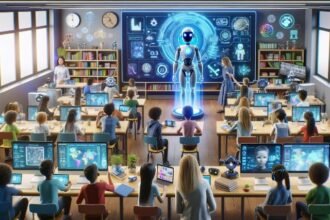



Education is evolving faster than ever, and Classroom 30x is emerging as a powerful symbol of this transformation. As traditional teaching methods struggle to keep pace with digital-native learners, Classroom 30x introduces a smarter, more interactive, and data-driven approach to education. By blending advanced technology with human-centered teaching, it redefines how students learn, collaborate, and succeed.
- What Is Classroom 30x?
- How Classroom 30x Is Redefining Smart Learning Environments
- Interactive Learning at the Core of Classroom 30x
- The Role of Artificial Intelligence in Classroom 30x
- Classroom 30x and Personalized Learning Experiences
- Real-World Applications of Classroom 30x
- Benefits of Classroom 30x for Teachers and Institutions
- Addressing Common Questions About Classroom 30x
- The Future Outlook of Classroom 30x
- Conclusion: Why Classroom 30x Matters
In the first decade of digital education, tools were often fragmented and reactive. Classroom 30x represents the next generation, where learning environments are intelligent, adaptive, and deeply engaging. From AI-powered personalization to immersive collaboration tools, Classroom 30x is shaping the future of modern education across schools, universities, and corporate training environments.
What Is Classroom 30x?
Classroom 30x refers to a next-generation learning ecosystem designed to enhance engagement, personalization, and efficiency through smart technology. Unlike conventional digital classrooms, Classroom 30x integrates artificial intelligence, cloud platforms, interactive displays, and real-time analytics into a unified learning experience.
At its core, Classroom 30x focuses on student-centric learning. Instead of a one-size-fits-all approach, lessons dynamically adapt based on student performance, learning style, and engagement levels. This shift aligns with modern educational research, which shows that personalized learning can improve student outcomes by up to 30 percent, according to studies published by the RAND Corporation.
How Classroom 30x Is Redefining Smart Learning Environments
The defining feature of Classroom 30x is intelligence embedded into the learning space itself. Smart boards, connected devices, and AI-driven software communicate seamlessly to support both teachers and students in real time.
Teachers gain access to live performance dashboards that highlight comprehension gaps instantly. Students benefit from adaptive content that adjusts difficulty levels automatically. According to data from the World Economic Forum, classrooms that integrate smart learning technologies report higher engagement and improved knowledge retention.
This transformation is not about replacing teachers but empowering them with better insights and tools. Classroom 30x allows educators to focus more on mentorship, creativity, and critical thinking while technology handles repetitive administrative tasks.
Interactive Learning at the Core of Classroom 30x
Interactivity is no longer optional in modern education. Classroom 30x emphasizes active participation through collaborative tools, real-time feedback systems, and immersive learning experiences.
Students interact with lessons through touch-enabled displays, shared digital workspaces, and virtual simulations. These interactive elements increase attention spans and improve comprehension, especially in STEM and technical subjects. Research from EdTech Magazine shows that interactive classrooms can increase student participation by more than 40 percent.
In a Classroom 30x environment, learning becomes a two-way experience rather than a passive lecture. Students ask questions, test ideas, and collaborate with peers both physically and digitally.
The Role of Artificial Intelligence in Classroom 30x
Artificial intelligence is the backbone of Classroom 30x. AI analyzes learning patterns, predicts challenges, and recommends customized learning paths for each student.
For example, if a student struggles with a specific math concept, the system automatically suggests supplemental resources, practice exercises, or video explanations. Over time, this adaptive learning approach helps close knowledge gaps before they widen.
According to UNESCO, AI-powered education systems have the potential to support inclusive and equitable learning globally. Classroom 30x leverages this potential by making learning more accessible, responsive, and efficient.
Classroom 30x and Personalized Learning Experiences
Personalization is one of the most powerful advantages of Classroom 30x. Every learner progresses at a different pace, and smart classrooms recognize and support this diversity.
In a Classroom 30x setup, students receive content tailored to their strengths and weaknesses. Fast learners can move ahead without waiting, while others receive additional support without feeling left behind. This approach aligns with findings from McKinsey, which highlight personalized learning as a key driver of improved academic performance.
Personalized learning also boosts motivation. When students feel understood and supported, engagement naturally increases.
Real-World Applications of Classroom 30x
Classroom 30x is not limited to schools. Universities, vocational institutes, and corporate training programs are adopting this model to upskill learners efficiently.
In higher education, smart classrooms enable hybrid learning models that combine in-person instruction with virtual collaboration. In corporate settings, Classroom 30x supports continuous learning through interactive training modules and performance analytics.
A case study from a leading European university showed a 25 percent improvement in course completion rates after implementing smart classroom technologies similar to Classroom 30x.
Benefits of Classroom 30x for Teachers and Institutions
For educators, Classroom 30x reduces administrative burden and improves teaching effectiveness. Automated attendance, grading assistance, and analytics free up time for lesson planning and student engagement.
Institutions benefit from data-driven decision-making. Performance insights help administrators optimize curricula, allocate resources, and improve overall educational quality.
According to Deloitte’s education technology reports, institutions that adopt smart learning environments experience long-term cost efficiency and improved student satisfaction.
Addressing Common Questions About Classroom 30x
Is Classroom 30x suitable for all age groups?
Classroom 30x is adaptable for primary education, higher education, and professional training. The technology scales based on learner needs and cognitive levels, making it flexible across age groups.
Does Classroom 30x replace traditional teaching?
No, Classroom 30x enhances traditional teaching rather than replacing it. Teachers remain central, using technology as a supportive tool rather than a substitute.
Is Classroom 30x expensive to implement?
While initial setup costs can be higher, long-term benefits such as improved outcomes, reduced dropout rates, and operational efficiency often outweigh the investment. Many institutions adopt it in phases to manage costs.
The Future Outlook of Classroom 30x
As technology continues to evolve, Classroom 30x will become even more immersive. Emerging innovations such as augmented reality, virtual reality, and advanced learning analytics will further enhance engagement and understanding.
The future classroom will not be defined by walls or chalkboards but by connectivity, intelligence, and adaptability. Classroom 30x is a foundational step toward that future, preparing learners for a rapidly changing world.
Conclusion: Why Classroom 30x Matters
Classroom 30x represents more than just a technological upgrade. It reflects a fundamental shift in how education is delivered, experienced, and valued. By combining smart technology, interactive learning, and personalized education, Classroom 30x creates environments where students thrive and teachers excel.
As educational institutions seek future-ready solutions, Classroom 30x stands out as a scalable, intelligent, and impactful model. Embracing this approach today means investing in better outcomes, stronger engagement, and a smarter future for learning.