


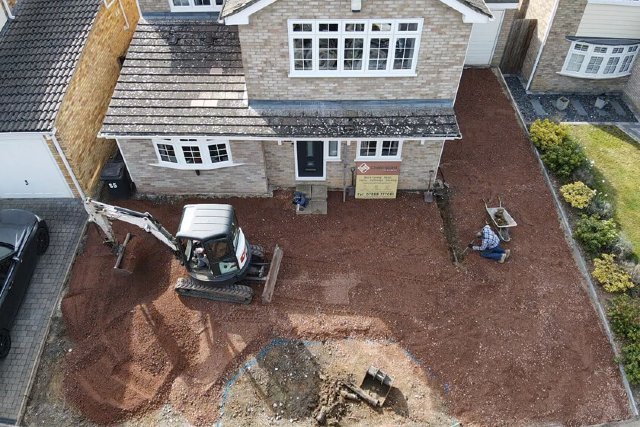
MOT Type 1 is widely regarded as the gold standard sub-base material in the UK construction industry. From domestic driveways to major infrastructure projects, MOT Type 1 forms the foundation beneath countless paved surfaces. Its popularity is not accidental. It is the result of decades of engineering standards, proven performance, and cost-effective reliability.
- What Is MOT Type 1?
- Why MOT Type 1 Is So Widely Used in the UK
- The Composition and Structure of MOT Type 1
- How MOT Type 1 Performs as a Sub-Base
- Common Applications of MOT Type 1 in the UK
- Why MOT Type 1 Outperforms Alternative Sub-Base Materials
- Sustainability and MOT Type 1
- Correct Installation of MOT Type 1
- Common Questions About MOT Type 1
- A Real-World Construction Scenario
- Conclusion: Why MOT Type 1 Remains the UK’s Sub-Base of Choice
Within the first stages of almost any groundworks project, MOT Type 1 is specified because it delivers strength, drainage, and long-term stability. This article explores why MOT Type 1 is the most popular sub-base material in the UK, how it works, where it is used, and what makes it superior to alternative aggregates.
What Is MOT Type 1?
MOT Type 1 is a crushed aggregate material used as a sub-base layer beneath roads, driveways, patios, and paved surfaces. It is typically made from crushed limestone, granite, or recycled concrete, graded from 40mm down to fine dust.
The key characteristic of MOT Type 1 is its ability to compact into a dense, stable layer. When properly installed and compacted, it creates a strong foundation that distributes loads evenly and prevents movement in the surface above.
The term “MOT” originates from the UK Ministry of Transport, which historically set specifications for road-building materials. Today, MOT Type 1 complies with the Specification for Highway Works, making it suitable for both public and private construction projects.
Why MOT Type 1 Is So Widely Used in the UK
Compliance with UK Construction Standards
One of the main reasons MOT Type 1 dominates the UK market is its compliance with national standards. It meets the Department for Transport’s requirements for sub-base materials used in highway construction.
According to the UK Government’s Specification for Highway Works, Type 1 aggregate provides the load-bearing capacity and durability required for long-term performance. Builders and contractors trust it because it is universally accepted by local authorities and building control.
Proven Performance Over Decades
MOT Type 1 has been used across the UK for decades, particularly in road construction. Its performance is well documented, and its behavior under load is predictable.
In construction, predictability reduces risk. Contractors know exactly how MOT Type 1 will compact, drain, and support weight, which makes it a safer choice than untested or variable materials.
The Composition and Structure of MOT Type 1
Graded Aggregate for Maximum Compaction
The secret to MOT Type 1’s effectiveness lies in its grading. The mixture of larger stones and fine particles allows the material to lock together when compacted.
The fines fill the voids between larger stones, creating a tightly bound structure. This interlocking effect increases strength and minimizes movement, even under heavy loads such as vehicles or machinery.
Natural and Recycled Variants
MOT Type 1 is available in both primary and recycled forms. Primary MOT Type 1 is usually produced from quarried limestone or granite, while recycled MOT Type 1 is made from crushed concrete and asphalt.
Both variants are widely used across the UK. Recycled MOT Type 1 is increasingly popular due to sustainability goals, and it often performs just as well as primary material when sourced from reputable suppliers.
How MOT Type 1 Performs as a Sub-Base
Load-Bearing Strength
The primary role of a sub-base is to support weight, and MOT Type 1 excels in this area. Once compacted, it distributes loads evenly across the ground beneath, reducing pressure points.
This is why MOT Type 1 is used under driveways, car parks, and roads. Without a strong sub-base, surface materials like block paving or asphalt are prone to sinking and cracking.
Drainage and Moisture Control
While MOT Type 1 compacts tightly, it still allows controlled water movement. This balance is crucial in the UK’s wet climate.
Good drainage prevents water from pooling beneath surfaces, which can lead to frost heave and structural failure. Research from the Mineral Products Association highlights that well-graded aggregates significantly improve pavement lifespan by managing moisture effectively.
Common Applications of MOT Type 1 in the UK
Driveways and Domestic Projects
MOT Type 1 is the most common sub-base for UK driveways. Whether the surface is block paving, tarmac, or resin-bound gravel, MOT Type 1 provides the necessary foundation.
Homeowners benefit from its affordability and reliability, while installers appreciate its ease of use and consistent performance.
Roads and Highways
In large-scale infrastructure, MOT Type 1 is a standard sub-base material beneath carriageways and footpaths. Its use in highways demonstrates its ability to withstand repeated heavy loads over long periods.
The fact that it is approved for public roads reinforces its reputation as a trusted construction material.
Patios, Paths, and Landscaping
MOT Type 1 is also widely used in patios, garden paths, and commercial landscaping projects. These applications may not carry vehicle loads, but they still require stability to prevent movement and uneven surfaces.
Using MOT Type 1 ensures long-term performance even in areas with variable soil conditions.
Why MOT Type 1 Outperforms Alternative Sub-Base Materials
Comparison with Building Sand and Hardcore
Some alternatives, such as building sand or ungraded hardcore, are still used in small projects. However, these materials lack the consistent grading and compaction properties of MOT Type 1.
Ungraded materials can shift over time, leading to surface failure. This is why professional contractors almost always specify MOT Type 1 instead.
Cost-Effectiveness Over the Long Term
Although MOT Type 1 may not always be the cheapest option upfront, it is one of the most cost-effective over time. Its durability reduces the likelihood of repairs, replacements, and maintenance.
According to construction lifecycle cost studies, investing in a high-quality sub-base can extend surface lifespan by several years, delivering better value overall.
Sustainability and MOT Type 1
Recycled MOT Type 1 and Environmental Impact
The growing use of recycled MOT Type 1 supports the UK’s sustainability targets. Recycled aggregates reduce landfill waste and lower the demand for virgin quarry materials.
The Environment Agency promotes the use of recycled construction materials where performance standards can still be met. Recycled MOT Type 1 aligns well with these guidelines.
Reduced Carbon Footprint
Using locally sourced MOT Type 1 also reduces transportation emissions. Because it is produced across the UK, haulage distances are often shorter than for imported materials.
This makes MOT Type 1 an environmentally responsible choice for both small and large projects.
Correct Installation of MOT Type 1
Importance of Proper Compaction
Even the best sub-base material will fail if installed incorrectly. MOT Type 1 must be laid in layers and compacted using a vibrating plate or roller.
Proper compaction ensures maximum strength and prevents settlement. Industry guidance from the Federation of Master Builders emphasizes that poor compaction is one of the leading causes of driveway failure.
Depth Requirements
The required depth of MOT Type 1 varies depending on application. Driveways typically require deeper sub-bases than patios or paths.
Following manufacturer and local authority recommendations ensures compliance and long-term performance.
Common Questions About MOT Type 1
What does MOT Type 1 stand for?
MOT refers to the Ministry of Transport, which originally set the specification. Type 1 identifies the grading and performance standard of the aggregate.
Can MOT Type 1 be used for patios?
Yes, MOT Type 1 is ideal for patios because it provides a stable, well-draining foundation that prevents movement and uneven surfaces.
Is recycled MOT Type 1 as good as primary?
When sourced from reputable suppliers, recycled MOT Type 1 performs comparably to primary material and is widely accepted across the UK.
A Real-World Construction Scenario
Imagine a new-build housing development in the Midlands. Hundreds of driveways, footpaths, and access roads must be constructed quickly and cost-effectively.
By specifying MOT Type 1 as the standard sub-base material, contractors ensure consistent quality across the site. This reduces defects, speeds up inspections, and minimizes long-term maintenance issues for homeowners.
This scenario reflects why MOT Type 1 is specified so frequently in both residential and commercial developments.
Conclusion: Why MOT Type 1 Remains the UK’s Sub-Base of Choice
MOT Type 1 has earned its place as the most popular sub-base material in the UK through proven performance, national approval, and exceptional versatility. Its ability to compact tightly, support heavy loads, and manage moisture makes it suitable for everything from garden patios to major highways.
With the added benefits of recycled options and long-term cost savings, MOT Type 1 continues to meet the evolving demands of modern construction. For builders, contractors, and homeowners alike, choosing MOT Type 1 means choosing reliability, compliance, and peace of mind.
When a project needs a foundation that will stand the test of time, MOT Type 1 remains the clear and trusted choice across the UK.