


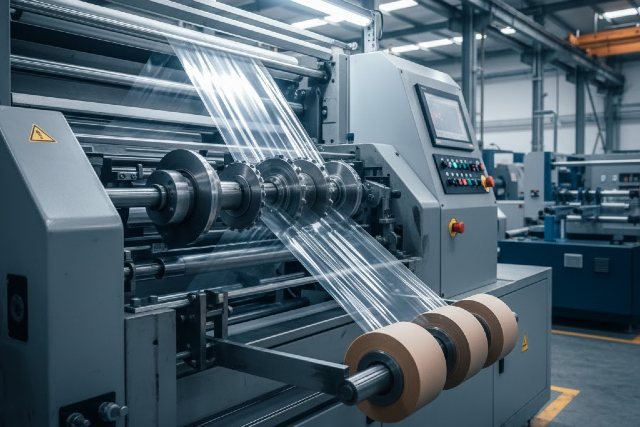
A Slitter Rewinder Machine is a critical piece of industrial equipment used across paper, plastic, packaging, textile, and flexible film industries. In the first 100 words, it is important to understand that a slitter rewinder machine is designed to cut large rolls of material into narrower rolls while rewinding them with precision, speed, and consistency.
- What Is a Slitter Rewinder Machine?
- How a Slitter Rewinder Machine Works
- Key Components of a Slitter Rewinder Machine
- Types of Slitter Rewinder Machines
- Why Slitter Rewinder Machines Matter in Manufacturing
- Applications Across Industries
- Benefits of Using a Modern Slitter Rewinder Machine
- Common Challenges and How to Overcome Them
- How to Choose the Right Slitter Rewinder Machine
- Future Trends in Slitter Rewinder Technology
- Frequently Asked Questions About Slitter Rewinder Machines
- Conclusion: Why the Slitter Rewinder Machine Is Essential
As global manufacturing shifts toward efficiency and waste reduction, the slitter rewinder machine has become indispensable. According to industry data published by MarketsandMarkets, the global slitting machine market is expected to grow steadily due to rising demand in packaging and flexible materials. This growth highlights why understanding how a slitter rewinder machine works and why it matters is essential for manufacturers and production managers.
What Is a Slitter Rewinder Machine?
A slitter rewinder machine is an industrial system that performs two primary operations: slitting and rewinding. Slitting involves cutting a master roll of material into smaller widths, while rewinding ensures those narrower strips are wound into finished rolls with uniform tension.
The machine is widely used for processing materials such as paper, aluminum foil, plastic films, non-woven fabrics, labels, and laminates. The accuracy of a slitter rewinder machine directly affects product quality, downstream processing, and overall operational efficiency.
In modern production environments, manufacturers rely on advanced slitter rewinder machines equipped with automation, digital controls, and safety systems to maintain high throughput and consistent quality.
How a Slitter Rewinder Machine Works
Understanding the working principle of a slitter rewinder machine helps clarify its value in industrial production. The process begins when a large parent roll, often referred to as a jumbo roll, is mounted onto the unwind section of the machine.
As the material unwinds, it passes through a slitting section where circular blades, razor blades, or shear knives cut the material into multiple narrower strips. The choice of slitting method depends on material type, thickness, and required edge quality.
Once slit, each strip moves to the rewinding section, where it is wound onto individual cores under controlled tension. Advanced slitter rewinder machines use tension control systems to prevent wrinkles, telescoping, or uneven roll formation.
According to research from TAPPI, precise tension control in slitting and rewinding operations can reduce material waste by up to 20 percent, reinforcing the importance of high-quality machine design.
Key Components of a Slitter Rewinder Machine
A slitter rewinder machine is composed of several integrated components that work together to ensure accuracy and efficiency. The unwind unit supports the master roll and controls material feed speed.
The slitting unit is the core of the machine, responsible for clean and precise cuts. Blade alignment and sharpness play a major role in maintaining edge quality.
The rewinding unit ensures finished rolls are tightly and evenly wound. Modern machines often include differential shafts to maintain consistent tension across multiple rolls.
Control systems, often PLC-based, allow operators to set parameters such as speed, tension, and cut width. These digital systems enhance repeatability and reduce operator dependency.
Types of Slitter Rewinder Machines
Slitter rewinder machines are available in several configurations based on application and material type. Center slitter rewinders are commonly used for lightweight materials such as films and foils, offering precise tension control.
Surface slitter rewinders are ideal for thicker and heavier materials like paperboard, where roll hardness is critical. Duplex and turret slitter rewinders are designed for high-speed production environments requiring minimal downtime.
Choosing the right slitter rewinder machine depends on production volume, material characteristics, and quality requirements.
Why Slitter Rewinder Machines Matter in Manufacturing
The importance of a slitter rewinder machine lies in its ability to enhance productivity, reduce waste, and improve product consistency. In industries such as flexible packaging, even minor inconsistencies can lead to costly downstream issues.
Efficient slitting and rewinding enable manufacturers to meet tight tolerances demanded by modern converting and printing processes. This precision directly impacts customer satisfaction and brand reputation.
The International Packaging Association reports that packaging defects caused by improper slitting account for a significant percentage of production losses. Investing in a reliable slitter rewinder machine helps mitigate these risks.
Applications Across Industries
Slitter rewinder machines play a vital role across multiple industries. In the paper industry, they are used to convert jumbo rolls into standard sizes for printing and packaging.
In plastic and film manufacturing, slitter rewinder machines ensure uniform rolls for lamination, extrusion coating, and pouch making. The textile industry relies on them for processing technical fabrics and non-woven materials.
Label and adhesive manufacturers use slitter rewinder machines to produce precise rolls required for automated labeling systems. Each application demands specific machine configurations and performance standards.
Benefits of Using a Modern Slitter Rewinder Machine
A modern slitter rewinder machine delivers measurable operational benefits. Improved cutting accuracy reduces material waste and rework, leading to cost savings.
Automation and digital controls enhance production speed while maintaining consistent quality. This allows manufacturers to scale operations without compromising precision.
Energy-efficient designs and predictive maintenance features further improve return on investment. According to a study by McKinsey, smart manufacturing technologies can increase productivity by up to 30 percent, a benefit directly applicable to advanced slitter rewinder machines.
Common Challenges and How to Overcome Them
Despite their advantages, slitter rewinder machines can present challenges if not properly configured or maintained. Blade wear can lead to poor edge quality and material tearing.
Inconsistent tension may cause wrinkles or uneven rolls, impacting downstream processes. These issues can be addressed through regular maintenance, operator training, and the use of automated tension control systems.
Manufacturers that implement preventive maintenance programs experience fewer breakdowns and longer machine lifespan, according to data from Reliabilityweb.
How to Choose the Right Slitter Rewinder Machine
Selecting the right slitter rewinder machine requires careful evaluation of production needs. Material type, roll width, thickness, and desired output speed are key considerations.
Manufacturers should also assess after-sales support, availability of spare parts, and machine upgrade options. Investing in a flexible machine ensures adaptability as production requirements evolve.
Consulting with experienced machine suppliers and reviewing case studies can help businesses make informed decisions.
Future Trends in Slitter Rewinder Technology
The future of slitter rewinder machines is closely tied to Industry 4.0. Smart sensors, real-time data analytics, and remote monitoring are becoming standard features.
AI-driven systems are being developed to optimize blade positioning and tension settings automatically. These advancements reduce human error and improve consistency.
As sustainability becomes a priority, manufacturers are also focusing on machines that minimize waste and energy consumption, aligning with global environmental standards.
Frequently Asked Questions About Slitter Rewinder Machines
What materials can a slitter rewinder machine process?
A slitter rewinder machine can process paper, plastic films, aluminum foil, laminates, non-woven fabrics, and textiles, depending on its configuration.
How does a slitter rewinder machine improve efficiency?
By combining precise cutting and controlled rewinding, a slitter rewinder machine reduces waste, speeds up production, and ensures consistent roll quality.
Is operator skill important when using a slitter rewinder machine?
While modern machines are highly automated, trained operators are still essential for setup, monitoring, and maintenance to ensure optimal performance.
How often should a slitter rewinder machine be maintained?
Regular preventive maintenance, including blade inspection and tension calibration, should be performed according to manufacturer guidelines to maximize lifespan.
Conclusion: Why the Slitter Rewinder Machine Is Essential
In today’s competitive manufacturing landscape, the Slitter Rewinder Machine is more than just a production tool. It is a strategic asset that enables efficiency, precision, and scalability.
By understanding how a slitter rewinder machine works and why it matters, manufacturers can make informed decisions that improve quality and reduce costs. As technology advances, investing in modern slitter rewinder machines will continue to play a vital role in sustainable and profitable manufacturing operations.
For businesses aiming to stay competitive in paper, packaging, film, or textile industries, the slitter rewinder machine remains an essential pillar of production excellence.