


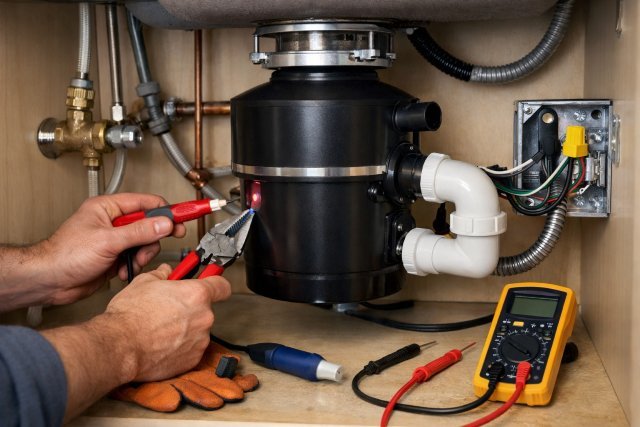
Garbage Disposal Installation is one of the most practical kitchen upgrades homeowners consider, but it is also one of the most commonly mishandled DIY projects. While the unit itself may look simple, improper plumbing connections or unsafe electrical work can lead to leaks, clogs, electrical hazards, or costly repairs down the line. Understanding both plumbing and electrical safety is essential before installing or replacing a garbage disposal.
- What Is Garbage Disposal Installation and Why It Matters
- Plumbing Basics You Must Understand Before Installation
- Electrical Safety Essentials for Garbage Disposal Installation
- Step-by-Step Overview of a Safe Installation Process
- Common Plumbing Mistakes and How to Avoid Them
- Electrical Errors That Can Lead to Serious Hazards
- DIY vs Professional Garbage Disposal Installation
- Cost Factors and Long-Term Value
- Maintenance Tips After Installation
- Frequently Asked Questions About Garbage Disposal Installation
- Conclusion: Safe Garbage Disposal Installation Is Worth the Effort
In this in-depth guide, you’ll learn how Garbage Disposal Installation works, what safety precautions matter most, and when it’s best to call a professional. Whether you’re planning a DIY installation or simply want to understand the process better, this article provides expert-backed insights, real-world examples, and actionable tips to help you make informed decisions.
What Is Garbage Disposal Installation and Why It Matters
Garbage Disposal Installation refers to the process of mounting a disposal unit beneath a kitchen sink, connecting it to the drain system, and safely wiring it to a power source. Although it’s a common appliance, the disposal sits at the intersection of water and electricity, making safety a top priority.
According to the Electrical Safety Foundation International, water-related electrical issues are among the leading causes of household electrical accidents, especially in kitchens. When Garbage Disposal Installation is done incorrectly, even a minor wiring mistake can pose serious risks.
Beyond safety, proper installation also affects performance. A well-installed unit runs quieter, drains efficiently, and lasts longer. Poor installation, on the other hand, often results in vibrations, frequent jams, or foul odors due to improper drainage.
Plumbing Basics You Must Understand Before Installation
Plumbing is the backbone of any Garbage Disposal Installation. Without proper drainage and sealing, leaks are almost inevitable.
Understanding Sink Drain Compatibility
Most modern kitchen sinks are compatible with garbage disposals, but older plumbing systems may require modifications. The sink flange must fit securely, and the drainpipe alignment should allow smooth water flow. If the drainpipe sits too high or too low, wastewater can back up into the sink.
In real-world installations, plumbers often find that older homes require drainpipe adjustments to prevent standing water inside the disposal chamber. Standing water accelerates corrosion and reduces the unit’s lifespan.
Dishwasher Connection Considerations
If your dishwasher drains through the disposal, the knock-out plug inside the disposal inlet must be removed. Forgetting this step is a common mistake and often leads to dishwasher backups. During Garbage Disposal Installation, always confirm whether your dishwasher is connected and test drainage immediately after installation.
According to Consumer Reports, improper dishwasher-disposal connections are among the top causes of post-installation service calls.
Electrical Safety Essentials for Garbage Disposal Installation
Electrical safety is where many DIY installers run into trouble. A garbage disposal requires a reliable power source, proper grounding, and compliance with local electrical codes.
Hardwired vs Plug-In Disposals
Some units are hardwired directly into the electrical system, while others use a standard plug connected to a wall outlet under the sink. Plug-in models are generally safer and easier for homeowners, as they reduce direct electrical handling.
Hardwired Garbage Disposal Installation should only be attempted if you’re familiar with electrical wiring and local codes. In many regions, electrical codes require a dedicated circuit or a switch-controlled outlet.
Importance of Grounding and GFCI Protection
Ground Fault Circuit Interrupter (GFCI) protection is strongly recommended for garbage disposals because they operate in a wet environment. The U.S. Consumer Product Safety Commission notes that GFCIs can prevent serious electrical shocks by cutting power when an imbalance is detected.
Proper grounding ensures that any stray electrical current is safely redirected, reducing the risk of shock or appliance damage. Skipping grounding during Garbage Disposal Installation is not just unsafe, it’s often a code violation.
Step-by-Step Overview of a Safe Installation Process
While this article does not replace professional instructions, understanding the overall flow of Garbage Disposal Installation helps you identify risks and avoid mistakes.
The process typically starts with shutting off power and water. The old drain assembly is removed, followed by installing the new sink flange with plumber’s putty for a watertight seal. The disposal mounting ring is secured, plumbing connections are aligned, and electrical wiring is completed according to the unit type.
Once installed, testing is critical. Running water while operating the disposal helps detect leaks, unusual noises, or electrical issues early.
Common Plumbing Mistakes and How to Avoid Them
Many plumbing-related problems stem from rushing the installation or skipping alignment checks.
One frequent issue is overtightening drain connections. While it may seem logical to tighten as much as possible, overtightening can crack plastic components or distort rubber seals, leading to slow leaks.
Another mistake is improper P-trap alignment. If the trap is angled incorrectly, food waste can accumulate, causing frequent clogs. During Garbage Disposal Installation, ensure that the drainpipe slopes correctly toward the main drain line.
Electrical Errors That Can Lead to Serious Hazards
Electrical mistakes during Garbage Disposal Installation can be dangerous and expensive.
Loose wire connections are a major concern. Over time, vibrations from the disposal can worsen loose connections, increasing the risk of arcing or overheating. Using proper wire nuts and strain relief connectors significantly reduces this risk.
Another common error is using an extension cord or shared outlet. Disposals draw a high current during startup, and inadequate wiring can lead to breaker trips or fire hazards. The National Fire Protection Association reports that improper appliance wiring contributes to thousands of home fires each year.
DIY vs Professional Garbage Disposal Installation
Many homeowners wonder whether they should handle Garbage Disposal Installation themselves or hire a professional.
DIY installation can save money upfront, especially for simple replacements with existing plumbing and plug-in wiring. However, complex installations involving new wiring, drain modifications, or dishwasher integration often justify professional help.
Licensed plumbers and electricians bring code compliance, insurance coverage, and experience. In case studies from home improvement platforms like Angi, professionally installed disposals report fewer leaks and longer average lifespans compared to DIY installations.
Cost Factors and Long-Term Value
The cost of Garbage Disposal Installation varies depending on complexity. A basic replacement may cost less, while a first-time installation requiring electrical and plumbing upgrades costs more.
While professional installation adds to upfront cost, it often reduces long-term expenses by preventing water damage, electrical repairs, and premature appliance failure. From a value perspective, proper installation protects both your kitchen and your investment.
Maintenance Tips After Installation
Once your Garbage Disposal Installation is complete, maintenance plays a key role in safety and performance.
Running cold water during operation helps solidify grease so it can be chopped and flushed away. Periodically cleaning the unit with ice cubes and citrus peels reduces odors and residue buildup.
Avoid disposing of fibrous foods, bones, or grease, as these materials increase strain on the motor and plumbing system. Proper usage habits significantly extend the life of your disposal.
Frequently Asked Questions About Garbage Disposal Installation
Is Garbage Disposal Installation dangerous?
Garbage Disposal Installation can be dangerous if electrical and plumbing safety rules are ignored. Risks include electrical shock, water leaks, and code violations. Following manufacturer instructions and safety guidelines minimizes these risks.
Do I need an electrician to install a garbage disposal?
If the disposal is plug-in and an outlet already exists, an electrician may not be necessary. However, for hardwired installations or new circuits, hiring a licensed electrician is strongly recommended.
How long does Garbage Disposal Installation take?
A straightforward replacement typically takes one to two hours. New installations with plumbing or electrical modifications may take longer.
Conclusion: Safe Garbage Disposal Installation Is Worth the Effort
Garbage Disposal Installation is more than a simple kitchen upgrade; it’s a project that demands respect for both plumbing and electrical safety. When done correctly, it enhances convenience, hygiene, and home value. When done poorly, it introduces risks that far outweigh any short-term savings.
By understanding proper plumbing alignment, electrical grounding, and safety standards, you can make smarter decisions about installation and maintenance. Whether you choose a DIY approach or hire a professional, prioritizing safety ensures your garbage disposal operates efficiently and reliably for years to come.