

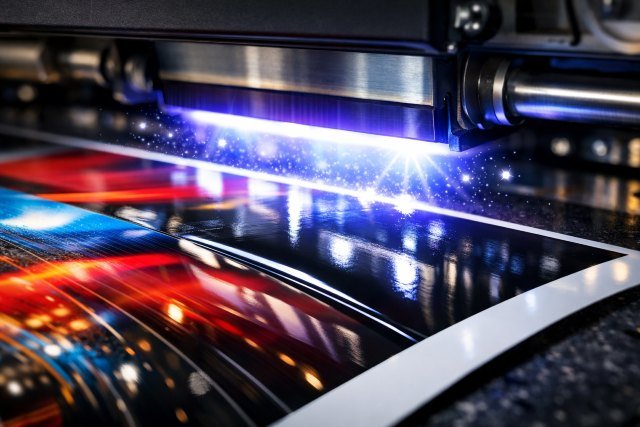
If you’re looking for a coating that cures quickly, adds a premium shine, and delivers a tough protective layer, Uvlack UV Coating is built exactly for that purpose. Unlike traditional finishes that depend on heat drying or long air-curing times, Uvlack uses UV light to instantly crosslink and harden, producing a finish that is stronger, cleaner, and far more efficient in industrial and commercial workflows.
- What Is Uvlack UV Coating?
- Why UV Coating Has Become the Preferred Industrial Finish
- Key Benefits of Uvlack UV Coating
- How Uvlack UV Coating Works (Simple Explanation)
- Where Uvlack UV Coating Performs Best (Real-World Applications)
- Uvlack vs Traditional Coatings: What Makes UV Better?
- Common Problems (and How to Avoid Them)
- Actionable Tips for Getting the Best Results with Uvlack UV Coating
- Frequently Asked Questions
- Conclusion: Why Uvlack UV Coating Is the Smart Finish Choice
In today’s fast-paced manufacturing and finishing environment, curing speed isn’t just a convenience — it’s productivity. UV-curable coatings can harden in seconds, drastically reducing cycle times compared to conventional thermal curing methods that may take minutes to hours.
What Is Uvlack UV Coating?
Uvlack UV Coating is a UV-curable protective surface coating designed to deliver high gloss, strong hardness, and quick curing through ultraviolet light exposure. It forms a durable crosslinked film that resists scratches, chemicals, and wear while creating a premium glossy appearance.
UV curing works through photopolymerization, where UV light activates photoinitiators in the coating formulation to rapidly form a hardened network. This makes UV coatings exceptionally fast, energy-efficient, and ideal for heat-sensitive surfaces.
Why UV Coating Has Become the Preferred Industrial Finish
UV-curable coatings have grown rapidly because they solve three major issues common in traditional coatings:
- Slow drying time
- High energy consumption
- Inconsistent finish quality due to evaporation and solvent loss
With UV curing, coatings harden instantly once exposed to UV energy — there’s no waiting for solvents to evaporate, and 100% solids formulations can retain film thickness without shrinkage.
This shift is especially visible in high-throughput industries like wood finishing, printing, coil coating, electronics, and packaging, where speed, quality, and sustainability matter.
Key Benefits of Uvlack UV Coating
1. Stronger Finish and Higher Surface Hardness
The biggest advantage of Uvlack UV Coating is the highly crosslinked polymer structure created during UV curing. This network makes the surface harder, more resistant to abrasion, and longer-lasting than many conventional finishes.
Research on UV-curable polyurethane acrylate coatings shows that UV curing can achieve hardness levels as high as 4H, while also delivering strong scratch-repair properties under certain advanced formulations.
Additionally, published work on scratch and abrasion resistance improvements in UV coatings demonstrates how additive technologies such as nanocomposites, silica, and siloxanes can further enhance durability — something commonly used in advanced UV coating systems.
In practice, this means:
Uvlack-coated surfaces stay glossy longer, resist scuffs, and hold up better under daily handling or industrial use.
2. Faster Curing = Higher Productivity
Traditional coatings often require long drying tunnels, heat ovens, or extended cure times. By comparison, UV curing can harden finishes in seconds.
A notable industry reference highlights that UV/EB coil coating systems can cure in 1 to 3 seconds, whereas thermal coil coating products typically take 20 to 30 seconds, making UV curing at least 10x faster in certain production environments.
This reduction in cure time translates directly into:
- Faster throughput
- Lower bottlenecks
- Less floor space needed for curing ovens
- Reduced rework and dust contamination (because surfaces harden instantly)
SpecialChem also reinforces that UV coatings typically cure in seconds compared with conventional ovens that may take hours, dramatically improving cycle time.
3. Better Shine and Visual Clarity
If shine is the goal, Uvlack UV Coating is a top-tier option.
UV coatings are known for producing:
- High-gloss smooth surfaces
- Excellent leveling
- Strong clarity with reduced yellowing (with proper formulation)
Because UV coatings don’t rely on solvent evaporation, the film forms more uniformly and retains its intended thickness, helping create a consistent premium finish.
This is why UV coatings are widely used in industries where visual appeal is critical — like packaging, luxury printing, premium furniture, and decorative panels.
4. Energy Efficiency and Sustainability Advantages
One often overlooked benefit of UV curing is energy reduction. UV curing supplies energy only through UV lamps, instead of heating large ovens for long durations.
A review published on ScienceDirect notes that compared to classical thermal curing processes, UV curing requires very low energy, limited mainly to operating UV lamps, making it a much more efficient curing method.
Similarly, energy-curable coating technology is frequently presented as an energy-efficient industrial upgrade because it reduces operational costs and carbon footprint compared with thermal curing lines.
And in many UV-curable systems, solvent-free formulations help reduce VOC emissions, supporting cleaner compliance and sustainability goals.
How Uvlack UV Coating Works (Simple Explanation)
The performance of Uvlack UV Coating is built on UV curing chemistry:
- The coating contains resins (oligomers), monomers, additives, and photoinitiators.
- When exposed to UV light, photoinitiators generate reactive species.
- These trigger polymerization and crosslinking.
- The result is an instantly hardened coating film with high durability.
This process is fast, controlled, and reliable — one reason UV curing is praised for its short curing time and ability to coat heat-sensitive substrates such as wood, plastic, and paper.
Where Uvlack UV Coating Performs Best (Real-World Applications)
Wood Furniture and Panels
UV coatings are widely used in wood finishing because they cure quickly and provide scratch resistance and gloss retention — ideal for flooring, cabinets, doors, and decorative wood panels.
Printing and Packaging
UV curing delivers crisp, high-durability printed finishes that resist abrasion and chemical exposure. Crosslinked UV systems are often associated with strong scratch resistance and durability in print applications.
Industrial Components and Metal Coils
Energy-curable coatings are growing in coil coating because they enable faster line speeds, energy savings, and durable performance.
Electronics and Conformal Coatings
UV curing is increasingly used for fast-drying protection layers in electronics manufacturing, with some processes curing in 5–30 seconds depending on coating type and UV exposure design.
Uvlack vs Traditional Coatings: What Makes UV Better?
Traditional coatings often depend on:
- Heat drying
- Chemical evaporation
- Extended curing times
- Higher energy input
- Greater risk of contamination during drying
UV coatings are different: polymerization happens immediately, the coating doesn’t shrink from solvent loss, and curing is highly controllable.
If your goal is stronger finish, faster curing, better shine, UV is usually the superior option.
Common Problems (and How to Avoid Them)
Even premium UV coatings like Uvlack can underperform if the process is wrong. Here’s what to watch for.
1. Under-Curing (Soft Surface or Poor Scratch Resistance)
Under-curing happens when UV intensity is too low, the coating layer is too thick, or photoinitiator activation is incomplete.
Fix:
Ensure correct lamp intensity, proper exposure time, and match coating thickness to the curing system.
2. Oxygen Inhibition (Tacky Surface)
UV polymerization can be affected by oxygen at the surface, which may cause a sticky or under-cured feel.
Fix:
Use formulations designed for air curing or adopt inerting systems (nitrogen-based) for sensitive applications.
3. Poor Adhesion on Some Plastics or Metals
Some substrates require surface preparation.
Fix:
Use primers, surface treatment, or proper cleaning to remove contaminants before application.
4. Gloss Variability
Gloss depends heavily on leveling, film thickness, and curing uniformity.
Fix:
Keep application consistent, avoid uneven coating thickness, and maintain stable lamp distance.
Actionable Tips for Getting the Best Results with Uvlack UV Coating
If you want Uvlack to deliver maximum shine and toughness, use these real-world best practices:
Use the correct UV lamp spectrum recommended for the coating chemistry. Different photoinitiators respond best to specific wavelength ranges.
Maintain lamp cleanliness and replace UV bulbs on schedule. UV intensity drops over time, reducing curing reliability.
Control coating thickness. Too thick can cause incomplete cure; too thin may reduce protection.
Test scratch resistance and gloss regularly using standard methods, especially in production environments. Research shows performance varies significantly depending on additives and formulation strategies.
Frequently Asked Questions
What is Uvlack UV Coating used for?
Uvlack UV Coating is used to protect and enhance surfaces with a strong, glossy, scratch-resistant finish. It is commonly applied in wood finishing, packaging, printing, plastics, electronics, and industrial coatings.
How fast does Uvlack UV Coating cure?
UV coatings can cure within seconds depending on lamp intensity and coating thickness. Industrial UV/EB coil coatings have been reported to cure in 1–3 seconds, much faster than thermal curing.
Is UV coating stronger than traditional coating?
Yes. UV coatings form a highly crosslinked structure during curing, resulting in improved hardness, abrasion resistance, and scratch performance compared with many traditional finishes.
Does Uvlack UV Coating reduce energy usage?
Yes. UV curing requires energy mainly for UV lamps rather than heating large ovens, which reduces energy consumption compared to conventional thermal curing systems.
Does UV coating work on heat-sensitive surfaces?
Yes. UV coatings are widely used on heat-sensitive materials like wood, paper, and plastics because curing happens quickly without prolonged high heat exposure.
Conclusion: Why Uvlack UV Coating Is the Smart Finish Choice
If your goal is a coating that delivers strength, speed, and shine, Uvlack UV Coating checks every box. It cures in seconds, creates a tough scratch-resistant finish, and produces a premium high-gloss surface that immediately elevates product quality.
Beyond performance, Uvlack offers a major operational advantage: faster production cycles, reduced energy consumption, and a cleaner curing process compared to traditional thermal curing systems.
Whether you’re finishing furniture, producing packaging, coating industrial components, or improving print durability, Uvlack UV Coating is a modern solution that combines aesthetics and protection with real-world efficiency.