

Piçada is a deeply comforting, flavor-forward traditional dish known for its rustic preparation, bold seasoning, and cultural roots. It’s often associated with Brazilian home cooking, where meals are built around community, warmth, and practical ingredients that transform into something unforgettable.
- Why Piçada Is More Than Just a Meal
- Piçada’s Cultural Roots: Where It Comes From
- What Does Piçada Taste Like?
- Piçada Ingredients: What Typically Goes In It
- How Piçada Is Traditionally Served
- Why Piçada Is Trending (And Why Everyone Should Try It)
- How to Make Piçada at Home (A Traditional-Style Approach)
- Best Tips for an Authentic Piçada (Even If You’re New)
- Piçada Variations You’ll Love
- Is Piçada Similar to Picadillo or Picada?
- Nutritional Value: Is Piçada Healthy?
- Common Questions People Ask About Piçada (FAQs)
- Conclusion: Why Piçada Belongs on Your Must-Try List
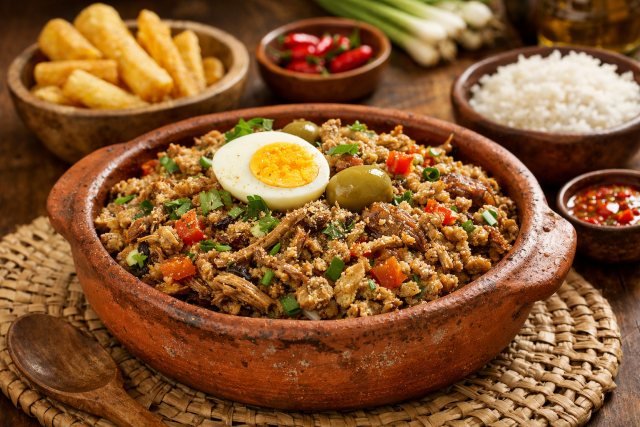
At its core, Piçada is a slow-cooked dish that combines meat and vegetables — often prepared in a way that emphasizes rich broth, layered spices, and tender texture. Depending on region and family tradition, Piçada may resemble a stew, a hearty skillet meal, or a grilled preparation using seasoned chunks of meat and colorful vegetables.
While some modern food blogs describe Piçada as skewered and grilled, many versions emphasize its rural, wood-fire style origins — where it’s cooked slowly and served as a hearty, filling meal meant to feed many.
Why Piçada Is More Than Just a Meal
The reason Piçada stands out isn’t only flavor — though it delivers on that front. The real magic is that Piçada represents a culinary philosophy found across many traditional cultures:
take simple ingredients, cook them with patience, and turn them into something memorable.
Many writers connect Piçada’s evolution to Brazil’s diverse cultural influences, including Indigenous techniques and African culinary traditions, shaped further by trade and regional adaptation.
Piçada’s Cultural Roots: Where It Comes From
Brazilian cuisine is famously diverse, shaped by Indigenous ingredients, African cooking styles, and European influences. Piçada reflects this blend.
Several modern explainers describe Piçada as a dish with rustic origins — initially prepared by farmers or rural communities using readily available cuts of meat, seasonal vegetables, and local seasonings. Over time, regional variations developed, each reflecting local taste preferences and available ingredients.
What Does Piçada Taste Like?
If you’ve never had Piçada, the easiest way to picture the flavor is this:
deeply savory, gently smoky (especially in wood-fire versions), and balanced with aromatic vegetables and spices.
Depending on how it’s cooked, Piçada can have:
- A rich, broth-like depth from slow simmering
- A roasted, charred intensity from grilling or skillet cooking
- A bright lift from citrus or herbs
- A comforting sweetness from onions, peppers, or carrots
The texture is usually the star: tender meat + soft vegetables + a sauce or broth that soaks into rice or bread beautifully.
Piçada Ingredients: What Typically Goes In It
A traditional Piçada is usually built from a few essential building blocks:
1) The Protein
Piçada commonly uses beef, pork, or chicken — often cuts that become tender with longer cooking.
2) Vegetables
Peppers, onions, tomatoes, garlic, and sometimes root vegetables are common additions.
3) Flavor Base
Aromatics and spices are what make Piçada feel “traditional” rather than generic. Many versions use garlic, pepper, herbs, and regional spice blends.
4) Cooking Medium
Some versions rely on slow simmering with broth, while other styles feature grilling or sautéing until deeply browned.
This flexibility is one reason Piçada has survived across generations. It adapts without losing its soul.
How Piçada Is Traditionally Served
What makes Piçada especially satisfying is the way it fits into a complete meal.
In many households, it’s served family-style, paired with sides that balance richness and stretch the dish for a group. Common pairings include:
- Rice (for soaking up sauce or broth)
- Farofa or farinha (for texture and flavor contrast)
- Fresh salad or vinaigrette-style sides
- Bread for dipping
Because Piçada is hearty, it often doubles as both a main course and a “special occasion comfort meal” — the kind people make when family visits or weekends slow down.
Why Piçada Is Trending (And Why Everyone Should Try It)
The modern food world loves rediscovering traditional dishes. There are three main reasons Piçada fits today’s food trends perfectly:
1) Comfort Food Is Always Popular
Search behavior around comfort food stays strong year-round. Piçada hits the same psychological satisfaction as stews, braises, and slow-cooked classics — while still feeling fresh and culturally interesting.
2) It’s Meal-Prep Friendly
Piçada often tastes even better the next day as flavors develop. That makes it ideal for meal prep, leftovers, and family dinners.
3) It’s Highly Customizable
You can make Piçada spicy, mild, meat-heavy, vegetable-forward, or even plant-based — without breaking its identity.
That adaptability is exactly what keeps traditional dishes alive in modern kitchens.
How to Make Piçada at Home (A Traditional-Style Approach)
There are different ways to cook Piçada, but if your goal is the most traditional “comfort” style, this is the approach you want:
Step 1: Build Flavor Early
Start by sautéing onions and garlic until fragrant. This is the foundation for depth.
Step 2: Brown the Meat
Browning develops flavor through caramelization, which gives Piçada that savory complexity.
Step 3: Add Vegetables and Spices
Peppers, tomatoes, herbs, and spices go in next. The goal is balance: sweetness from vegetables, richness from meat, and aroma from seasonings.
Step 4: Slow Cook
This is where the magic happens. Slow cooking transforms tougher cuts into tender pieces and creates a sauce or broth that becomes the heart of the meal.
Step 5: Finish Bright
Many traditional dishes benefit from a bright finishing touch: fresh herbs, citrus, or vinegar-based sides.
If your version leans toward grilling/skewering, the same logic applies — marinate, cook hot, and keep the flavors bold.
Best Tips for an Authentic Piçada (Even If You’re New)
Use the Right Cut of Meat
For stew-like Piçada, choose cuts that thrive with slow cooking, not lean cuts that dry out quickly.
Don’t Rush the Browning
That golden-brown stage is where flavor is born.
Let It Rest
Like many traditional dishes, Piçada improves after resting because flavors deepen and settle.
Match It With Something Fresh
If Piçada is rich, balance it with something acidic or crisp — like a tomato-onion salad, citrus dressing, or lightly pickled vegetables.
Piçada Variations You’ll Love
Piçada is not rigid. The best versions are often the ones adapted to what’s available.
Regional-Style Variations
Some versions lean smoky, others spicy, others herb-forward.
Modern Diet-Friendly Versions
Some cooks reduce fat, use leaner proteins, or increase vegetable volume.
Vegetarian Piçada-Inspired Options
While traditional Piçada often centers meat, you can recreate the spirit of the dish using mushrooms, beans, smoked paprika, or roasted vegetables.
The key is still the same: bold flavor + patient cooking + a comforting final texture.
Is Piçada Similar to Picadillo or Picada?
This is a common point of confusion — and it’s worth addressing because it helps capture SEO traffic from related searches.
Piçada vs Picadillo
Picadillo is a minced or ground meat dish common across Latin America, often cooked with tomatoes and regional ingredients.
Piçada, as described in Brazilian contexts, tends to focus on chunks of meat and vegetables, usually slow-cooked or grilled.
Piçada vs Picada (Argentina/Uruguay)
A picada in Argentina and Uruguay is more like a snack platter — cheese, cured meats, olives, and bite-sized foods served socially.
So while the words look similar, they refer to different food traditions.
Nutritional Value: Is Piçada Healthy?
Piçada can be either indulgent or balanced depending on ingredients and cooking style.
It offers:
- Protein-rich base (meat, beans, or alternatives)
- Fiber and nutrients from vegetables
- Potential for high satiety (meaning it keeps you full longer)
To make Piçada healthier without losing authenticity:
- Increase vegetable ratio
- Use leaner cuts while preserving slow-cook method
- Use less added oil and rely on browning + aromatics for flavor
- Pair with fresh salad or legumes instead of heavy starches
Common Questions People Ask About Piçada (FAQs)
What is Piçada made of?
Piçada is typically made with meat, vegetables, garlic, onions, spices, and a slow-cooked sauce or broth, though some versions use skewered and grilled preparations.
Is Piçada Brazilian?
Many sources describe Piçada as a traditional Brazilian dish with roots linked to regional and cultural influences in Brazil, including rural cooking traditions.
How do you eat Piçada?
Piçada is often served hot as a main dish, commonly paired with rice, farofa, or fresh sides to balance its rich flavors.
Can I make Piçada ahead of time?
Yes — Piçada is ideal for meal prep. Like many slow-cooked dishes, it often tastes better the next day after flavors develop.
Is Piçada spicy?
It depends on region and cook. Some versions are mild and aromatic, while others include hot peppers or bold spice blends.
Conclusion: Why Piçada Belongs on Your Must-Try List
Piçada isn’t just a traditional dish — it’s a reminder that the best food comes from patience, culture, and community. With its rich flavors, adaptable ingredients, and deep roots, Piçada offers something rare: a meal that feels both comforting and exciting at the same time.
Whether you cook it slow in a pot, grill it with bold seasoning, or adapt it to your own pantry, Piçada delivers the kind of warmth and satisfaction that makes traditional dishes unforgettable.