

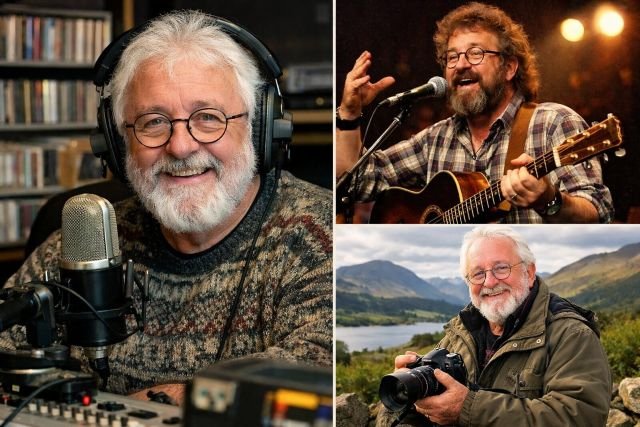
If you’ve searched mike harding comedian, you’re probably trying to connect a few dots: the quick-witted Northern storyteller from the clubs, the trusted voice who helped bring folk and roots music to mainstream radio, and the performer who never quite fit into a single box. Mike Harding’s career is unusual in the best way — part stand-up, part singer-songwriter, part broadcaster, part author—built on the same foundation: sharp observation and the ability to make everyday life feel like a great story.
- Who is Mike Harding?
- Mike Harding comedian roots: the “between songs” jokes that became a signature
- Mike Harding’s radio legacy: BBC Radio 2 and the show that grew the folk audience
- Stage success: why the live show still works
- What Mike Harding is doing now
- Why Mike Harding still matters in 2026: a real-world impact lens
- Common questions (FAQ)
- Conclusion: the Mike Harding comedian legacy in one view
This article walks through his radio legacy, why his live shows have remained so durable, and what he’s been working on in recent years — without turning him into a nostalgia act. Along the way, you’ll get clear answers to common questions (including the BBC Radio 2 chapter), plus practical recommendations if you want to start listening or reading in the right order.
Who is Mike Harding?
Mike Harding is an English comedian, folk singer, broadcaster, and writer whose work blends Northern humour with music and storytelling. He’s widely associated with “The Rochdale Cowboy” era (a hit single that helped push him into national awareness), but the better summary is this: Harding built a long-running career by turning lived experience — Manchester beginnings, working-life graft, and a love of traditional music — into material that feels both personal and universal.
What makes him different from many stand-ups is that the comedy isn’t separate from the music or the voice — it’s the same storyteller speaking through different formats.
Quick note on name confusion: Don’t mix him up with Michael Harding, the Irish writer/broadcaster. If you’re looking for the UK folk-and-comedy Mike Harding, his long-running projects and updates sit under the “mikeharding.co.uk” and “mikehardingfolkshow.com” ecosystem.
Mike Harding comedian roots: the “between songs” jokes that became a signature
Harding’s early career arc is a classic example of a performer discovering what audiences actually want. He came up through folk clubs and local circuits, where he began telling jokes and anecdotes in the gaps between songs — then gradually realised those “connective” stories were becoming the main event. That evolution matters, because it shaped his whole style: conversational delivery, detailed characters, and a knack for making ordinary moments land as punchlines.
If you’ve ever seen a comic who feels like they’re talking with you rather than at you, that’s part of the Harding appeal. His humour often sits in the same lane as Northern storytelling traditions: observational, affectionate, occasionally spiky, and grounded in voice rather than gimmick.
Related LSI terms you’ll see associated with his work: British stand-up, Northern humour, folk comedy, storytelling comedy, BBC radio presenter, folk broadcaster, Rochdale Cowboy, Manchester comedian.
Mike Harding’s radio legacy: BBC Radio 2 and the show that grew the folk audience
The Mike Harding Show and why it mattered
Harding presented BBC Radio 2’s weekly folk/roots/acoustic programme for 15 years, and accounts from his own official biography describe a remarkable audience growth: from under 100,000 to almost a million listeners during his tenure.
That scale matters for SEO-style “why should I care?” reasons, but it matters more culturally: folk and roots music tend to survive through scenes, clubs, and festivals. A mainstream radio slot—fronted by someone who really understood the ecosystem — can materially change careers by moving an artist from “beloved niche” to “nationally discoverable.”
The 2012 exit (and why people still talk about it)
Harding’s last BBC Radio 2 show aired on 26 December 2012.
The departure became contentious in the press and among listeners, with coverage framing it as a sacking and reflecting broader debates about the station’s direction.
“Life after Aunty”: creating an independent folk show
Four days after that final BBC broadcast, Harding launched The Mike Harding Folk Show online (a weekly programme available as a stream and podcast). In his own words on the show’s “About” page, the point was simple: keep making the kind of programme the audience wanted, just without the old broadcast gatekeepers.
If you’re trying to understand his legacy in one sentence: he helped build a mass audience for folk on mainstream radio, then used the internet to keep serving that audience on his own terms.
Stage success: why the live show still works
Not just stand-up—storycraft
Harding’s stage appeal isn’t about chasing trends; it’s about craft. A lot of modern stand-up optimises for clipability: short bits, hard punches, quick cuts. Harding’s work often goes the other way—longer arcs, character turns, vivid detail — and that’s exactly why it translates well to theatres, arts centres, and “an evening with…” formats.
The “musician-comedian” advantage
When a performer can shift gear from joke to song to story, they control pacing in a way a pure stand-up can’t. It’s not a novelty — done well, it feels like a single, coherent show rather than a set with musical breaks.
A practical “how to watch” tip
If you’re new to him and want the most representative experience:
- Start with an episode of the independent folk show to get his “broadcast voice” and curatorial style.
- Then watch/listen to a live storytelling performance (many events frame him as a poet/storyteller as much as a comedian).
- Finally, dip into the older BBC-era context once you already like the tone — otherwise it can feel like “homework.”
What Mike Harding is doing now
Harding has continued working across writing, live appearances, and his independent broadcasting presence.
Recent writing: new books and limited editions
On his official site, Harding announced new books to be published in 2025, describing a plan to release six smaller, limited-edition titles, printed in runs of 250 numbered and signed copies.
That detail tells you something important about “what he’s doing now”: he’s still producing new work, but he’s leaning into direct-to-audience publishing—more personal, more curated, and less dependent on large publishers.
Public events and live storytelling appearances
Harding has also appeared on event listings as a storyteller/poet sharing work from his “Tales from the North” books, including a listed December 18, 2025 event at The Portico Library in Manchester.
That’s a strong signal that his current phase isn’t only about “touring as a legacy act”—it’s about presenting new material in literary and cultural spaces, not just comedy rooms.
The ongoing independent show ecosystem
His “Life after Aunty” explanation makes it clear he views the independent show as a continuation of the mission: spotlight music that matters, maintain depth, and serve a dedicated community without mainstream constraints.
Why Mike Harding still matters in 2026: a real-world impact lens
Here’s the simplest way to frame his relevance for today’s readers:
- He’s an early model of “creator independence.”
Long before “podcast-first” became default, he pivoted to direct distribution and kept control of his format and taste. - He treats folk as living culture, not museum culture.
Audience growth claims from his biography suggest he didn’t just preach to the converted—he expanded the tent. - He demonstrates how comedy ages well when it’s built on storytelling.
Trends shift fast; stories don’t, as long as the voice is authentic.
Common questions (FAQ)
What is Mike Harding best known for?
He’s best known as a comedian-storyteller and folk broadcaster, including his long run presenting BBC Radio 2’s folk programme (1997–2012) and his continued independent folk show online.
Did Mike Harding leave BBC Radio 2, or was he sacked?
Reporting at the time framed it as a sacking/forced departure, and it became a widely discussed decision among listeners and media commentators. His final BBC show was 26 December 2012.
What is The Mike Harding Folk Show?
It’s Harding’s independent weekly folk programme, launched online shortly after his final BBC Radio 2 broadcast, available for listening and as a podcast archive.
Is Mike Harding still performing or releasing new work?
Yes. His official site documents new book releases planned for 2025, and event listings show live storytelling appearances tied to his recent writing.
Conclusion: the Mike Harding comedian legacy in one view
The lasting story of mike harding comedian isn’t just “a funny guy who played folk songs.” It’s the arc of a performer who helped grow a major audience for folk and roots music on BBC Radio 2, then proved he didn’t need mainstream infrastructure to keep doing meaningful work — pivoting into an independent show and continuing to publish and appear as a storyteller and author.
If you’re discovering him for the first time, start with the independent folk show to hear the voice and values, then move to the stage storytelling and recent books. If you already know him, the most “current” chapter is clear: Harding is still creating — just with more control, more direct connection to his audience, and a continued commitment to stories that sound like real life.