


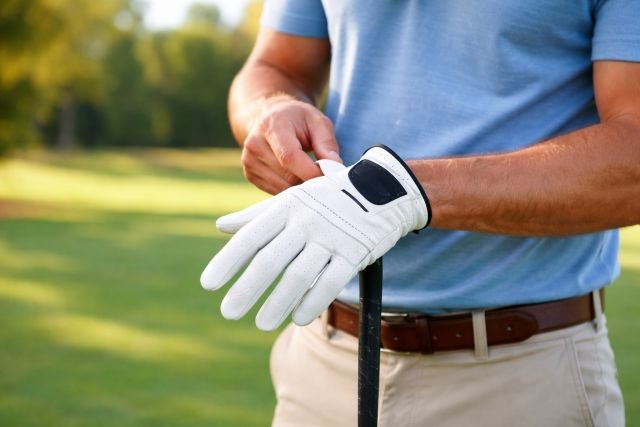
If you’ve ever stood in a pro shop holding two gloves and wondered which one is “right,” you’re not alone. The good news is the rule is simple, and once you understand the “why,” you’ll never second-guess it again. A right handed golfer wears glove on the left hand — the lead hand that sits at the top of the grip.
- Which hand should a right-handed golfer wear a glove on?
- Why the glove goes on the lead hand (not the dominant hand)
- The biggest confusion: “Right-hand glove” labels and what they really mean
- Do you ever wear a glove on the right hand as a right-handed golfer?
- Why many golfers take the glove off to putt (and sometimes chip)
- How a golf glove should fit (and why most golfers get it wrong)
- Material choices: leather vs synthetic vs hybrids
- Real-world scenarios: how the correct glove hand changes your shots
- Common questions
- Conclusion: the proper hand, finally made simple
That single detail matters more than people think. The glove isn’t a fashion accessory; it’s a performance tool that helps you control the club with less tension, keep the face stable through impact, and protect your skin from friction. Brands even design gloves and materials specifically to increase grip friction and reduce slipping, especially when sweat or humidity shows up.
In this guide, you’ll learn the proper hand for a glove, the real reasons it works, the most common buying mistake golfers make, and how to get the fit right so the glove actually improves your swing instead of getting in your way.
Which hand should a right-handed golfer wear a glove on?
A right-handed golfer should wear a glove on the left hand.
That left hand is your lead hand (top hand on the club for a right-handed stance). It plays an outsized role in controlling the clubface and keeping the handle secure when speed, sweat, or pressure spikes. Many golf glove guides summarize this same rule: glove goes on the lead (non-dominant for most people) hand — left hand for right-handed golfers, right hand for left-handed golfers.
Quick definition for featured snippets
Right handed golfer wears glove: A right-handed golfer typically wears a golf glove on the left (lead) hand to improve grip friction, control, and comfort.
Why the glove goes on the lead hand (not the dominant hand)
Most golfers assume the glove belongs on the dominant hand because “that hand is stronger.” But golf isn’t just about strength — it’s about connection and control. The lead hand is the one that anchors the grip at the top and helps guide the club’s position throughout the swing.
Grip friction is the real performance upgrade
The simplest explanation is friction. A golf glove increases the friction between your hand and the grip, helping you hold the club securely without squeezing the life out of it. That matters because when golfers feel the club might slip, they instinctively tense up — especially in the hands and forearms—and tension tends to leak into the swing. FootJoy explains the core idea clearly: gloves help create a stronger, more secure grip, particularly when weather, temperature, or moisture makes the handle slick.
If you like the science angle: models of grip force highlight how friction (the coefficient of friction between hands and the handle) affects how much force you need to apply to keep the club stable. More friction generally means you can maintain control with less squeeze.
Lead-hand stability shows up when it counts
Right before and through impact, what happens in your hands changes fast. Research and instrumented-grip discussions often point to differences in how lead and trail hand pressure behave through the swing, reinforcing why golfers prioritize a secure lead-hand connection.
Even without getting overly technical, you can feel this yourself: make a few practice swings with slightly sweaty palms. The hand most likely to feel “unsafe” on the club is usually the lead hand at the top, because it’s managing leverage and steering.
The biggest confusion: “Right-hand glove” labels and what they really mean
Here’s a common pro-shop trap:
- A glove labeled for the right hand is usually designed to be worn on the right hand—which typically suits a left-handed golfer (since a lefty’s lead hand is right).
- A glove designed to be worn on the left hand is what most right-handed golfers buy.
So if you’re right-handed and you want the standard setup, you’re usually shopping for a left-hand glove (because it goes on your left hand). Many glove-orientation guides warn that this labeling mistake is one of the most common reasons people walk out with the wrong glove.
Do you ever wear a glove on the right hand as a right-handed golfer?
Yes—but it’s the exception, not the rule.
When a right-handed golfer might glove the right hand
Some golfers choose a right-hand glove (or even two gloves) in specific situations:
- Cold weather: warmth and comfort can outweigh “feel.”
- Rain or extreme humidity: moisture can make grips slippery; some golfers add coverage for stability.
- Hand protection needs: blisters, skin tears, or medical reasons.
There’s no rule that you can’t. In fact, golf’s equipment rules allow gloves; what matters is that they conform to the equipment requirements (gloves are generally permitted as standard apparel/equipment).
That said, most golfers keep the trail hand (right hand for right-handed players) bare because they want maximum feel — especially for finesse shots and putting.
Why many golfers take the glove off to putt (and sometimes chip)
You’ll notice plenty of skilled players remove the glove on the green. The reason is feel: putting is a low-force stroke where micro-feedback matters more than grip security.
A glove adds a thin layer between your skin and the grip. That layer is great for full swings where friction and stability matter, but some players prefer direct contact for putting distance control. This is personal preference, but it’s common enough that you’ll see it everywhere — from club golfers to elite amateurs.
If you’re unsure, test it with a simple drill: hit 10 putts with the glove on, then 10 with it off, and compare your distance control. Keep whichever version helps your speed feel more consistent.
How a golf glove should fit (and why most golfers get it wrong)
Fit is where the glove either becomes a performance boost — or a distraction.
A properly fit glove should feel like a second skin: snug across the palm and fingers, no loose material at the fingertips, and minimal wrinkling. When a glove is too big, it can bunch up, reduce feel, and even increase wear spots in weird areas because your hand shifts inside the glove.
One widely cited industry data point: FootJoy found that upward of 65% of golfers use a glove that’s too large, which can hurt that “second-skin” connection and speed up wear.
Practical fitting tips you can use immediately
Try these checks in the shop:
- Fingertips: you shouldn’t have extra “dead space” at the ends of the fingers.
- Palm: no major wrinkles when you make a fist.
- Closure: Velcro should close comfortably without needing to be yanked to the extreme edge.
- Mobility: you should be able to hinge and flex the wrist without the glove fighting you.
If you’re between sizes, many golfers do better sizing down, especially with leather that relaxes slightly over time.
Material choices: leather vs synthetic vs hybrids
Glove materials aren’t just about price — they change feel, durability, and performance in weather.
Cabretta leather (premium feel)
This is the “tour-feel” option: soft, tacky, and responsive. Many golfers love it because it provides strong grip feedback and a clean connection. The trade-off is durability — especially if you practice a lot or sweat heavily.
Synthetic (durability and consistency)
Synthetics tend to last longer and handle moisture better. They can feel slightly less “buttery,” but they’re often more forgiving if you play in mixed conditions.
Hybrid designs (best of both)
Many modern gloves blend leather palms with synthetic backs for breathability and movement. If you want one glove to do almost everything, hybrids are an easy choice.
Regardless of material, the performance goal is the same: improve friction, reduce slipping, and protect your skin. Manufacturers consistently emphasize that grip security is the primary reason most golfers wear a glove.
Real-world scenarios: how the correct glove hand changes your shots
Let’s make this practical. Here are three situations where “right handed golfer wears glove on left hand” stops being trivia and starts being useful.
Scenario 1: Sweaty hands on the back nine
Your hands get slick, the club starts to feel unstable, and your grip pressure climbs. A left-hand glove gives you more friction exactly where the club can rotate and wobble: the lead-hand connection at the top. More friction lets you hold the club securely with less squeeze, which often helps your swing stay loose.
Scenario 2: You’re fighting a slice
A slice isn’t “caused” by the glove, but losing stability in the lead hand can make face control worse. If your lead hand slips or you re-grip mid-swing, timing becomes messy. A properly fit glove on the left hand reduces that chance.
Scenario 3: You’re getting blisters in practice
Blisters commonly show up where friction is repeated and concentrated. Gloves are widely used to reduce blister formation because they act as a barrier between skin and grip.
If you’re blistering even with a glove, it’s often a fit issue (too big) or a grip-pressure issue.
Common questions
Which hand does a right-handed golfer wear a glove on?
A right-handed golfer typically wears a glove on the left hand (the lead hand).
Should beginners wear a golf glove?
Most beginners benefit from wearing one because it improves grip security and helps prevent blisters while you build a consistent grip.
Can you wear two golf gloves?
Yes. It’s allowed, and some golfers prefer two gloves in rain, cold, or if they need extra protection. Equipment rules generally permit gloves as standard equipment/apparel as long as they conform.
Do golf gloves actually improve performance?
Research on golf gloves and performance variables supports the idea that gloves can increase friction between hand and club and may positively influence performance factors, aligning with what manufacturers claim.
Why do some golfers not wear a glove at all?
Some golfers prefer maximum feel, play in dry conditions, or simply like the direct connection. Many still keep a glove in the bag for humid, hot, or wet rounds.
Conclusion: the proper hand, finally made simple
Let’s lock it in. A right handed golfer wears glove on the left hand — the lead hand at the top of the grip. That placement improves friction and stability, helps you control the club with less tension, and protects your skin during repetitive swings.
If you take only one action after reading this, make it this: check your glove fit. With evidence suggesting many golfers wear gloves that are too big, getting a snug, “second-skin” fit can be the fastest way to make your glove feel like an advantage instead of an annoyance.