

If you’ve been shopping around for a ceramic coating, you’ve probably noticed something confusing fast: ceramic coating quotes can be all over the place. One shop says $700, another says $1,800, and a third won’t give a number until they inspect your paint.
- What ceramic coating is, in simple terms
- The realistic ceramic coating price range most people encounter
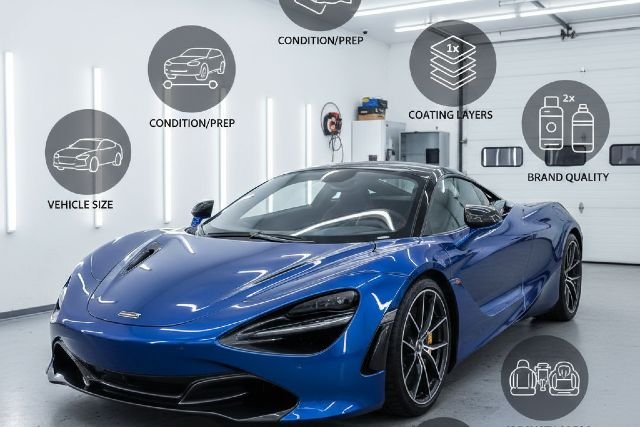
- Factor 1: Vehicle size and surface complexity
- Factor 2: Paint condition and the amount of correction needed
- Factor 3: Coating type and product system
- Factor 4: What surfaces are included in the package
- Factor 5: Warranty length and warranty requirements
- Factor 6: Installer skill, shop reputation, and quality control
- Factor 7: Local labor rates and your environment
- How to compare ceramic coating quotes without getting fooled
- Is ceramic coating worth the price?
- Real-world scenarios that explain why prices differ
- FAQ: Ceramic coating price, answered for featured snippets
- Conclusion
That doesn’t automatically mean anyone is lying. Ceramic coating is one of those services where price is shaped by preparation, skill, and time. You’re not only paying for the coating itself. You’re paying for the hours spent correcting paint, controlling the environment, and applying the product properly so it cures evenly and performs the way it’s supposed to.
In this guide, you’ll learn what ceramic coating is, what a realistic ceramic coating price range looks like, and the seven biggest factors that change the cost. You’ll also see how to compare quotes fairly, what questions to ask, and whether ceramic coating is actually worth it for your situation.
What ceramic coating is, in simple terms
Ceramic coating is a liquid polymer, often built around SiO₂ chemistry, that bonds to the vehicle’s exterior surface. Once cured, it forms a durable layer that enhances gloss and makes the surface more resistant to contamination and easier to clean than unprotected paint. Many professional systems are positioned as multi-year protection options, while consumer “spray ceramic” products are typically shorter-lived and easier to apply.
This distinction matters because pricing tends to follow durability, prep requirements, and labor time.
The realistic ceramic coating price range most people encounter
Most professional ceramic coating quotes start around the high hundreds and can climb into the low thousands, depending on vehicle size and the amount of paint correction required. Autotrader describes pricing around $800 for smaller vehicles and notes that broader “all exterior surfaces” packages can land around $1,350 to $2,000 or more.
If you’ve seen quotes above that, it’s often tied to extensive correction work, larger vehicles, premium coating systems, or warranty-driven packages from certain installer networks.
The most important idea to keep in mind is that ceramic coating price isn’t just product cost. It’s a labor-heavy detailing service.
Factor 1: Vehicle size and surface complexity
Bigger vehicles take longer because they have more surface area and more sections to prep and coat. A compact coupe generally needs fewer labor hours than a full-size SUV, a three-row family vehicle, or a pickup with a bed and larger flat panels. Surface complexity matters too. Deep grills, sharp styling lines, vents, and aggressive bumpers create more edges and tight areas where polishing and leveling coating requires extra time.
This is why two vehicles that look “similar size” at a glance can still price differently if one has a more complicated exterior design.
Factor 2: Paint condition and the amount of correction needed
Paint condition is one of the biggest reasons ceramic coating price varies so much. If your paint is already in excellent shape, prep time is lower. If it has swirl marks, haze, oxidation, water spotting, etching, or deeper scratches, the shop may recommend paint correction before applying the coating.
Paint correction can require one or multiple polishing steps depending on how severe the defects are. The more defects you want removed, the more time an installer will spend polishing panel by panel. Many professional explanations of paint correction note that costs can vary widely because the work is labor intensive and depends on defect severity and how perfect you want the finish.
A practical rule is that ceramic coatings tend to preserve what’s underneath. If you apply a coating over defects, you may end up with a shinier version of the same swirls. That’s why reputable shops emphasize prep and correction as the foundation of a great coating job.
Factor 3: Coating type and product system
Not every product marketed as “ceramic” performs the same. Consumer spray ceramics can produce impressive water beading and gloss, but they are generally positioned as shorter-term options. Professional coatings often involve more controlled application, stricter wipe-down timing, and longer curing steps, which pushes labor time and cost upward.
Road & Track’s product testing coverage is a useful reference point for how consumer-focused ceramic sprays are discussed differently than higher-end or more professional-oriented coatings, especially around expectations for durability and maintenance.
If a shop is using a pro-only system that requires training or certification, the price may reflect both the product tier and the level of expertise expected to apply it correctly.
Factor 4: What surfaces are included in the package
This is where many quotes become misleading if you don’t ask what is actually being coated. One quote may cover only painted panels. Another may include wheels, glass, exterior trim, headlights, and even door jambs.
When you see big price gaps, it’s often because one package is paint-only while another is effectively “full exterior.” Autotrader notes that adding areas like wheels, glass, and trim can increase the overall cost by several hundred dollars depending on the scope.
To compare fairly, you want to confirm exactly what surfaces are included and whether wheels are faces-only or include barrels, since barrels add meaningful time.
Factor 5: Warranty length and warranty requirements
Some ceramic coatings are sold with warranties, often tied to the brand and installer network. Longer warranties can raise ceramic coating price because the package may involve additional layers, documentation steps, and required maintenance intervals to keep the warranty valid.
What matters most is what the warranty actually covers. Some warranties focus on coating failure under certain conditions and may require scheduled inspections or maintenance washes. A longer warranty can be valuable if you plan to follow the care requirements, but it can be a poor value if you won’t keep up with them.
If a shop advertises a multi-year warranty, it’s smart to ask how warranty claims work, what counts as failure, and whether labor is covered or only product.
Factor 6: Installer skill, shop reputation, and quality control
Ceramic coating is a skill-driven service. Experienced installers typically spend more time inspecting paint under proper lighting, performing clean prep steps, leveling the coating evenly, and avoiding issues like high spots or streaking. That extra attention takes time, and labor time is the main driver of price.
This doesn’t mean expensive always equals better, but extremely cheap quotes can indicate that steps are being skipped. Common shortcuts include minimal decontamination, little to no polishing, rushed leveling, or insufficient cure time. Those shortcuts can lead to a coating that looks good for a few weeks, then underperforms when real-world washing and weather hit.
Factor 7: Local labor rates and your environment
Your city matters. A shop in a high-cost metro area typically has higher rent and labor costs, and pricing reflects that. Your environment can also influence prep time. Vehicles exposed to coastal salt, heavy industrial fallout, intense sun, or harsh winter road chemicals often need more decontamination and may show more paint damage that requires correction.
That’s why two identical cars can receive very different ceramic coating price quotes in different regions, even when the service quality is comparable.
How to compare ceramic coating quotes without getting fooled
A ceramic coating quote only makes sense when you understand what’s included. The most useful comparison method is to focus on prep time, correction level, coating system, and surfaces coated.
Ask whether paint correction is included, and if yes, whether it’s a quick enhancement polish or a more intensive multi-step correction. Ask what surfaces are coated, and whether wheels include barrels. Ask how long the vehicle will be at the shop, since same-day jobs are sometimes limited in prep time and cure time. Then ask what aftercare is required and whether the shop provides a first wash or maintenance plan.
If a shop can’t clearly explain the process, the quote is hard to trust, no matter how attractive the number looks.
Is ceramic coating worth the price?
For many drivers, yes, but only when expectations are realistic. Ceramic coating is worth it if you want easier washing, better gloss retention, and longer-term protection compared to traditional waxes or sealants. It’s especially appealing for daily drivers where you want the car to look consistently clean with less effort.
It is not a magic shield that prevents scratches, and it won’t replace proper washing technique. A coating can reduce how strongly grime sticks and help prevent some minor chemical damage, but improper washing can still introduce swirls.
The best way to evaluate value is to match the package to your habits. If you wash your car properly and maintain it, a professional coating is more likely to deliver long-lasting performance. If you rarely wash the car and it lives in harsh conditions, you may still benefit, but you should think of it as a protective aid rather than a set-and-forget solution.
Real-world scenarios that explain why prices differ
Imagine two identical vehicles, same year and model. One is garage-kept and hand-washed carefully. The other went through automatic brushes for two years and has water spots from sprinklers. The second vehicle will almost always require more correction time, which increases price, even if the coating product is identical.
Now compare a sedan receiving paint-only coating to a large SUV receiving coating on paint, wheels, glass, and trim. Even if both are called “ceramic coating,” the labor and product use are dramatically different, so the price should be different.
Understanding these scenarios helps you spot whether a quote is fair or just vague marketing.
FAQ: Ceramic coating price, answered for featured snippets
How much does ceramic coating cost?
Ceramic coating price for professional installation often starts around the high hundreds and can reach a few thousand dollars depending on vehicle size, paint correction needs, and what surfaces are included. Autotrader cites around $800 for smaller vehicles and $1,350 to $2,000 or more for broader exterior packages.
Why is ceramic coating so expensive compared to waxing?
The cost is mostly labor. A quality ceramic job includes washing, decontamination, polishing or paint correction when needed, careful application, and cure time. Waxing is faster and usually doesn’t include the same level of prep.
Do I need paint correction before ceramic coating?
Not always, but it’s strongly recommended if your paint has visible swirls, haze, oxidation, or water spots. Coating can preserve what is already on the surface, so correction improves the final look and helps you get the value of the coating.
How long does ceramic coating last?
Longevity depends on the product type and how the car is maintained. Consumer spray ceramics are often positioned as shorter-term protection, while professional coating systems are commonly marketed as multi-year solutions.
Can I apply ceramic coating myself to save money?
You can reduce cost by doing it yourself, but you trade money for time and risk. Prep mistakes or uneven leveling can leave high spots or streaks that may require professional correction later.
Conclusion
Ceramic coating price makes a lot more sense when you see what drives it. Vehicle size, paint condition, coating system, surfaces included, warranty structure, installer skill, and local market costs are the seven factors that explain most of the variation you’ll see in quotes.
If you want the best value, choose a package based on the prep and the outcomes you want, not just the cheapest number. A properly prepped and professionally applied coating can deliver a glossy finish, easier washes, and longer-lasting protection, but the result depends on the process behind the quote.
If you share your vehicle type, whether it’s new or used, and whether your paint has visible swirls or water spots, I can help you estimate a realistic ceramic coating price range and what level of prep you should prioritize.