

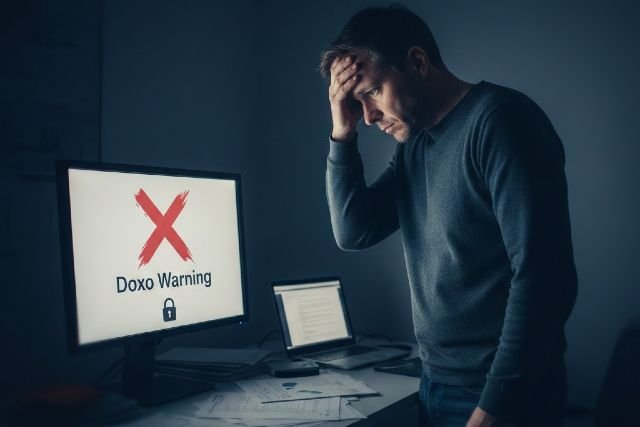
A growing number of consumers are searching for information about the Doxo Warning after seeing alerts from utility companies, government offices, and service providers. In the first hundred words, it is important to clarify that the Doxo Warning usually refers to notices advising customers not to use third-party payment websites when paying bills. Although Doxo is a legitimate bill-pay platform, many organizations do not partner with it, which can lead to payment delays or additional processing steps. This article offers a detailed look at why the Doxo Warning exists, how to stay safe when paying bills online, and what every user should know about navigating digital payments responsibly.
- Understanding the Meaning Behind the Doxo Warning
- Why Many Companies Issue a Doxo Warning
- The Role of Third-Party Payment Platforms in the Digital Age
- Doxo Warning and Customer Safety: What You Need to Know
- Common Issues That Lead to the Doxo Warning
- How to Verify an Official Payment Website Instead of a Third-Party Site
- Why SEO and Paid Ads Contribute to the Doxo Warning Confusion
- Is It Ever Safe to Use Third-Party Bill-Pay Platforms?
- Modern Consumer Behavior and the Importance of Payment Awareness
- Conclusion
Understanding the Meaning Behind the Doxo Warning
The phrase Doxo Warning appears frequently on official websites for utilities, banks, and municipal services. These warnings typically alert customers that the provider does not partner with third-party payment services. When a company does not have a direct relationship with a payment platform, payments may take longer to arrive or may not carry real-time confirmation.
The Doxo Warning is less about the platform itself and more about misalignment between third-party bill pay services and the company you’re trying to pay. Service providers want customers to use their official payment portals so they can ensure timely processing, avoid extra handling fees, and maintain secure communication channels.
According to the Federal Trade Commission (FTC), the safest method for paying bills online is to use the official website or portal provided directly by your service provider. This guidance applies broadly and is not specific to any one company.
Why Many Companies Issue a Doxo Warning
Many organizations issue a Doxo Warning because customers sometimes mistakenly believe third-party bill-pay sites are official payment portals. This confusion often comes from advertisements or search engine listings that appear above the company’s actual website.
When a customer pays a bill through a third-party site without knowing the company does not partner with them, several issues can occur:
Payment posting delays
Unexpected fees
Difficulty confirming payment
Communication mismatches between platforms
These challenges have motivated many service providers to publish Doxo Warnings as a way to help customers avoid unintentional problems.
A study published by the Journal of Cybersecurity highlights rising concerns about third-party payment misunderstandings and emphasizes the need for consumer education around digital billing.
The Role of Third-Party Payment Platforms in the Digital Age
Third-party platforms like Doxo emerged as convenience tools for users who want to manage multiple bills in one place. While these platforms are legitimate businesses, they operate independently from most service providers. This independence can sometimes cause confusion for users who assume the platforms are officially endorsed.
It’s important to remember that third-party services sit between the customer and the actual company, which means the payment delivery path is different from paying directly.
Online payment behaviors have evolved significantly. Research from the Pew Research Center shows that over 50% of U.S. adults pay bills online, but many do not fully understand the difference between direct providers and intermediaries. The Doxo Warning helps highlight this gap in understanding.
Doxo Warning and Customer Safety: What You Need to Know
Safety is a major theme behind the Doxo Warning. While Doxo is not fraudulent, users need to be cautious when:
Searching for payment portals
Clicking ads instead of official links
Entering billing information into unfamiliar websites
These behaviors can expose users to the risk of landing on a look-alike site, which is a completely different safety concern unrelated to Doxo itself. Criminals sometimes mimic payment portals to steal financial information, and users must stay aware of this risk.
The FTC strongly recommends verifying URLs before entering any financial details. This recommendation applies to all payment websites, not just those mentioned in Doxo Warnings.
Common Issues That Lead to the Doxo Warning
The Doxo Warning usually appears because of recurring user misunderstandings. For example, some municipal utilities report customers calling to ask why their payments are late—only to discover they paid through a third-party unintentionally. Because third-party payments can take extra days to process, users experience confusion and frustration.
These issues reinforce why companies publish warnings: they want customers to avoid delays, fees, and miscommunication.
Case example:
A customer pays their water bill through a third-party platform believing it is official. The company doesn’t receive the payment until several days later. The customer is charged a late fee, even though they paid before the deadline. While the third-party site processed correctly, the timing discrepancy created a negative experience.
Scenarios like this show why companies encourage users to pay directly through their own website.
How to Verify an Official Payment Website Instead of a Third-Party Site
One of the main goals behind the Doxo Warning is to help users recognize an official payment page. Companies encourage consumers to:
Check the company’s official domain name
Navigate to the website manually instead of through ads
Look for secure HTTPS encryption
Use links printed directly on statements
Use mobile apps published by the provider
Following these practices empowers users to avoid confusion while keeping their financial information safe. According to cybersecurity guidelines from CISA, verifying domain authenticity is one of the most effective ways to protect online payments.
Why SEO and Paid Ads Contribute to the Doxo Warning Confusion
Search engines often display ads above organic search results. Sometimes a third-party payment site appears above a company’s official link. Users who are in a hurry may click the first visible result without checking the URL.
Many organizations include the Doxo Warning on their website to prevent this exact scenario.
It’s not uncommon for third-party sites to purchase ad placements using the name of the company customers are trying to pay. Although this practice is legal from an advertising perspective, it often creates confusion about what is “official.”
Experts from the Nielsen Norman Group note that design patterns, search rankings, and user attention bias all contribute to mistaken clicks when users are not paying close attention.
Is It Ever Safe to Use Third-Party Bill-Pay Platforms?
Yes, third-party platforms can be safe to use when the user understands the relationship between the platform and the service provider. Some companies do partner with multi-bill services, but many do not.
The key is knowing whether the provider explicitly supports the platform.
If a platform is not officially endorsed, it does not automatically mean it’s unsafe—it simply means:
Payments may take longer
Payment confirmations may not sync
Customer support may not be connected
The Doxo Warning encourages consumers to confirm platform partnerships before relying on them for regular payments.
Modern Consumer Behavior and the Importance of Payment Awareness
Digital payments are now a normal part of daily life. Consumers benefit from paying bills online, but awareness and verification are essential. When users follow guidance inspired by the Doxo Warning, they build stronger digital habits that serve them across all platforms.
Payment awareness includes:
Understanding where your data is going
Knowing whether a platform is an intermediary
Checking how long payment processing takes
Reviewing whether fees apply
These habits support responsible and stress-free online transactions.
Conclusion
The increased visibility of the Doxo Warning reflects an important shift in consumer awareness, online payment education, and digital safety. While Doxo itself is a legitimate third-party bill-payment service, many companies issue warnings simply because they do not partner with third-party platforms and want customers to avoid delays or confusion. Understanding the Doxo Warning helps users make smarter, safer financial decisions. By verifying official websites, avoiding unfamiliar links, and following cybersecurity best practices, consumers can protect their payments and navigate the digital world with far more confidence.