

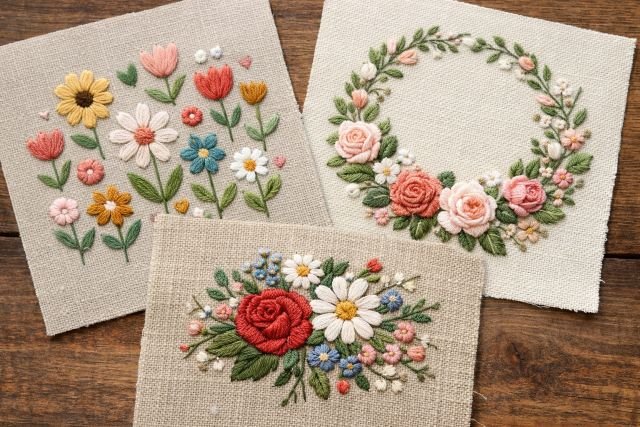
If you’re hunting for a flower embroidery pattern that feels fresh (but still timeless), you’re in the right place. Floral motifs are one of the easiest ways to make hand embroidery look intentional and “finished,” whether you’re stitching a tiny daisy on a pocket or building a full bouquet hoop for the wall.
- Why flower embroidery patterns keep trending
- Flower embroidery pattern basics that make any floral design look “right”
- Cute flower embroidery pattern inspiration
- Modern flower embroidery pattern inspiration
- Classic flower embroidery pattern inspiration
- Cute vs modern vs classic: how to choose the right style fast
- Stitches that suit flower embroidery patterns
- Color palette ideas for every flower embroidery pattern style
- How to scale a flower embroidery pattern for clothing vs hoops
- FAQ answers for featured snippets
- Conclusion: pick a flower embroidery pattern that matches your vibe
The fun part is that flowers aren’t one style — they’re a whole language. With a few smart choices in stitch, spacing, color, and outline, the same floral idea can become cute and playful, sleek and modern, or richly traditional. And because embroidery is tactile, you can push personality into every petal: glossy satin stitches, airy outlines, or textured knot centers.
In this guide, you’ll get flower embroidery pattern inspiration across three major aesthetics — cute, modern, and classic—plus practical tips for choosing stitches, planning color palettes, and composing florals that look balanced on fabric.
Why flower embroidery patterns keep trending
Flowers work because they’re instantly recognizable at almost any detail level. A few curved lines and dots can read as a blossom, which means beginners can succeed quickly while advanced stitchers can explore shading, texture, and realism.
Embroidery is also fueled by personalization. Multiple market outlook reports describe growth drivers such as demand for customized products and the rise of e-commerce, which helps explain why floral designs keep evolving and staying visible online.
Flower embroidery pattern basics that make any floral design look “right”
A good floral isn’t just pretty petals. It has structure that guides the eye and keeps the piece from feeling messy.
Start with shape language. Round petals and compact clusters usually read cute. Angular leaves and open spacing read modern. Dense layering and decorative fills read classic.
Next, decide your line strategy. Bold outlines make flowers graphic and readable at small sizes. No outline, or a very light outline, makes designs feel soft and more natural.
Finally, pick a texture plan. If everything is textured differently, the design can feel noisy. If you choose one “signature texture” and repeat it—like French knot centers across every bloom—your florals look cohesive even if the flower shapes vary.
If you want a reputable stitch reference for technique, history, and structure, the RSN Stitch Bank is one of the strongest free libraries available.
Cute flower embroidery pattern inspiration
Cute florals are all about clarity at small sizes. They’re ideal for patches, pockets, tote bags, kids’ items, and quick gifts because they read well from a distance and don’t need complex shading to look finished.
Cute flower embroidery pattern idea: kawaii micro-blooms
Think tiny daisies, puffy tulips, and dot-style lavender. This style depends on simple shapes and friendly proportions.
A reliable approach is to make the center slightly larger than you think you should. That exaggerated proportion is one reason “cute” flowers look intentional rather than accidental.
A daisy in this style usually feels complete with petals that are slightly rounded and evenly spaced, plus a textured center that catches light.
Cute flower embroidery pattern idea: sticker-style florals with bold outlines
This looks like a digital sticker translated into thread: thick outlines, flat fills, minimal detail. It works well on denim and canvas because the graphic edge holds up visually on heavier fabric.
The key is consistency. If you outline one flower, outline them all. If you use thick line weight, keep it thick throughout the design.
To add “shine” without getting complicated, you can place a small highlight stitch on a petal or leaf. Even a tiny line can give the whole flower a polished look.
Cute flower embroidery pattern idea: mini bouquets with confetti filler
A cute bouquet doesn’t need realism. It needs variety and spacing.
One good method is to pick one “hero flower” shape, then add one smaller flower shape, then sprinkle tiny filler dots or knots to tie everything together. The filler makes the bouquet look complete without requiring extra complicated elements.
When placing the bouquet, give it breathing room. Cute designs feel better when they aren’t packed edge-to-edge.
Modern flower embroidery pattern inspiration
Modern florals focus on negative space, limited palettes, and intentional composition. This style looks especially good on linen clothing, minimalist wall hoops, and contemporary home décor.
Modern flower embroidery pattern idea: single-line floral sketches
Single-line florals feel elegant because they’re restrained. They also stitch up quickly, which makes them great for small clothing embellishments.
The secret is smooth curves and even tension. If the line looks shaky, the whole design looks less modern. Keep the line clean and confident, and let the fabric become part of the design.
This style looks strongest when you use one thread color and resist the urge to “fill.” The openness is the point.
Modern flower embroidery pattern idea: geometric florals
Geometric florals use repeated arcs, circles, or symmetrical leaf pairs. They feel modern because they’re structured and intentional rather than “natural.”
If you sketch a light guide first, you can keep petals evenly spaced and make the final stitchwork feel very satisfying. The design reads almost like a logo: simple, balanced, and deliberate.
Modern flower embroidery pattern idea: abstract wildflowers with purposeful space
If single-line is too minimal, abstract wildflowers are a great middle ground. You can still keep a modern vibe with a tight palette and plenty of open fabric around the blooms.
A helpful mindset is “less but better.” Use fewer flower types, repeat them, and keep spacing consistent. Modern embroidery often looks better when every element earns its place.
Modern flower embroidery pattern idea: botanical specimen layouts
Instead of bouquets, imagine a museum print where each stem has its own space. This arrangement looks modern because it’s calm and organized.
It also photographs well, which matters if you plan to share your stitching online or sell finished pieces. The layout gives the eye a clear path.
Classic flower embroidery pattern inspiration
Classic florals bring fullness: layered petals, varied stitch textures, and traditional composition. They suit framed hoops, table linens, cushion covers, and keepsake gifts.
Classic flower embroidery pattern idea: traditional roses with depth
Roses are classic because they naturally show dimension. Even simple roses look impressive when you build just a little value change.
A practical way to make a rose look richer is to use a darker shade toward the petal base and a lighter shade toward the edge. Even two tones can dramatically improve depth without requiring advanced techniques.
Classic flower embroidery pattern idea: wildflower meadows with layered texture
A meadow layout can still feel heirloom when you use layered stitch textures. The mix of soft petals, textured centers, and varied stem directions creates the “alive” feeling people associate with traditional embroidery.
Controlled overlap matters here. Let stems cross and tuck leaves behind petals. That small realism makes the design feel classic and abundant.
Classic flower embroidery pattern idea: vintage floral borders
Borders are timeless because they frame fabric edges naturally. They’re also a strong choice if you want a repeating pattern that looks intentional on towels, napkins, pillowcases, and collars.
The classic look comes from repetition. Repeat one main floral unit, then vary leaf direction or add tiny fillers so the pattern stays interesting without losing its rhythm.
Classic flower embroidery pattern idea: Jacobean-inspired leaves and fills
If you want “classic with drama,” Jacobean-inspired motifs deliver stylized leaves, curling vines, and decorative fills. They look rich because they combine structure with texture.
For exploring decorative stitch options and historic usage, the RSN Stitch Bank is again a credible place to browse stitch structures and examples.
Cute vs modern vs classic: how to choose the right style fast
Cute is the best choice when you want quick readability and playful charm, especially at small scale.
Modern is best when you want clean design, strong negative space, and a contemporary vibe that looks at home on minimalist clothing and décor.
Classic is best when you want an heirloom feeling, fuller composition, and richer texture that rewards close viewing.
If you’re stuck, pick the style based on where the embroidery will live. Clothing usually benefits from cute or modern simplicity. Wall hoops and linens can handle classic detail.
Stitches that suit flower embroidery patterns
You don’t need dozens of stitches to make florals look impressive. What matters is choosing stitches that match your style goal and repeating them consistently.
Petals often look best in smooth stitches if you want polish, or loop-based stitches if you want cuteness and speed. Centers can either be textured for charm and realism, or smooth for a graphic look.
Stems should be chosen based on curves. If your stem is gently winding, a stitch that handles curves well will look more natural. If your stem is straight and graphic, a crisp stitch helps.
Leaves can be treated like petals. Smooth fill looks modern and clean. Shaded fill looks classic and painterly.
If you want a reliable, authoritative place to check stitch structure and variations, the RSN Stitch Bank offers videos, instructions, and background context.
Color palette ideas for every flower embroidery pattern style
Cute palettes typically look best with lighter, sweeter tones and slightly higher contrast so tiny flowers stay readable. Soft petals with a bright center is a simple formula that works often.
Modern palettes usually look best when limited. One color can be striking, and two colors can feel curated. Modern embroidery is less about “pretty colors” and more about intentional restraint.
Classic palettes can handle richer tones and multiple shades in one flower. If you add just one darker value and one lighter value to a color family, you get depth that instantly feels more traditional.
How to scale a flower embroidery pattern for clothing vs hoops
Scaling changes everything. A design that’s perfect in a six-inch hoop can feel crowded on a shirt pocket, and a tiny pocket motif can look lost on a wall.
On clothing, simpler motifs usually win. Long stitches can snag, and dense fills can make fabric stiff, especially on lighter garments. Clean outlines or small fills tend to wear better.
On hoops and wall art, you can build detail because viewers will look closer. Shading, filler, and layering all pay off in framed pieces.
FAQ answers for featured snippets
What is the easiest flower embroidery pattern for beginners?
A small daisy is one of the easiest options because you can make petals with simple looped stitches and build a neat center with a textured knot. It looks polished quickly and scales well for clothing.
What stitches are best for realistic embroidered flowers?
Long-and-short stitch is commonly used for realistic shading because it blends thread colors smoothly across petals and leaves. It’s especially effective when you want a soft gradient rather than a flat fill.
How do I make modern floral embroidery look clean?
Limit your palette, leave more empty fabric than you think you need, and keep linework consistent. Clean tension and smooth curves do more for modern style than adding extra details.
How do I keep satin stitch petals neat?
Stabilize the fabric tightly, outline the shape first, and keep stitch direction consistent. For larger petals, a light guiding line under the fill helps prevent gaps and keeps the edge crisp.
Conclusion: pick a flower embroidery pattern that matches your vibe
The right flower embroidery pattern depends on the look you want and where you’ll stitch it. Cute designs shine when you want simple shapes and fast results. Modern designs look best when you embrace negative space and restraint. Classic designs become keepsakes when you layer texture and build depth.
If you want a dependable way to level up any floral style, focus on consistency: repeat your stitch strategy, keep your palette intentional, and give your composition room to breathe. For technique reference and stitch variations, the RSN Stitch Bank is a credible resource to keep bookmarked as you experiment.