

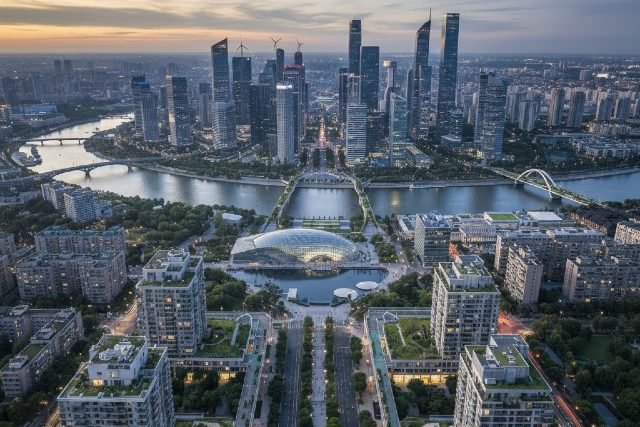
Masterplanning is the backbone of modern urban development, influencing everything from city skylines to community culture. In today’s rapidly evolving urban landscape, masterplanning sets the foundation for how cities grow, interact, and define themselves. Within the first steps of any major urban expansion or renewal project, planners turn to masterplanning as a strategic tool that aligns land use, mobility, sustainability goals, and citizen wellbeing. Its influence extends far beyond architecture; it shapes the very identity and character of a city.
- Understanding Masterplanning and Its Role in Urban Identity
- The Connection Between Urban Design and a City’s Character
- How Masterplanning Shapes Economic and Social Identity
- Masterplanning and Sustainable Urban Identity
- Case Studies: Cities Transformed by Masterplanning
- FAQs: Masterplanning and Modern Cities
- Conclusion: The Future of Cities Depends on Masterplanning
As global populations shift toward urban centers — over 56% of the world’s population now lives in cities, according to the United Nations — the importance of thoughtful, research-driven planning has never been greater. By integrating design, policy, community needs, and innovation, masterplanning becomes a blueprint for a city’s future identity.
Understanding Masterplanning and Its Role in Urban Identity
Masterplanning refers to the long-term strategic development plan that guides a city’s growth. Unlike simple zoning maps, it provides a holistic vision, outlining how districts, infrastructure, public spaces, residential areas, and commercial zones work together. When executed well, the masterplan becomes a city’s narrative — communicating what it values, how it works, and what it aspires to be.
Cities like Copenhagen, Singapore, and Dubai rely heavily on masterplanning to create recognizable identities. Copenhagen’s emphasis on cycling, Singapore’s “City in a Garden” vision, and Dubai’s futuristic skyline didn’t emerge randomly; they were the results of meticulous planning rooted in societal values and economic goals.
In this way, masterplanning is both practical and symbolic. It ensures efficiency and resilience while also expressing the culture and ambitions of a modern urban environment.
The Connection Between Urban Design and a City’s Character
Urban identity is shaped not only by landmarks but by the everyday experience of moving through a city. Streets, parks, transit systems, and mixed-use districts all play pivotal roles. When planners integrate elements like walkability, cultural spaces, and sustainable mobility into the masterplan, they create environments that feel distinctive and familiar.
Research by the American Planning Association shows that walkable cities report stronger community engagement and local economic activity. This is no coincidence — masterplanning is responsible for structuring these walkable frameworks. Through thoughtful design, cities develop neighborhoods that feel cohesive, memorable, and aligned with the lifestyle of their residents.
The incorporation of historical preservation into modern planning also enhances identity. Cities such as Kyoto and Rome demonstrate how blending ancient architecture with contemporary infrastructure creates a unique sense of place that cannot be replicated elsewhere.
How Masterplanning Shapes Economic and Social Identity
A modern city’s identity is increasingly tied to its economic role. For example, Austin’s identity as a tech hub or Rotterdam’s position as a global port city are the results of planning decisions grounded in economic foresight. Masterplanning defines zones for innovation districts, housing density, transport links, and business development, ensuring that economic clusters grow intentionally.
Social identity is also profoundly influenced by masterplanning. The layout of public spaces, inclusion of community amenities, and quality of residential design affect how citizens interact. Cities that prioritize inclusive urban planning — such as Medellín, Colombia — have seen dramatic improvements in safety, mobility, and community pride. Well-planned public infrastructure not only improves daily life but strengthens collective identity.
In many growing cities, masterplans now integrate “15-minute city” principles, ensuring residents can access essential services within a short walk. This not only reduces congestion and emissions but reinforces a sense of neighborhood belonging.
Masterplanning and Sustainable Urban Identity
Sustainability is at the forefront of contemporary masterplanning. According to a World Bank report, cities account for over 70% of global carbon emissions. As a response, planners incorporate green mobility, renewable energy, smart water systems, and climate-resilient infrastructure to reduce environmental impact.
Cities like Singapore illustrate the powerful link between sustainability and identity. The nation’s masterplan includes green roofs, vertical forests, efficient public transit, and widespread parklands — earning it global recognition for eco-friendly design. This identity attracts investment, tourism, and international respect.
By weaving sustainability into the masterplan, cities position themselves as forward-thinking, responsible, and aligned with the needs of future generations.
Case Studies: Cities Transformed by Masterplanning
Barcelona’s Superblocks
Barcelona’s “superblocks” initiative is one of the world’s most celebrated examples of modern masterplanning. Introduced to reduce traffic congestion and improve livability, these multi-street blocks prioritize pedestrians and cyclists. Within a few years, Barcelona saw measurable reductions in pollution and a renewed cultural identity centered on community-oriented public spaces.
Singapore’s Long-Term Vision
Singapore’s Urban Redevelopment Authority (URA) uses a 40-50 year masterplan cycle. This long-term approach has transformed the city from a congested port into one of the world’s most organized metropolises. The inclusion of integrated land use, lush green networks, and efficient transit has played a significant role in shaping the city’s identity as an innovative, sustainable global hub.
Dubai’s Skyline Evolution
Dubai’s identity is deeply linked to its futuristic architecture and economic ambition. The Dubai 2040 Urban Master Plan outlines balanced urban growth, green spaces, tourism zones, and economic corridors. Such strategic planning continues to shape the city’s distinctive global image.
FAQs: Masterplanning and Modern Cities
How does masterplanning influence daily life in cities?
Masterplanning affects how people move, work, and socialize. By determining the placement of parks, transport routes, and housing, it shapes daily routines and overall quality of life. A well-planned city reduces commute times, improves air quality, and fosters stronger community connections.
Why is masterplanning important for future growth?
Without masterplanning, cities grow haphazardly, leading to congestion, inefficiency, and environmental challenges. Strategic planning ensures a city anticipates population growth, economic needs, and climate concerns while preserving its cultural identity.
Can masterplanning help cities become more resilient?
Yes. Masterplanning supports resilience by integrating stormwater systems, green infrastructure, disaster-prepared zones, and eco-mobility networks that help cities adapt to climate change and natural hazards.
Conclusion: The Future of Cities Depends on Masterplanning
Masterplanning remains the cornerstone of modern urban development, guiding how cities evolve and how their identities take shape. By balancing aesthetics, sustainability, mobility, and functionality, masterplanning ensures that cities grow with purpose and resilience. As populations continue to urbanize, cities that adopt visionary, inclusive planning will stand out—economically, culturally, and environmentally. Ultimately, the identity of modern cities is not simply created over time; it is intentionally designed through thoughtful and strategic masterplanning.