


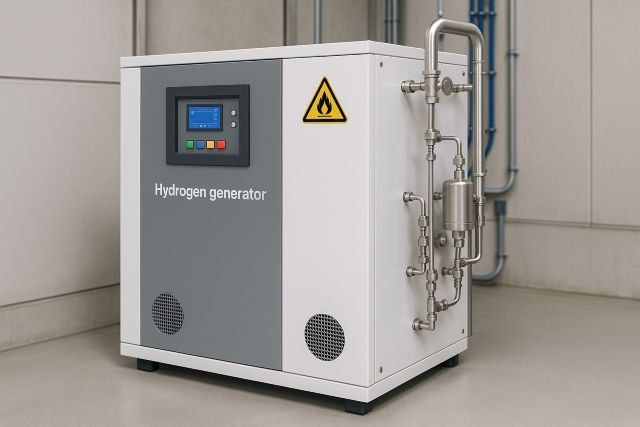
A Hydrogen Generator is becoming one of the most talked-about technologies in the clean-energy world. As industries search for alternatives to fossil fuels, hydrogen is emerging as a powerful, flexible, and efficient solution. During the first few moments of exploring this technology, it becomes clear that a Hydrogen Generator offers far more than just a new energy source. It provides a pathway toward cleaner transportation, reduced emissions, and improved energy efficiency for both homes and businesses.
- Understanding What a Hydrogen Generator Actually Does
- How a Hydrogen Generator Works: A Simple Explanation
- Why Hydrogen Generator Technology Matters Right Now
- Different Types of Hydrogen Generators and Their Uses
- Real-World Example: Hydrogen Generators in Transportation
- Frequently Asked Questions About Hydrogen Generators
- The Future Impact of Hydrogen Generators on Clean Energy
- Conclusion: Why the Hydrogen Generator Matters More Than Ever
Understanding What a Hydrogen Generator Actually Does
A Hydrogen Generator is a device designed to produce hydrogen gas on-demand using a controlled process. The most common method is electrolysis, a reaction that splits water into hydrogen and oxygen using electricity. This method creates hydrogen without combustion, which means the process does not contribute to carbon emissions when powered by renewable energy. Research from the International Energy Agency shows that green hydrogen production could eliminate several gigatons of global CO₂ emissions each year if widely adopted.
Hydrogen Generators are now used in various applications, ranging from automotive fuel systems to industrial equipment. The value of this technology lies not just in its output but also in the ability to produce clean hydrogen without relying on external fuel deliveries. This independence allows businesses and individuals to maintain greater control over energy supply, cost, and environmental impact.
How a Hydrogen Generator Works: A Simple Explanation
The process begins with water entering the system. The Hydrogen Generator applies electrical current to the water, separating it into two elements. Hydrogen gas forms at the cathode, while oxygen forms at the anode. The hydrogen is then collected, filtered, and stored or delivered to whatever device requires it. Each stage of the process is carefully monitored to maintain safety, purity, and efficiency.
Electrolysis may sound complex, but it is a highly predictable and controlled reaction. Modern Hydrogen Generators use advanced membrane technology, pressure regulators, and sensors to maintain consistent performance. These systems adjust automatically to meet varying energy demands, which makes them ideal for industries that need a steady and reliable hydrogen supply.
Researchers at the U.S. Department of Energy have noted that improvements in electrolyzer membranes have increased hydrogen production efficiency by more than twenty percent in recent years. This progress is accelerating adoption and lowering operational costs for commercial users.
Why Hydrogen Generator Technology Matters Right Now
The global push toward sustainability is driving interest in hydrogen as a primary energy source. A Hydrogen Generator plays a key role in making hydrogen accessible without requiring massive infrastructure changes. Unlike fossil fuels, hydrogen emits only water vapor when used in fuel cells, making it one of the cleanest forms of energy available.
Hydrogen Generators also help reduce dependence on traditional power grids. When combined with solar or wind energy, they form a self-sustaining energy loop that supports homes, vehicles, warehouses, and even remote locations. This independence is valuable in areas where electricity is unstable or fuel delivery is unpredictable.
Industry reports further show that hydrogen can significantly reduce operating costs for businesses using forklifts, heavy trucks, or industrial machinery. Companies like Amazon and Walmart have incorporated hydrogen-powered equipment into their warehouses to lower emissions and improve efficiency. These real-world examples demonstrate how Hydrogen Generator systems are shaping the future of clean energy.
Different Types of Hydrogen Generators and Their Uses
Although electrolysis is the most widely discussed method, several types of Hydrogen Generators are used in various sectors. Proton exchange membrane systems offer compact, high-purity hydrogen ideal for laboratories, medical use, and fuel cells. Alkaline systems are typically used in larger industrial settings because of their long lifespan and high output. High-pressure generators are designed for applications requiring ready-to-use compressed hydrogen for vehicles or industrial machinery.
Each system delivers unique advantages depending on the environment. A homeowner exploring renewable power integration may choose a compact generator that pairs with rooftop solar energy. A transportation company looking to reduce diesel reliance may use a high-capacity generator for fueling hydrogen trucks. The diversity of applications highlights how flexible and scalable the technology has become.
Real-World Example: Hydrogen Generators in Transportation
Hydrogen-powered vehicles are growing in popularity due to their long driving range and fast refueling times. A Hydrogen Generator can act as a fueling solution for these vehicles, offering on-site hydrogen production without the need for complex station infrastructure. Toyota, Hyundai, and Honda have already developed consumer hydrogen vehicles, and the technology continues to improve each year.
Municipalities are also exploring hydrogen buses and trucks to reduce urban air pollution. With a Hydrogen Generator installed at a depot, entire fleets can operate cleanly and cost-effectively. This model is already used in several European cities, demonstrating that hydrogen-powered transportation is both practical and scalable.
Frequently Asked Questions About Hydrogen Generators
Many users wonder whether a Hydrogen Generator is safe. The answer is yes, when engineered correctly and handled according to guidelines. Hydrogen is carefully stored, vented, and monitored using advanced sensors. These systems are designed to meet strict international safety standards.
Another common question involves cost. While initial investment can be higher than traditional systems, long-term savings from fuel efficiency, reduced emissions penalties, and lower operating costs often outweigh the upfront expense. Government incentives supporting clean energy adoption make Hydrogen Generator systems even more cost-effective for businesses.
Users also ask whether hydrogen is truly cleaner than electricity. The answer depends on the source of electricity. When a Hydrogen Generator is powered by renewable energy, the resulting hydrogen is considered “green hydrogen,” which is among the cleanest fuels in the world.
The Future Impact of Hydrogen Generators on Clean Energy
Hydrogen Generator technology is expected to play a major role in global decarbonization efforts over the next decade. According to the Hydrogen Council, hydrogen could meet nearly one-fifth of global energy demand by 2050 if adopted widely. This shift would dramatically reduce global emissions, improve air quality, and support new innovations in industrial production.
As governments continue to invest in hydrogen infrastructure, the cost of hydrogen production will fall even further. This acceleration will open opportunities in aviation, shipping, residential heating, and manufacturing. Hydrogen Generators will be central to this transition, enabling clean hydrogen production in locations ranging from small homes to large industrial facilities.
Conclusion: Why the Hydrogen Generator Matters More Than Ever
A Hydrogen Generator offers a practical and powerful solution for homeowners, businesses, and industries seeking cleaner and more efficient energy. It combines modern engineering with renewable power to create a consistent supply of hydrogen without harmful emissions. As environmental priorities continue to shift, the Hydrogen Generator is becoming an essential tool for building a sustainable and resilient energy future. By understanding how the technology works and why it matters, individuals and organizations can make informed decisions that benefit both their operations and the planet.