


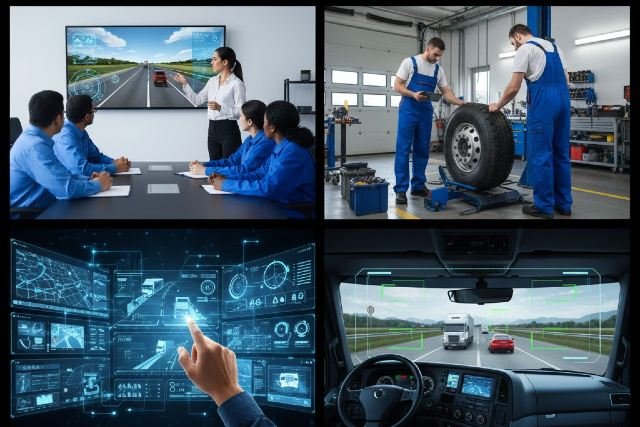
Fleet Safety plays a critical role in protecting drivers, reducing operational costs, and ensuring long-term business continuity. In the first few moments of understanding any transportation or logistics operation, it becomes clear that effective fleet management begins with safety. Companies that prioritize Fleet Safety benefit from fewer accidents, lower insurance premiums, and a stronger reputation among clients and employees. As road risks continue to evolve, companies must adopt strategies grounded in research, technology, and proven operational insights to keep drivers safe and vehicles performing reliably.
- Understanding the Growing Importance of Modern Fleet Safety
- Proven Methods That Strengthen Fleet Safety Across Operations
- Strengthening Driver Engagement for Better Fleet Safety Outcomes
- How Technology Is Transforming Fleet Safety Practices
- Real-World Example: How One Company Reduced Collisions by Adopting a Safety-First Culture
- Common Questions About Fleet Safety
- Building a Stronger Safety Culture for Long-Term Results
- Conclusion: The Future of Fleet Safety
Understanding the Growing Importance of Modern Fleet Safety
In today’s transportation environment, Fleet Safety is no longer a reactive process. Increased traffic density, driver fatigue, distracted driving, and rising insurance costs make proactive safety management a necessary part of business strategy. Studies from the National Highway Traffic Safety Administration show that human error contributes to more than ninety percent of vehicle crashes, which means that training, monitoring, and support directly influence outcomes on the road. When companies approach safety as an ongoing investment rather than a compliance requirement, they start to see measurable improvements in employee morale, cost efficiency, and collision reduction.
Proven Methods That Strengthen Fleet Safety Across Operations
Creating a safer fleet requires a mix of practical training, modern monitoring systems, and consistent policy enforcement. Comprehensive driver education remains the foundation of any strong Fleet Safety program. When drivers understand defensive driving techniques, hazard perception, and fatigue management, they make better decisions during unpredictable road situations. Regular coaching sessions and ride-along evaluations help reinforce these skills in a real-world environment, ensuring that training turns into lasting habits.
Technology also plays a significant role in enhancing Fleet Safety. Advanced driver-assistance systems such as collision warnings, blind-spot monitoring, and lane-keeping alerts serve as an additional layer of protection for drivers. Telematics platforms provide real-time insight into speed, harsh braking, distracted driving behaviors, and maintenance needs. With accurate data, fleet managers can identify risk patterns early, hold constructive performance discussions, and reward safe behavior. Companies using telematics have reported up to a twenty percent reduction in preventable accidents, according to a study by Geotab, demonstrating the clear value of data-driven safety practices.
Predictive maintenance further supports Fleet Safety by reducing the chance of mechanical failures on the road. When vehicles are monitored through diagnostics, sensors, and routine inspections, small issues are addressed long before they become major hazards. Brake wear, tire pressure changes, and engine alerts can all lead to dangerous situations if ignored. Businesses that embrace predictive maintenance not only protect drivers but also extend the lifespan of their assets, minimizing costs caused by emergency repairs and downtime.
Strengthening Driver Engagement for Better Fleet Safety Outcomes
A successful Fleet Safety strategy depends on strong driver engagement. When drivers feel valued and included in the company’s safety vision, they are far more likely to adopt safer behaviors. Open communication, constructive feedback, and recognition programs help create a sense of shared responsibility. Drivers who participate in shaping safety protocols often develop a greater sense of ownership and take pride in maintaining high standards on the road.
Incorporating health and wellness support also contributes to improved Fleet Safety. Fatigue, stress, and long working hours can impair judgment and slow reaction times. By offering wellness resources, adequate rest breaks, and clear expectations around driving hours, companies create a healthier environment that promotes safe decision-making. Even small steps, such as providing ergonomic seating or promoting hydration, can reduce discomfort and distraction during long trips.
How Technology Is Transforming Fleet Safety Practices
Modern Fleet Safety is heavily influenced by digital tools that make daily operations more transparent and efficient. Video dash cams are becoming a central component of safety programs. Forward-facing cameras capture incidents in real time, offering evidence for insurance claims and giving drivers meaningful feedback. In cases where drivers are wrongly blamed, video footage provides immediate protection, helping companies avoid costly disputes. When used respectfully and transparently, cameras help cultivate a culture of accountability without undermining trust.
Artificial intelligence is also shaping the future of Fleet Safety. AI-powered analytics can identify dangerous behaviors like drowsiness, distraction, or tailgating and alert drivers instantly. These tools offer an additional layer of awareness and reduce reaction time during high-risk moments. For managers, AI systems highlight recurring trends, allowing leadership teams to adjust training, scheduling, or policies accordingly.
Real-World Example: How One Company Reduced Collisions by Adopting a Safety-First Culture
A mid-sized logistics company in the Midwest implemented a comprehensive Fleet Safety program that included driver training, telematics, and wellness initiatives. Within twelve months, they recorded a thirty percent reduction in collisions and a significant decrease in fuel consumption due to improved driving behavior. Their insurance provider also rewarded the company with lower premiums based on documented risk reduction. This case demonstrates how a unified safety strategy creates measurable, long-term improvements across multiple business areas.
Common Questions About Fleet Safety
Many managers ask whether the cost of telematics is justified. In most cases, the savings gained through fewer collisions, reduced fuel usage, and lower insurance costs outweigh the initial investment. Others wonder how to encourage drivers to embrace these tools. Transparent communication, hands-on demonstrations, and a focus on driver support rather than punishment are the key to successful adoption.
Another frequent concern involves compliance with federal regulations. Staying updated with FMCSA guidelines, Hours-of-Service rules, and industry best practices ensures a program remains legally compliant. Reliable external resources such as the Federal Motor Carrier Safety Administration website help businesses stay informed and avoid penalties.
Building a Stronger Safety Culture for Long-Term Results
True Fleet Safety is built through consistency. Policies must be enforced uniformly and reviewed regularly to ensure they remain relevant and effective. Leadership plays a crucial role in modeling safe behavior and reinforcing expectations. When employees see managers prioritizing safety, they are more likely to follow suit, reducing risks across the organization.
Companies should also invest in regular performance reviews that evaluate both driver behavior and system effectiveness. Data from telematics, incident reports, and maintenance logs help leadership identify opportunities for improvement. The most successful fleets are those that continuously adapt to new challenges and apply lessons learned from past incidents.
Conclusion: The Future of Fleet Safety
Fleet Safety is an ongoing commitment rather than a one-time initiative. By combining technology, training, maintenance, and a supportive culture, companies can significantly lower risk on the road and protect both their drivers and investments. As regulations evolve and driving environments become more complex, businesses that prioritize Fleet Safety will build stronger, more resilient operations. The proven methods outlined in this guide emphasize that safety is not an expense but a powerful strategy for long-term success.