


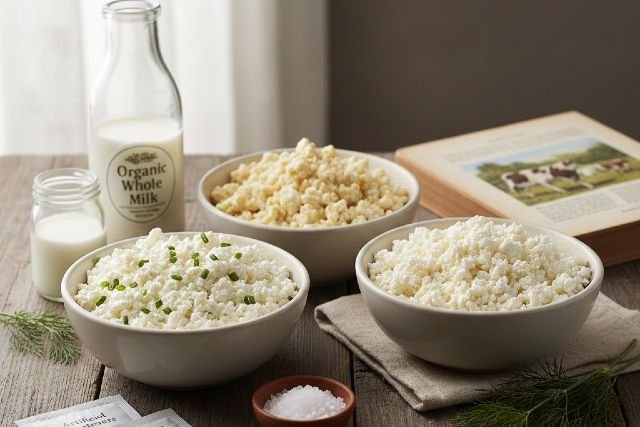
Organic cottage cheese has quietly become a “smart protein” staple: quick to eat, easy to cook with, and usually far less processed than many other packaged snacks. But not all organic cottage cheese is created equal.
- What “organic” means for cottage cheese
- Why organic cottage cheese is a smart choice
- Best organic cottage cheese brands to look for
- Ingredients to check on organic cottage cheese labels
- What to avoid in organic cottage cheese
- How to pick the best organic cottage cheese for your goals
- Real-world scenarios to help you choose
- Common questions about organic cottage cheese
- Conclusion
Some tubs are basically just milk, cream, salt, and cultures. Others hide a long tail of thickeners, gums, and texture agents — plus sodium levels that can turn a healthy snack into a salty side quest. This guide breaks down the best organic options, exactly what to look for on the label, and what to avoid so you can buy with confidence.
What “organic” means for cottage cheese
When a product is labeled organic in the United States, it must follow USDA National Organic Program rules. For dairy, those rules include requirements such as organic feed, restrictions on antibiotics and added hormones, and outdoor access/pasture access standards for ruminants. Organic certification can be a meaningful signal about how the milk was produced, but it does not automatically guarantee a short ingredient list. That’s why label-reading still matters even when you buy organic.
Why organic cottage cheese is a smart choice
Cottage cheese has regained popularity because it’s efficient nutrition. Plain cottage cheese is typically high in protein and low in sugar, and it’s easy to use in meals without changing the entire dish. As a reference point, nutrition data for lowfat cottage cheese commonly shows around 10 grams of protein per 100 grams, though exact values vary by brand and fat level. That protein density is why it works so well at breakfast, after workouts, or as a quick snack that keeps you full longer.
Best organic cottage cheese brands to look for
Good Culture Organic is widely recommended because it keeps the ingredient list simple and emphasizes live and active cultures. Many shoppers choose it specifically to avoid texture additives like gums when possible, and it tends to deliver a thick, creamy consistency without needing stabilizers.
Organic Valley is a common go-to because it’s broadly available and comes from a well-known organic dairy cooperative brand. If you want a mainstream organic option that’s easy to find in many grocery stores, this is often the most practical pick.
Westby Cooperative Creamery Small Curd 4% Organic stands out for being very traditional in both taste and ingredient simplicity. If your priority is a minimal label and an old-school cottage cheese feel, it’s one of the strongest options when you can find it.
Nancy’s Organic Cottage Cheese is known for a cultured, tangier flavor profile and positioning around avoiding thickeners. It’s a good fit for people who want a more fermented taste and care about live cultures.
Ingredients to check on organic cottage cheese labels
The simplest organic cottage cheese typically contains milk, cream, salt, and cultures. Some brands may use skim milk plus cream to control fat levels, which is still normal. When you see a short list like that, you’re usually looking at a more traditional product.
Cultures are a plus if you care about fermentation, flavor, and digestibility. Not every cottage cheese is heavily cultured in the way yogurt is, but many brands include live and active cultures. If you want cultures specifically, look for language on the label that calls them out, because some products are pasteurized after culturing, which can reduce or eliminate live culture presence.
Salt is expected, but it’s where many “healthy” tubs quietly go off-track. Cottage cheese can be surprisingly high in sodium, especially in larger-curd styles or products designed to taste richer than they are. If you’re watching blood pressure or water retention, compare nutrition panels and pick the lower-sodium option that still tastes good to you. For general guidance, many health authorities recommend limiting sodium intake; in the U.S., the FDA’s Daily Value is 2,300 mg per day, which can help you interpret the percent Daily Value on labels.
Milkfat percentage is another quality signal. Whole milk versions tend to taste better and have a creamier mouthfeel with fewer “fixes,” while low-fat versions sometimes add stabilizers to mimic richness. If texture matters and you’re trying to avoid additives, you may do better with 4% or whole milk cottage cheese and control portion size.
What to avoid in organic cottage cheese
Carrageenan is one of the most debated additives you’ll see in dairy. It’s used to improve texture and prevent separation, but it’s also controversial because of mixed research and ongoing discussion about its effects on gut health, especially in sensitive individuals. Some shoppers avoid it entirely, and many “clean label” brands advertise that they don’t use it. If you’ve had digestive issues with certain dairy products, carrageenan can be a useful thing to trial-eliminate.
Gums and thickeners like guar gum, xanthan gum, and locust bean gum are commonly used to control texture. They’re not automatically “bad,” but they can be a sign the product is engineered for thickness or stability rather than made in a traditional way. If your goal is the simplest version, choose brands that don’t rely on these.
Modified food starch and other starches may show up to manage water separation and create a consistent body. These are more common in low-fat products. Again, not inherently harmful for everyone, but often unnecessary if you’re choosing cottage cheese for minimally processed nutrition.
“Natural flavors” is another ingredient some people prefer to avoid because it’s vague. Cottage cheese shouldn’t need it. If you want plain cottage cheese that you can dress up yourself, a label with no flavoring is usually the better option.
Excess sodium is the biggest practical “avoid” for most people because it’s easy to overconsume without noticing. If one serving delivers a large chunk of your daily sodium target, it can turn a daily habit into an unhelpful one, especially if the rest of your diet already includes packaged foods.
How to pick the best organic cottage cheese for your goals
If your priority is the cleanest ingredient list, start by choosing a brand that lists only milk, cream, salt, and cultures, and avoid tubs that add carrageenan, gums, or modified starch. If you’re deciding between two brands, the one with fewer texture agents is usually the more traditional product.
If your priority is taste and satiety, a whole milk organic cottage cheese is often the most satisfying. Many people find they eat less of it because it’s richer and more filling, which can actually make it easier to stay within calorie goals without feeling deprived.
If your priority is digestion, try a cultured option and see how you feel. Some people tolerate cultured dairy better, while others do better with lactose-free products. If you suspect sensitivity, keep your test simple: change only the cottage cheese brand or style for a week and observe the difference.
If your priority is sodium, compare a few labels and pick a lower-sodium option you’ll actually enjoy. The best nutrition choice is the one you can stick with consistently.
Real-world scenarios to help you choose
If you’re using organic cottage cheese as a daily breakfast base, a clean-label, whole milk option can reduce the urge to add a lot of sweeteners or toppings. Because it tastes better on its own, you can keep breakfast simpler and still feel satisfied.
If you’re using it in cooking, such as blending into sauces, adding to eggs, or mixing into baked dishes, you can prioritize ingredients over texture. A brand that separates a bit in the tub often performs perfectly well once it’s mixed into a recipe.
If you’re trying to increase protein while cutting ultra-processed foods, organic cottage cheese can replace protein bars or sweetened yogurts. You get the same “grab-and-go” convenience, with more control over sugar and ingredients.
Common questions about organic cottage cheese
Is organic cottage cheese healthier than regular cottage cheese?
It can be, depending on what you mean by healthier. Organic certification reflects how the milk was produced under USDA organic standards, which some people prefer for farming practice reasons. Nutritionally, organic and conventional cottage cheese can be similar in protein and calories, so the bigger differences often come from sodium levels and additives on the ingredient list.
What is the cleanest ingredient list for organic cottage cheese?
A traditional, minimal label is usually milk, cream, salt, and cultures. Some versions may list skim milk and cream separately, which is normal. The “cleanest” choice is typically the one without carrageenan, gums, or modified starch.
Should I avoid carrageenan in cottage cheese?
If you’re sensitive to additives or have digestive concerns, it may be worth avoiding and seeing if you feel better. The science and public debate around carrageenan has been active for years, and some brands intentionally formulate without it to match consumer preferences.
Is organic cottage cheese good for weight loss?
It can be helpful because it’s high in protein and usually low in sugar when plain, which can support fullness. The best approach is to choose a version you enjoy, watch sodium, and keep portions consistent with your overall calorie needs.
Does organic cottage cheese have probiotics?
Some do, especially if they include live and active cultures and aren’t pasteurized after culturing. Labels vary. If probiotics are important to you, choose brands that clearly mention live cultures and consider checking the brand’s product page for culture details.
Conclusion
Organic cottage cheese can be an excellent everyday protein choice, but the best tub is the one that matches your goals and your digestion. Look for organic cottage cheese made with simple ingredients like milk, cream, salt, and cultures, and be cautious with additives such as carrageenan, gums, and modified starch. Compare sodium levels, choose the fat level that keeps you satisfied, and you’ll end up with a cleaner, better-tasting cottage cheese you can rely on.