


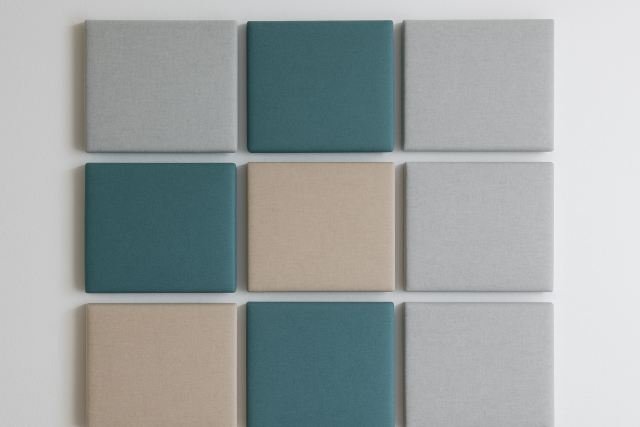
Panneaux acoustiques, commonly known as acoustic panels, have become an essential solution for improving sound quality in residential, commercial, and professional spaces. Whether you want to reduce reverberation, control echo, or enhance audio clarity, these panels offer an efficient, stylish, and long-lasting approach. Within the first moments of exploring acoustic treatment, it becomes clear that acoustic panels are no longer limited to recording studios. Their use has expanded into modern homes, open-plan offices, restaurants, and public areas due to increased awareness of noise pollution and the desire for comfortable acoustic environments.
This detailed guide explains the benefits of panneaux acoustiques, the best installation tips, cost considerations, common questions, and real-world examples to help you choose the right solution for your space. You will also find expert recommendations based on acoustic engineering standards and practical experience.
What Are Acoustic Panels and How Do They Work?
Acoustic panels are sound-absorbing elements designed to reduce echo and control sound reflections inside a room. Unlike soundproofing materials, which block external noise, acoustic panels aim to improve the quality of sound within the space itself.
Their effectiveness comes from their internal structure. Materials like rock wool, acoustic foam, felt, or recycled polyester absorb sound energy and convert it into negligible heat. This reduces the amount of reflected noise, resulting in clearer speech, better audio quality, and an overall more pleasant environment.
Benefits of Panneaux Acoustiques
The primary benefit of acoustic panels is their immediate improvement of room acoustics. Once installed, you notice a reduction in echo and background noise, making conversations easier and enhancing the listening experience whether you’re on a video call, watching a movie, or working in an office.
Aesthetic versatility is another major advantage. Modern panneaux acoustiques come in a wide range of shapes, colors, and finishes that blend seamlessly with any interior design — from minimalist workspaces to luxury hotels. This makes them both a functional and decorative solution.
Acoustic comfort also contributes to well-being. According to the World Health Organization, prolonged noise exposure increases stress levels, decreases concentration, and lowers productivity. For businesses, installing acoustic panels leads to a more efficient and comfortable work environment, helping employees stay focused throughout the day.
Another advantage is sustainability. Many brands now manufacture panels from recycled materials, such as PET felt made from plastic bottles. This environmentally conscious approach allows users to enhance acoustic comfort while supporting eco-friendly initiatives.
Where Should Acoustic Panels Be Installed?
The ideal placement of panneaux acoustiques varies depending on the purpose of the room. In open offices, panels help minimize distracting background noise and support better concentration. Meeting rooms benefit from enhanced voice clarity, making video conferences more efficient. Restaurants often experience excessive noise due to hard surfaces, and acoustic panels significantly improve customer comfort by reducing the loud atmosphere.
In homes, acoustic issues commonly arise in living rooms, staircases, bedrooms, and home theaters. Modern interior design trends often involve large windows, wooden floors, and open spaces that naturally increase echo. Installing acoustic panels balances the sound environment without altering the visual style of the room.
Expert Tips for Successful Installation
Proper installation is key to maximizing the performance of acoustic panels. The first step is to evaluate the current acoustic conditions of the room. A highly reverberant room requires strategic placement of panels on the primary reflection points, often on side walls and ceilings.
In meeting rooms, panels should be placed around the main speaking areas to prevent sound reflections. In audio or home theater settings, corners and rear walls are critical areas that benefit greatly from acoustic treatment.
Panels can be installed using adhesive strips, hooks, or mounted frames depending on the model. Leaving a small air gap between the panel and the wall can significantly increase sound absorption efficiency, especially for low and mid frequencies. For professional environments, thicker and denser panels may be required, and expert installation is recommended.
How Much Do Acoustic Panels Cost?
The cost of panneaux acoustiques varies based on material, thickness, density, brand, and finish. Affordable options include lightweight acoustic foam panels suitable for beginner studios or small rooms. While inexpensive, their durability and performance may be lower.
Mid-range options include rock wool or recycled polyester panels, offering a balanced combination of effectiveness and aesthetics. These are ideal for most offices, homes, and professional spaces.
High-end panels often feature premium fabrics, wooden slats, or custom printing. They are designed not only for superior acoustic control but also to enhance interior design. These panels are commonly used in corporate offices, conference halls, luxury restaurants, and hotels.
Because each space has unique acoustic needs, the total cost ultimately depends on how many panels are required to achieve optimal sound quality.
Real-World Case Studies
A popular restaurant chain in Lyon reduced its reverberation time by nearly 40% after installing wall-mounted acoustic panels. Customers immediately noticed the improvement, creating a more enjoyable dining atmosphere without overpowering background noise.
In another case, a tech company upgraded its open workspace by adding suspended acoustic panels and felt wall tiles. Employees reported better concentration, reduced stress, and improved communication between teams within just a few weeks.
Many homeowners also experience dramatic improvements. A living room with large windows and tiled floors can quickly become echo-heavy. Installing just a few decorative acoustic panels transformed the sound environment, making daily conversations more pleasant and increasing the room’s comfort.
Frequently Asked Questions
Do acoustic panels block external noise?
No. Acoustic panels improve the sound inside a room by reducing echo and reflections. Blocking external noise requires soundproofing materials, not acoustic panels.
Are acoustic panels better than foam?
Foam is suitable for basic acoustic needs, but acoustic panels offer superior performance, better durability, and customizable designs.
How many panels are needed to treat a room?
This depends on room size, materials, and the level of reverberation. Minimalist rooms with hard surfaces require more panels.
Can I install acoustic panels myself?
Yes. Many lightweight panels are DIY-friendly. However, professional installation is recommended for thick or complex panels in commercial spaces.
Conclusion
Panneaux acoustiques offer an effective, stylish, and long-lasting way to improve the sound quality of any space. Whether you’re designing a comfortable living room, a productive office, or a professional audio environment, acoustic panels can transform the acoustic experience without requiring major renovations. Their many benefits — from improved clarity to reduced stress — make them a smart investment for anyone seeking a more pleasant and harmonious sound environment.