


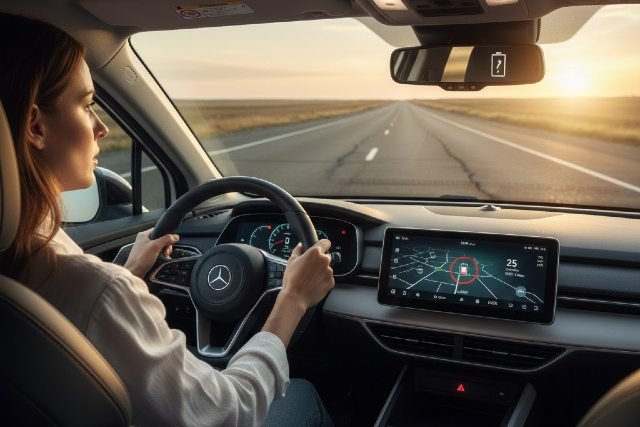
Range anxiety has become one of the most widely discussed challenges surrounding electric vehicles, and it significantly shapes the way current and future drivers think about EV ownership. In simple terms, range anxiety refers to the fear that an electric vehicle will run out of battery power before reaching a charging station. The concern tends to surface most strongly among new EV buyers or drivers transitioning from gasoline-powered cars, but even experienced EV owners sometimes feel it in certain driving conditions. Understanding why range anxiety exists and what solutions are emerging helps clarify the future of electric mobility and what drivers can realistically expect today.
- What Is Range Anxiety?
- Why EV Drivers Experience Range Anxiety
- How Real Is the Problem?
- Modern EV Technology Reduces Range Anxiety
- Case Study: Real-World Drivers Overcoming Range Anxiety
- How Drivers Can Reduce Range Anxiety in Everyday Life
- The Future of Range Anxiety
- Common Questions About Range Anxiety
- Conclusion: Why Range Anxiety Matters and How Drivers Can Overcome It
As the EV market grows rapidly, range anxiety remains a central talking point among consumers, automakers, and charging-network providers. It influences purchase decisions, affects driver confidence, and shapes public perception of electric vehicles. However, the reality of range anxiety is more complex than the fear itself. Today’s EVs offer far better battery performance, more accessible charging networks, and advanced tools for route planning. Yet the concern persists, often due to outdated assumptions, misinformation, or unfamiliarity with EV technology.
What Is Range Anxiety?
Range anxiety is the psychological stress or fear a driver feels when they believe an electric vehicle may not have enough charge to reach its destination. Unlike gasoline cars — where fuel stations are everywhere — charging infrastructure is still developing, which can make drivers feel uncertain about availability, especially on long trips.
This concern is not entirely irrational. A decade ago, EVs typically offered ranges under 100 miles, and public chargers were sparse. But modern electric vehicles commonly exceed 250–350 miles per charge, and fast-charging locations are increasing every year. Even with these improvements, range anxiety remains a top barrier for adoption because potential buyers often overestimate how much range they truly need.
Why EV Drivers Experience Range Anxiety
Range anxiety comes from a combination of psychological, environmental, and logistical factors. While each driver experiences it differently, several common triggers make the fear more intense.
Lack of Familiarity With EV Charging
Drivers new to electric vehicles tend to imagine worst-case scenarios. Since chargers are less visible than gas stations, the fear of “getting stuck” feels more real. The unfamiliarity with charge times also contributes to worry, even though most EV charging happens conveniently at home.
Cold Weather and Battery Efficiency
Temperature has a noticeable impact on lithium-ion battery performance. Research from the Department of Energy shows that cold weather can reduce EV range by up to 40% in extreme cases. This seasonal fluctuation can surprise drivers and create uncertainty.
Long-Distance Travel and Planning Stress
Although many EVs can comfortably handle daily commuting, drivers often worry about long trips. Long-distance travel usually requires planning around chargers, especially fast chargers. Even with tools like Google Maps EV routing or Tesla’s built-in trip planner, the sense of dependency on charger availability can increase tension.
Charging Infrastructure Limitations
While charging networks are expanding, certain regions still lack fast-charging coverage. Rural highways, mountainous routes, and less populated areas can trigger concerns in drivers accustomed to dense urban charging.
Battery Degradation Over Time
All lithium-ion batteries degrade slowly. Although most EVs retain around 80–90% of their capacity after many years, the idea that battery range will drop adds to long-term anxiety for some owners.
How Real Is the Problem?
Range anxiety is real as a psychological concern, but its practical impact is decreasing. Statistics consistently show that most drivers travel far less daily than they think. According to the U.S. Department of Transportation, the average American drives just 37 miles per day, far below the average EV range. Even entry-level EVs today offer well over 150 miles per charge, which is more than four times the daily need.
Studies by McKinsey and AAA also reveal that once drivers switch to EVs, their anxiety decreases significantly within the first few months. Real-world EV ownership tends to replace worry with confidence as drivers learn their vehicle’s true range, charging habits, and predictable energy consumption.
Modern EV Technology Reduces Range Anxiety
One of the most powerful tools against range anxiety is technological advancement. Automakers and charging providers continue to create solutions that make the experience easier and more predictable.
Larger Battery Packs and Longer Ranges
Many popular EVs now exceed 300 miles per charge. Long-range variants from Tesla, Hyundai, Mercedes-Benz, and other manufacturers demonstrate that electric vehicles can travel comfortably for daily use and long trips.
Improved Fast-Charging Networks
Fast chargers — like Tesla Superchargers, Electrify America, and Ionity — allow drivers to replenish 80% of their battery in 20 to 30 minutes. This drastically reduces downtime during road trips.
Advanced Navigation Tools
EVs are now equipped with:
- Real-time range estimators
- Automatic charging-stop route planning
- Energy-use predictions based on terrain, speed, and weather
These systems guide drivers to chargers efficiently and reduce uncertainty.
Regenerative Braking
By capturing energy during deceleration, EVs recover range, helping ensure mileage remains consistent even in traffic or city driving.
Case Study: Real-World Drivers Overcoming Range Anxiety
A useful example comes from a study conducted by Deloitte, where new EV owners were surveyed over a 12-month period. At the beginning, 48% reported moderate to severe range anxiety. After one year of EV ownership, the number dropped to 14%. Drivers explained that their comfort improved as they gained firsthand experience with:
- Home charging convenience
- Accurate range predictions
- Familiarity with local chargers
- Understanding seasonal battery performance
This transition shows that range anxiety is often rooted in unfamiliarity, not actual range limitations.
How Drivers Can Reduce Range Anxiety in Everyday Life
While technology plays a major role, behavior and mindset also influence range confidence. With the right approach, range anxiety becomes manageable and often disappears entirely.
Get Comfortable With Home Charging
Most EV owners charge overnight simply by plugging into a home charger. This ensures a full battery every morning and eliminates the need for daily public charging.
Know Your Vehicle’s Real-World Range
Drivers quickly learn how speed, climate, and driving style affect range. Monitoring this for a few weeks provides a more realistic expectation than relying solely on manufacturer estimates.
Use EV-Specific Navigation Apps
Tools like PlugShare, ChargePoint, A Better Routeplanner (ABRP), or manufacturer apps provide real-time charger availability. This helps drivers plan routes confidently.
Precondition Your Battery During Winters
Warming the battery before driving helps maintain range and improves efficiency, especially during cold seasons.
Avoid Running the Battery Too Low
Just as drivers avoid letting a gasoline tank reach empty, EV drivers can maintain a comfortable buffer — often 20–30% — for peace of mind.
The Future of Range Anxiety
Industry trends suggest that range anxiety will fade dramatically over the next decade. Several advancements are already accelerating this shift.
Solid-State Batteries
Solid-state battery technology promises higher energy density, faster charging, and longer lifespans. Manufacturers like Toyota, Nissan, and QuantumScape are making significant investments.
Ultra-Fast Charging
Next-generation fast chargers aim for 10–15 minute full charges, making EV charging nearly as quick as refueling gasoline cars.
Vehicle-to-Everything (V2X) Technology
Bidirectional charging allows EVs to power homes or feed energy back into the grid, giving drivers more control over their energy ecosystem.
Expanding Charging Infrastructure
Governments and private companies continue investing heavily in public charging. In the United States alone, the National Electric Vehicle Infrastructure (NEVI) program aims to install thousands of new fast chargers along major highways.
Common Questions About Range Anxiety
Does Range Anxiety Affect All Drivers?
Not all drivers experience it. Experienced EV owners typically report low anxiety, while potential buyers or first-time users report higher levels.
Do Modern EVs Have Enough Range for Daily Use?
Yes. Most daily driving requires far less than even the lowest-range modern EVs can provide.
Can Range Anxiety Affect Road Trips?
Long trips require more planning in an EV, but fast-charging networks now make cross-country travel entirely feasible.
Will Battery Degradation Increase Range Anxiety?
Most batteries degrade slowly, typically only a few percent every year. With proper maintenance, long-term range loss remains manageable.
Conclusion: Why Range Anxiety Matters and How Drivers Can Overcome It
Range anxiety remains a meaningful concern among new or prospective EV drivers, but the reality of modern electric vehicles shows that the fear is far bigger than the actual risk. As EV ranges continue to grow, fast-charging networks expand, and better battery technologies emerge, the fear of running out of charge is steadily diminishing. Understanding what range anxiety is, why it happens, and which solutions exist helps drivers make more confident decisions — both today and in the future.
Ultimately, range anxiety is more psychological than practical. Experienced EV owners consistently report that the concern fades quickly once they adapt to everyday charging habits and experience real-world performance. With continued innovation, education, and infrastructure growth, the transition to electric mobility becomes smoother and far more accessible for everyone.