


Whether you’re building a new home in a rural area, maintaining an existing property, or preventing costly plumbing issues, understanding how a Septic System works is essential. A properly installed and well-maintained system protects your home, your yard, and the surrounding environment. Within the first 100 words, it’s clear that choosing the right Septic System installation methods, repair strategies, and best management practices can significantly extend the lifespan of your system and reduce the likelihood of expensive failures. This guide walks you through everything you need to know to keep your Septic System functioning safely and efficiently.
- What Is a Septic System and How Does It Work?
- Septic System Installation: What Homeowners Should Know
- Common Septic System Problems and When Repairs Are Needed
- Septic System Repairs: What to Expect
- Best Practices for Long-Term Septic System Health
- Cost Breakdown for Septic System Installation and Repairs
- Real-Life Scenarios: When Homeowners Should Pay Extra Attention
- FAQs About Septic System Installation and Repairs
- Conclusion
What Is a Septic System and How Does It Work?
A Septic System is an underground wastewater treatment system commonly used in rural and suburban areas without access to municipal sewer lines. It relies on natural soil filtration, anaerobic bacteria, and mechanical components to break down waste safely.
The Environmental Protection Agency (EPA) reports that more than 20% of U.S. households use septic systems for wastewater treatment. This highlights the importance of proper installation, regular maintenance, and timely repairs to ensure community and environmental health.
A basic system includes three main components:
A septic tank
A drainfield (also called a leach field)
Soil that treats and disperses wastewater
Each component must work correctly to prevent backups, groundwater contamination, and system failure.
Septic System Installation: What Homeowners Should Know
Site Evaluation and Soil Testing
Before installation begins, professionals evaluate your property’s soil type, drainage conditions, and local regulations. Soil testing determines how easily the ground absorbs water. Sandy soil drains quickly, while clay-heavy soil drains slowly. This affects both system design and drainfield size.
A percolation test (“perc test”) is often required by local health departments to determine whether the soil is suitable for a Septic System. Without proper soil conditions, alternative septic designs may be necessary.
Selecting the Right Septic System Design
Different properties require different system designs. Options include:
Conventional septic systems
Chamber systems
Aerobic treatment units
Drip distribution systems
Mound systems
For homes on sloped land, high-water-table areas, or poor-draining soil, alternative systems may be required to ensure safe wastewater treatment.
Excavation and Tank Installation
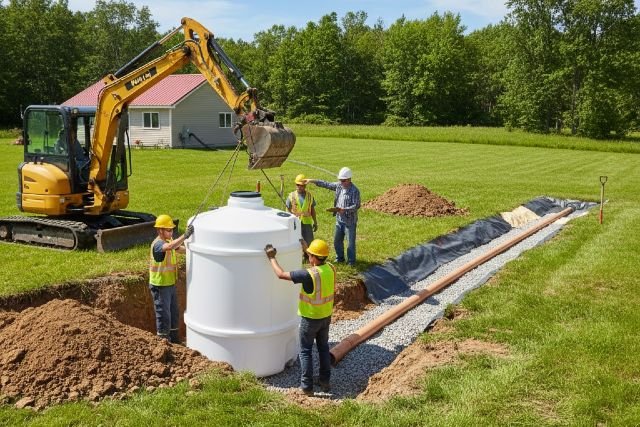
Once the design is approved, excavation begins. The septic tank — usually concrete, fiberglass, or polyethylene — is placed underground. Tanks must be installed at the correct depth to ensure gravity-based flow from the house.
Proper installation prevents tank shifting, seepage, or collapse. Tanks must also be easily accessible for pumping and inspections.
Drainfield Installation
The drainfield distributes treated wastewater into the soil. It consists of perforated pipes or chambers buried in gravel-filled trenches. Proper spacing ensures even distribution and prevents oversaturation.
A failing drainfield can cause soggy ground, odors, and wastewater surfacing — this is why installation must follow engineering guidelines and soil requirements.
Final Inspection and System Approval
Local authorities often conduct a final inspection to ensure all components meet code requirements. Once approved, the system becomes operational and ready for everyday use.
Common Septic System Problems and When Repairs Are Needed
Slow Drains and Backups
Slow drains often indicate blockage in the pipes, a full tank, or early drainfield failure. Regular pumping prevents overloading the system and restores flow.
Odors Around the Yard or Home
Persistent foul odors signal ventilation issues, drainfield problems, or excessive buildup in the tank. Odors should never be ignored, as they indicate potential system failure.
Standing Water in the Yard
This is one of the earliest signs of drainfield malfunction. When wastewater cannot disperse properly, it rises to the surface. This requires immediate professional inspection.
Gurgling Sounds in Plumbing
Gurgling noises from sinks or toilets indicate improper venting or developing blockages. This often precedes major septic backups.
Sewage Smells Indoors
Indoor odors suggest blocked vents, plumbing leaks, or a failing septic tank. A thorough inspection can identify whether the issue is with the home’s plumbing or the septic system.
Septic System Repairs: What to Expect
Pumping and Cleaning
Regular pumping removes accumulated solids from the septic tank. Most households need pumping every 3–5 years, depending on tank size and water usage. The EPA emphasizes that neglecting pumping is a top cause of system failure.
Fixing Clogged Pipes
Clogs in the main line or drainfield pipes can cause backups. Hydro-jetting or mechanical cleaning may restore flow.
Repairing or Replacing the Drainfield
If the drainfield becomes saturated or damaged, sections may need repair or complete replacement. This is often the most expensive repair but necessary for long-term system performance.
Fixing Damaged Septic Tanks
Cracks, leaks, or structural issues in the tank can allow groundwater contamination or effluent escape. Depending on severity, the tank may be patched or fully replaced.
Addressing Root Intrusion
Tree roots can invade pipes and drainfield lines, causing severe blockage. Removing roots and repairing pipes restores system function.
Best Practices for Long-Term Septic System Health
Routine Inspections and Maintenance
Regular inspections — typically every 1–3 years — ensure early detection of problems. Inspections include checking sludge levels, tank integrity, and drainfield performance.
Water Conservation Helps Your System
Reducing household water flow prevents system overload. Installing low-flow fixtures and fixing leaks improves septic longevity.
Proper Waste Disposal
Avoid flushing non-biodegradable items such as wipes, feminine products, paper towels, or grease. These items clog the system and reduce bacterial efficiency.
Protect the Drainfield Area
Avoid parking vehicles, planting trees, or constructing structures over the drainfield. Soil compaction and root intrusion shorten system lifespan.
Maintain a Healthy Bacterial Balance
Household cleaners, bleach, and chemical disinfectants kill beneficial bacteria needed for proper wastewater treatment. Use septic-safe cleaning products whenever possible.
Cost Breakdown for Septic System Installation and Repairs
Installation Costs
Costs vary based on soil quality, tank size, location, and system design. Complex systems like mound or aerobic units cost more than conventional models. Labor, engineering, permits, and materials all factor into the total price.
Repair Costs
Minor repairs such as pipe cleaning cost significantly less than major repairs like drainfield replacement. Regular maintenance prevents expensive failures down the road.
Long-Term Savings
A well-maintained system can last 20–40 years or more. Investing in proper installation and routine care reduces future repair costs significantly.
Real-Life Scenarios: When Homeowners Should Pay Extra Attention
Buying a Home with a Septic System
Real estate transactions often require septic inspections. Hidden septic issues can lead to unexpected repair costs. Buyers should request records of maintenance and pumping.
Adding Bedrooms or Expanding a Home
Septic Systems are designed for specific occupancy levels. Adding bedrooms or increasing water usage may require an upgraded septic system.
Experiencing Frequent Backups
Recurring plumbing issues often signal deeper septic problems. A camera inspection of lines may identify the cause.
FAQs About Septic System Installation and Repairs
How long does a Septic System last?
A well-installed and properly maintained Septic System can last 20–40 years or more.
How often should the tank be pumped?
Most households need pumping every 3–5 years, depending on usage.
Can I install a Septic System myself?
Installation should always be handled by licensed professionals due to strict regulations and required engineering.
What causes septic system failure?
Common causes include neglect, overuse of water, root intrusion, chemical cleaners, and improper installation.
Does home insurance cover septic repairs?
Standard policies may cover sudden damage but not long-term wear or neglect.
Conclusion
A properly designed, installed, and maintained Septic System plays a vital role in protecting your home, your yard, and the environment. Understanding how the system works — and knowing when to schedule maintenance or repairs — ensures long-term efficiency and reliability. Whether you’re installing a new system or caring for an existing one, adopting best practices, monitoring performance, and working with qualified professionals will safeguard your investment and prevent costly failures. With the right approach, your Septic System can function effectively for decades, supporting clean water, safe homes, and sustainable living.