


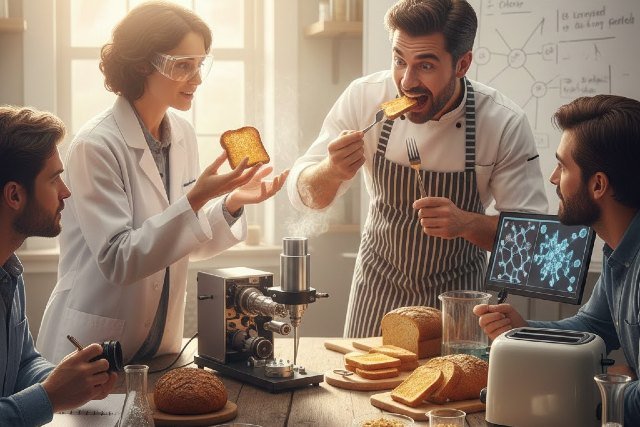
Toast is one of the simplest foods you can make, yet there is surprisingly complex science behind why toast becomes crispy, aromatic, and deeply flavorful. Within the first moments of heating bread, a chain of reactions begins that transforms soft slices into the crunchy, golden snack people enjoy worldwide. Understanding the science of toast reveals why certain breads toast better, why temperature matters, and how subtle changes can dramatically influence flavor and texture. Toast may seem ordinary, but its chemistry is anything but simple.
- What Happens to Bread When It Becomes Toast?
- Why Toast Gets Crunchy: The Role of Moisture and Heat
- What Makes Toast Taste Better Than Bread?
- The Toasting Process: Why Different Breads Toast Differently
- Why Toast Burns: The Thin Line Between Browned and Burned
- How Butter Interacts with Toast: A Mini Food Science Insight
- Frequently Asked Questions About Toast
- Conclusion: Why Toast Is More Fascinating Than It Appears
Toast also serves as an excellent example of how heat, moisture, sugar, and protein interact. These interactions explain why toasted bread tastes richer, smells more inviting, and develops its characteristic structure. Food scientists often study toast because it demonstrates essential concepts in culinary chemistry, especially the Maillard reaction and moisture evaporation, which are fundamental to how foods brown and develop flavor.
What Happens to Bread When It Becomes Toast?
When bread becomes toast, it undergoes several changes at the molecular level. The first major transformation is the reduction of moisture. Fresh bread typically contains between thirty-five and forty percent water depending on the type and the ingredients used. As heat passes through the slice, water begins to evaporate. This evaporation is responsible for the noticeable shift from softness to crispness.
The second transformation is the development of browning through the Maillard reaction. Scientists describe the Maillard reaction as a chemical process between amino acids and reducing sugars that creates complex flavors and aromas. According to research published in the Journal of Food Science, these reactions begin at around 285°F (140°C) and accelerate as temperatures rise. This explains why toast becomes more flavorful and fragrant as it darkens, though pushing too far into high temperatures leads to charring and bitterness.
The final transformation involves structural changes in starch. As bread heats, the starches undergo dextrinization. This process breaks down long starch chains into smaller dextrins, producing a light sweetness that enhances the flavor of toast and contributes to its crisp texture.
Why Toast Gets Crunchy: The Role of Moisture and Heat
The crunchiness of toast is primarily determined by moisture loss and starch transformation. When the internal water content decreases, the bread stiffens and becomes brittle. Toast continues to lose moisture even after being removed from the toaster, which is why it cools into a firmer, more rigid structure than bread.
Heat also strengthens the outer layer of the bread, creating a crust-like surface. This crust begins as a thin barrier but becomes more pronounced as the toasting time increases. The texture of toast is influenced by the type of bread as well. Sourdough, for example, often creates exceptionally crisp toast because its lower pH accelerates browning reactions and improves overall firmness.
Food scientists at the University of Reading noted that the crunchiness of toast is not only about dryness but also uniformity. Even toasting distributes heat evenly, creating a consistent crispness across the surface. Uneven toasting creates softer areas where moisture remains trapped, reducing the overall crunch.
What Makes Toast Taste Better Than Bread?
Toast becomes more delicious because heat transforms its chemical structure. The Maillard reaction generates hundreds of new flavor compounds. These compounds contribute nutty, caramelized, and slightly roasted notes that fresh bread does not possess. This flavor development is similar to what happens when coffee beans are roasted or when a steak is seared. The same reaction also produces the characteristic smell of toast, which researchers at the University of Cambridge describe as one of the most recognizable aroma profiles in common foods.
Another reason toast becomes tastier is the breakdown of starches. As dextrins form, they deliver a mild sweetness that enhances the toasted flavor. This is one reason why toast made from whole-grain breads often tastes richer than toast made from highly processed white bread, as whole grains contain more complex structures to break down.
A final enhancement comes from the temperature difference between the crisp toast surface and any toppings. Warm toast increases the aromatic volatility of butter, honey, jam, and spreads, making flavors more pronounced.
The Toasting Process: Why Different Breads Toast Differently
Different breads produce noticeably different toast. White bread often develops an even golden color due to its consistent sugar and protein distribution. Whole-grain bread tends to toast darker because of its natural sugars and fiber content. Rye bread toasts more slowly due to its dense structure and lower gluten content.
Hydration levels also influence the final result. Bread with higher moisture takes longer to toast and may require slightly higher heat to achieve crunchiness. Artisan and sourdough breads often toast beautifully due to their open crumb structure, which allows heat to move through more easily. Denser breads, such as pumpernickel, require additional time to reach the same level of crispness.
According to research from Food Chemistry, breads with higher sugar levels brown faster because sugars caramelize at lower temperatures. This explains why some commercial breads turn dark quickly even on low toaster settings.
Why Toast Burns: The Thin Line Between Browned and Burned
Toast burns when heat continues to break down sugars beyond the caramelization point, turning them bitter and carbon-rich. These burnt compounds not only taste harsh but also suppress the pleasant aromas produced during earlier toasting stages. Burnt toast occurs quickly because the Maillard reaction accelerates rapidly once temperatures exceed 310°F (155°C), leaving very little margin for error.
Time is just as important as temperature. A toaster that runs even a few seconds too long pushes the bread past optimal browning into charring. Some ovens and toasters cycle heat unevenly, causing darker spots that burn faster. Research from the UK’s Food Standards Agency suggests that minimizing excessive browning helps reduce the formation of acrylamide, a compound created when starchy foods are cooked at very high temperatures.
How Butter Interacts with Toast: A Mini Food Science Insight
The moment butter touches toast, a thermal chain reaction occurs. The heat from the toast melts the butter rapidly, allowing it to seep into the porous structure created during browning. This increases flavor intensity, enhances aroma, and produces a satisfying contrast between crispness and softness.
Butter also contains milk solids that undergo light browning when applied to very hot toast. These milk solids add a gentle caramelized note that pairs beautifully with the toasted grain flavor. This interaction is one reason buttered toast is universally appealing across cultures.
Frequently Asked Questions About Toast
Why does toast smell so good?
Toast produces a warm, inviting aroma because the Maillard reaction releases complex chemical compounds associated with roasted foods. These compounds, according to food chemistry research, stimulate the same scent receptors activated by roasted nuts and freshly baked bread.
Is toasted bread healthier than normal bread?
Toasting does not significantly change the nutritional value of bread. Some starches break down into dextrins, but the calorie content remains similar. Excessive browning should be avoided due to acrylamide concerns, but lightly toasted bread is widely considered safe.
Why does toast become soggy after sitting out?
Toast becomes soggy when moisture from the surrounding air reabsorbs into the bread. This happens faster in humid environments or when toppings with high water content are applied.
Does the type of toaster affect the result?
The consistency of heating elements, the size of the slots, and the temperature regulation all affect how evenly toast browns. High-quality toasters maintain steadier heat, producing more uniform results.
Conclusion: Why Toast Is More Fascinating Than It Appears
In conclusion, toast is a remarkable demonstration of how heat transforms food through moisture loss, starch breakdown, and the Maillard reaction. These chemical changes give toast its beloved crunch, rich flavor, and unmistakable aroma. Whether you prefer a light golden slice or a deeper brown crispness, understanding the science behind toast helps you appreciate the transformation that occurs inside the toaster. Toast may seem simple, but its scientific complexity makes it one of the most interesting everyday foods. By acknowledging the chemistry involved, you can enjoy your next slice of toast with a greater appreciation for what makes it delicious.