

Garage door springs are one of the most critical yet overlooked components of a modern garage door system. Without properly functioning garage door springs, even the most advanced garage door opener cannot lift or lower the door safely. These springs are responsible for counterbalancing the heavy weight of the door, making daily operation smooth and controlled.
- What Are Garage Door Springs and Why Do They Matter?
- Types of Garage Door Springs Explained
- Garage Door Springs vs. Garage Door Openers
- Common Signs of Failing Garage Door Springs
- How Long Do Garage Door Springs Last?
- Garage Door Spring Maintenance Best Practices
- Safety Risks Associated with Garage Door Springs
- Choosing the Right Garage Door Springs for Your Home
- Cost of Replacing Garage Door Springs
- Real-World Scenario: A Preventable Breakdown
- FAQs About Garage Door Springs
- Conclusion: Why Garage Door Springs Deserve Attention
Homeowners often don’t realize how essential garage door springs are until one breaks, causing the door to become extremely heavy or completely inoperable. Understanding how these springs work, the types available, and how to maintain them can save you money, improve safety, and extend the life of your garage door system.
In this comprehensive guide, you’ll learn about garage door spring types, their uses, maintenance best practices, safety considerations, and expert-backed insights to help you make informed decisions.
What Are Garage Door Springs and Why Do They Matter?
Garage door springs are mechanical devices designed to store energy when the door is closed and release it when the door opens. This energy transfer allows a garage door, which can weigh anywhere from 130 to over 400 pounds, to be lifted with minimal effort.
According to the U.S. Consumer Product Safety Commission, thousands of garage door-related injuries occur each year, many of them linked to spring failures or improper handling. This highlights how vital properly maintained garage door springs are to both performance and safety.
Without functional springs, your garage door opener would struggle or fail entirely, leading to premature motor wear and potential safety hazards.
Types of Garage Door Springs Explained
Torsion Garage Door Springs
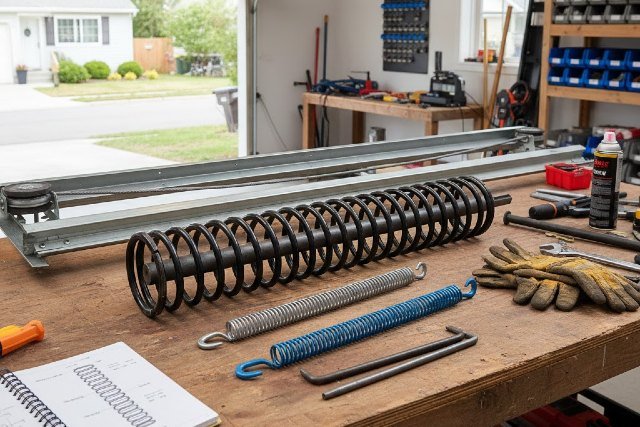
Torsion garage door springs are mounted horizontally above the garage door opening. They work by twisting and storing mechanical energy as the door closes, then unwinding to lift the door smoothly.
These garage door springs are commonly used in modern residential and commercial setups because they provide controlled motion and longer lifespan. On average, torsion springs last between 15,000 to 20,000 cycles, which translates to 7–12 years for most households.
Due to their durability and balanced operation, torsion garage door springs are often recommended by professionals for heavier or wider garage doors.
Extension Garage Door Springs
Extension garage door springs are typically installed on either side of the door and stretch as the door closes. When the door opens, they contract and assist in lifting the weight.
While extension springs are more affordable upfront, they generally have a shorter lifespan and less controlled movement compared to torsion garage door springs. Older garage systems frequently use this design, especially in single-car garages.
Safety cables are essential with extension springs, as a broken spring can become a dangerous projectile without them.
Garage Door Springs vs. Garage Door Openers
Many homeowners mistakenly believe the garage door opener does all the lifting. In reality, garage door springs do most of the work, while the opener simply guides the motion.
A study by the Door & Access Systems Manufacturers Association (DASMA) emphasizes that improperly balanced garage door springs can reduce opener lifespan by up to 50%. This makes spring maintenance just as important as servicing the opener itself.
Common Signs of Failing Garage Door Springs
One of the most common indicators of worn garage door springs is difficulty opening the door manually. If the door feels unusually heavy or slams shut, the springs may be losing tension.
Another warning sign is a loud bang from the garage, often mistaken for something falling. This sound usually indicates a spring snapping under tension. Visible gaps in torsion springs or stretched-out extension springs are also clear signs of failure.
Ignoring these symptoms can lead to further damage and increased repair costs.
How Long Do Garage Door Springs Last?
The lifespan of garage door springs is measured in cycles, with one cycle equaling a single open and close. Standard springs are rated for about 10,000 cycles, while high-cycle garage door springs can reach 30,000 or more.
For an average household using the garage door four times daily, standard springs last roughly seven years. Homes that use the garage as a primary entrance may require more frequent replacements.
Upgrading to high-cycle garage door springs is often a smart long-term investment.
Garage Door Spring Maintenance Best Practices
Regular maintenance plays a major role in extending the life of garage door springs. Lubricating the springs with a silicone-based or lithium lubricant reduces friction and prevents rust buildup.
Experts at Family Handyman recommend lubricating garage door springs every six months to improve performance and reduce stress on the system. Visual inspections should also be done periodically to catch early signs of wear.
Professional tune-ups once a year can further ensure your garage door springs remain balanced and safe.
Safety Risks Associated with Garage Door Springs
Garage door springs are under extreme tension, making DIY repairs highly dangerous. The National Electronic Injury Surveillance System reports that spring-related garage door injuries often involve severe hand, arm, or facial trauma.
Attempting to adjust or replace garage door springs without proper tools and training can lead to serious injury. For this reason, most manufacturers and safety organizations strongly advise hiring a licensed professional.
Safety should always outweigh cost savings when dealing with high-tension components.
Choosing the Right Garage Door Springs for Your Home
Selecting the correct garage door springs depends on factors such as door weight, size, and usage frequency. A steel double-car garage door typically requires stronger torsion springs than a lightweight aluminum door.
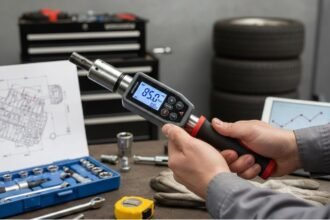
Professional installers use precise measurements and torque calculations to match springs to specific doors. This ensures optimal balance, smooth operation, and long-term reliability.
Using mismatched garage door springs can cause uneven wear and premature failure.
Cost of Replacing Garage Door Springs
The cost of garage door spring replacement varies depending on type and region. On average, homeowners can expect to pay between $150 and $350 for professional replacement.
Torsion garage door springs tend to cost more than extension springs, but their longer lifespan often offsets the initial expense. According to HomeAdvisor, investing in quality springs can reduce long-term repair costs by up to 40%.
Real-World Scenario: A Preventable Breakdown
Consider a homeowner who uses their garage door as the main entrance. Over time, the garage door springs weaken, but the signs are ignored. Eventually, a spring snaps, damaging the opener and trapping a vehicle inside.
A simple annual inspection and lubrication could have prevented this costly inconvenience. This scenario is common and highlights the importance of proactive care.
FAQs About Garage Door Springs
What happens if one garage door spring breaks?
When one spring breaks, the door becomes unbalanced and unsafe to operate. Continuing to use it can damage the opener and door panels.
Can I open my garage door with a broken spring?
It is possible but extremely dangerous. The door will be very heavy, increasing the risk of injury.
Are torsion garage door springs better than extension springs?
In most cases, yes. Torsion springs offer smoother operation, better safety, and longer lifespan.
Conclusion: Why Garage Door Springs Deserve Attention
Garage door springs are the backbone of your garage door system, quietly handling immense weight and tension every day. Understanding the types of garage door springs, recognizing warning signs, and following proper maintenance practices can significantly improve safety and performance.
By investing in the right springs and professional care, homeowners can avoid sudden failures, extend equipment lifespan, and ensure smooth, reliable operation for years to come. When it comes to garage door springs, informed decisions truly make all the difference.