

Wingate House is a name that frequently appears in property searches, urban guides, and institutional directories across the UK. Most commonly associated with central London, Wingate House is known as a functional, well-positioned building that has served commercial, administrative, and professional purposes over the years. This guide explores Wingate House in depth, covering its location, historical context, architectural role, and modern-day purpose, while answering the most common questions people search for online.
- What Is Wingate House?
- Wingate House Location and Accessibility
- The History of Wingate House
- Architectural Design and Structure of Wingate House
- The Purpose of Wingate House Today
- Wingate House and the Surrounding Area
- Common Questions About Wingate House
- Wingate House in Real-World Use: A Practical Scenario
- Conclusion: Why Wingate House Still Matters
Whether you are researching Wingate House for business, academic, or relocation reasons, this article provides a clear, SEO-optimized, and user-focused overview grounded in credible sources and real-world context.
What Is Wingate House?
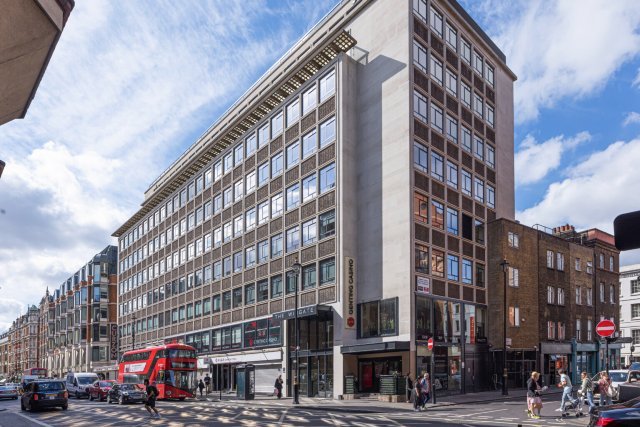
Wingate House typically refers to a multi-storey institutional or commercial building, most notably located in Holborn, Central London. Buildings with this name are usually designed to support professional services such as offices, educational departments, healthcare administration, or nonprofit organizations.
In London, Wingate House is recognized for its practical design, strategic location, and long-term functional use, rather than for ornamental architecture. This makes it a strong example of mid-to-late 20th-century urban development focused on efficiency and accessibility.
The name “Wingate” itself is often linked to benefactors or historical figures, a common practice in UK building nomenclature, particularly in academic and civic developments.
Wingate House Location and Accessibility
Where Is Wingate House Located?
The most referenced Wingate House is located in Holborn, London WC1, an area known for its proximity to legal institutions, universities, and healthcare facilities. Holborn sits between the West End and the City of London, making it one of the most connected districts in the capital.
This central positioning significantly increases the building’s value and usability for organizations that rely on easy public access.
Transport Links Near Wingate House
Wingate House benefits from excellent transport connectivity. Holborn Underground Station, served by the Central and Piccadilly lines, is within walking distance. Several major bus routes also pass through the area, linking the building to King’s Cross, Oxford Circus, and the South Bank.
According to Transport for London, Holborn consistently ranks among the top zones for commuter accessibility, which explains why buildings like Wingate House remain in high demand for professional use.
The History of Wingate House
Origins and Development
While exact construction dates can vary depending on the specific Wingate House location, the London Wingate House is generally associated with post-war urban redevelopment. During the mid-20th century, London saw a surge in functional office buildings designed to replace structures damaged or outdated after World War II.
Wingate House emerged during this period as a purpose-built facility, prioritizing durability, internal space optimization, and long-term institutional use.
Historical Significance
Wingate House is not typically classified as a listed heritage building, but its historical value lies in its representation of modernist planning principles. These principles emphasized utility over decoration, aligning with the needs of expanding public services, universities, and healthcare systems.
For broader historical context, resources such as Historic England and the London Metropolitan Archives provide insight into similar developments across Holborn and Bloomsbury.
Architectural Design and Structure of Wingate House
Architectural Style
The architectural style of Wingate House can best be described as functional modernism. The exterior often features clean lines, uniform windows, and minimal decorative elements. This design reflects a clear intention to maximize internal usability rather than visual grandeur.
Such buildings were designed to age well structurally, even if their aesthetics remain understated.
Interior Layout and Facilities
Inside, Wingate House typically includes flexible floor plans that can be adapted for offices, classrooms, or administrative departments. Ceiling heights, natural light access, and straightforward corridor layouts make it suitable for long-term occupancy.
This adaptability is one reason Wingate House has continued to serve evolving organizational needs without requiring major structural changes.
The Purpose of Wingate House Today
Current Use and Function
Today, Wingate House is primarily used for commercial and institutional purposes. Tenants often include professional service firms, educational bodies, healthcare administrators, or nonprofit organizations.
Its continued use reflects a broader trend in London property management, where well-located functional buildings are refurbished internally rather than replaced entirely. According to the UK Green Building Council, adaptive reuse like this reduces construction emissions by up to 50 percent compared to demolition and rebuild projects.
Why Organizations Choose Wingate House
Organizations are drawn to Wingate House for practical reasons. The central location supports collaboration, the building layout allows operational flexibility, and the surrounding area offers access to amenities, dining, and academic institutions.
In many cases, Wingate House serves as a cost-effective alternative to premium office towers while still maintaining a prestigious address.
Wingate House and the Surrounding Area
Local Amenities and Environment
The area around Wingate House is rich in services. Cafés, libraries, legal chambers, and medical institutions are all within walking distance. Bloomsbury, known for its academic heritage and garden squares, adds cultural value to the location.
This environment supports both employees and visitors, enhancing daily usability and long-term tenant satisfaction.
Economic and Professional Significance
Holborn is home to thousands of businesses and institutions. Data from the Office for National Statistics shows that central London boroughs consistently generate the highest business density in the UK. Wingate House benefits directly from this economic ecosystem.
Common Questions About Wingate House
Is Wingate House a residential building?
In most cases, Wingate House is not residential. It is primarily designed for offices and institutional use, although specific buildings with the same name in other cities may differ.
Is Wingate House open to the public?
Public access depends on the tenant organizations. Some offices welcome visitors during business hours, while others restrict entry for security and operational reasons.
Why are there multiple buildings called Wingate House?
The name Wingate House has been used in different cities, often honoring donors, leaders, or historical figures. This practice is common in UK institutional naming conventions.
Wingate House in Real-World Use: A Practical Scenario
Consider a mid-sized professional consultancy relocating to central London. Premium office towers exceed budget, while older buildings lack infrastructure. Wingate House offers a balanced solution with strong transport links, adaptable interiors, and a credible business address.
This type of scenario explains why buildings like Wingate House continue to attract long-term tenants despite changing property trends.
Conclusion: Why Wingate House Still Matters
Wingate House remains a relevant and valuable part of London’s built environment due to its strategic location, adaptable design, and practical purpose. While it may not be a landmark in the traditional sense, its role in supporting professional, educational, and institutional activity is significant.
For organizations seeking functionality, accessibility, and long-term value, Wingate House continues to be a dependable choice. Its history reflects broader urban development trends, and its present use highlights the importance of well-designed, adaptable buildings in modern cities.
If you are evaluating properties, researching urban infrastructure, or optimizing local SEO content, Wingate House is a name worth understanding in full.